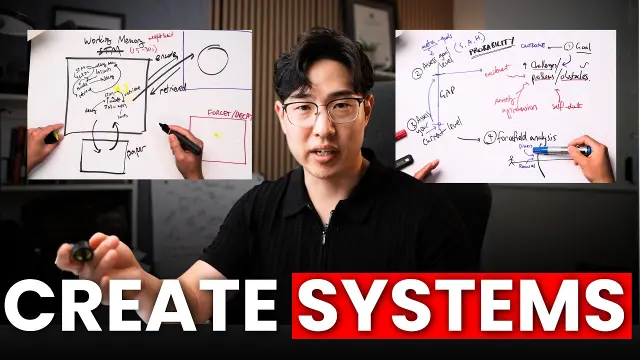
 A Simple Four-Part System for Consistent Productivity
#Systems
2 ideas
A Simple Four-Part System for Consistent Productivity
 Five Systems That Transform Productivity and Happiness
Get new #Systems ideas by email
Every Thursday: the week's best ideas, with the newest from #Systems.
Related tags
Systems: Building Reliable Ways to Get Things Done
What a system is
A system is a set of connected parts that work together to produce a result. In everyday life, a system is any repeatable way of doing something: managing your home, planning meals, keeping track of tasks, saving time, or staying organized. Instead of relying on memory or motivation alone, a system gives you a structure you can return to again and again.
Systems show up everywhere. A morning routine is a system. A filing method is a system. So is the way you plan your week, handle laundry, or save recipes you want to make later. Good systems reduce confusion, make choices easier, and help you stay consistent.
Why systems matter
Read more
A useful system turns a repeated problem into a simpler process. Rather than asking yourself the same questions every day, you make the decision once and use the same method each time. That can save energy and make your days feel more manageable.
Systems are especially helpful when life feels busy or unpredictable. They can bring order without making everything rigid. The best systems are not complicated; they are clear, realistic, and easy to maintain.
Common kinds of systems
There are many kinds of systems, and you may use several at once:
- Personal systems: routines for mornings, evenings, planning, or self-care
- Home systems: cleaning schedules, storage methods, laundry routines, and meal planning
- Work systems: task lists, calendars, project steps, and inbox organization
- Creative systems: ways to save ideas, gather inspiration, or finish projects
- Family systems: shared routines, chore charts, and communication habits
Some systems are very simple and informal. Others are more structured. What matters most is that the system fits the task and the people using it.
How to build a good system
Start by noticing a problem that keeps repeating. Maybe you forget appointments, waste time looking for things, or feel overwhelmed by chores. A system begins with one clear goal: make that task easier.
A practical system usually has three parts:
- A trigger: what starts the process
- A sequence: the steps you follow
- A result: what “done” looks like
Keep the steps small and easy to repeat. If a system is too detailed, it becomes hard to use. If it is too vague, it will not help much. The best systems are simple enough to remember and flexible enough to adjust.
Tips for beginners
If you are new to building systems, begin with just one area of life. Choose something small, like your bag, your kitchen counter, or your weekly planning.
- Make one change at a time
- Use tools you already have
- Write the steps down clearly
- Test the system for a while before changing it
- Keep only what actually helps
A system should support you, not control you. If it becomes stressful, simplify it. The right system is the one you can use consistently.
A lasting mindset
Systems are most useful when they reflect how you really live, not how you think you should live. They are meant to create calm, reduce friction, and make everyday tasks feel more natural. Over time, well-chosen systems can help you stay organized, protect your energy, and make room for what matters most.
Videos come from YouTube and posts from Instagram; titles and summaries are our own. All rights belong to their creators.