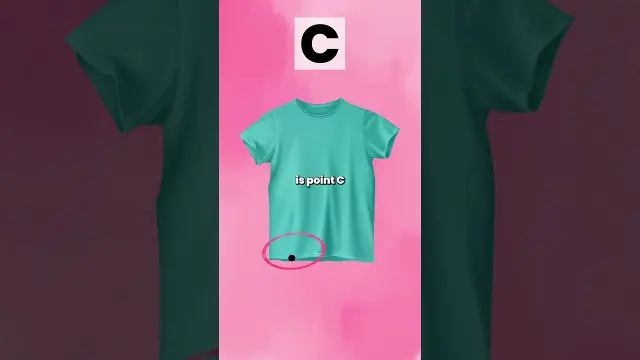
 The ABC Method for Folding T-Shirts Neatly
#T-Shirt Folding
1 ideas
The ABC Method for Folding T-Shirts Neatly
Get new #T-Shirt Folding ideas by email
Every Thursday: the week's best ideas, with the newest from #T-Shirt Folding.
Related tags
How to Fold T-Shirts Neatly: A Simple Evergreen Guide
A folded t-shirt is a small piece of order. It takes a few seconds, costs nothing, and yet it decides whether a drawer stays usable for weeks or collapses into a heap by Thursday. Folding is not really about neatness for its own sake: it protects the fabric, makes clothes easy to find, and helps a shirt keep its shape between wearings.
Why folding matters
Cotton jersey is forgiving but not indestructible. Hanging a heavy or tightly knit t-shirt on a thin hanger can stretch the shoulders over time, which is why many people fold their casual shirts and reserve hangers for structured garments. Folding also compresses air out of the fabric, so more clothes fit into less space without being crushed. And a shirt you can see at a glance is a shirt you actually wear.
The basic fold
Read more
Almost every method rests on the same three moves: lay the shirt flat, bring the sleeves in, then fold the body into a rectangle. Start with the shirt face down and smooth out the wrinkles with your palms before you fold anything — a crease pressed in now will still be there later. Fold each sleeve back so it lies along the side of the body rather than crossing the chest. Then fold the shirt in thirds, or in half twice, depending on the depth of your shelf or drawer.
Common methods
- Flat fold: the classic retail shape, folded into a neat rectangle that stacks well on shelves.
- Vertical filing: the shirt is folded into a narrow packet and stood upright in the drawer, so you see the edge of each one instead of a stack of tops.
- Rolling: tight cylinders that resist creasing and pack efficiently into a bag.
- The quick "pinch" technique: a few practised movements that fold a shirt in seconds, popular for people who fold a lot of laundry at once.
What beginners should know
Consistency matters more than technique. Pick one method and use it for every shirt in a category, so the drawer stays level. Fold on a flat, firm surface — a bed or table — not in mid-air. Keep folded edges facing the same way, either toward you or toward the back of the drawer, whichever makes the print or collar visible. Shirts that are slightly damp should be hung or laid flat to finish drying rather than folded and put away.
Practical tips
Fold knitwear and heavier fabrics more loosely to avoid permanent creases along the fold lines. For travel, roll soft shirts and fold stiffer ones, placing folded pieces at the bottom of the case where they take the most pressure. Thin shirts benefit from a slightly narrower fold so they do not slide. And if a drawer keeps overflowing, the answer is usually fewer shirts, not better folding.
Once the habit settles in, folding stops being a chore and becomes the quiet two minutes at the end of laundry day that makes the rest of the week easier.
#T-Shirt Folding: frequently asked questions
What do I need to start folding t-shirts properly?
You really only need a flat, firm surface such as a table or a bed, plus a little space to lay the shirt out. Before folding, turn the shirt face down and smooth the wrinkles out with your palms, since any crease pressed in early will still be there later. No special boards or tools are required — the habit matters far more than the equipment.
Which t-shirt folding method should I choose?
It depends on where the shirt is going: a flat fold stacks neatly on shelves, vertical filing lets you see every shirt's edge in a drawer, and rolling keeps shirts compact for a bag. The quick pinch technique is worth learning if you fold large loads at once. Pick the one that suits your storage and use it consistently, because a drawer stays level only when every shirt in it is folded the same way.
How do I stop folded t-shirts from creasing?
Fold knitwear and heavier fabrics more loosely so the fabric isn't pressed hard along the fold lines, and avoid stacking too much weight on top. Never put a slightly damp shirt away folded — let it finish drying hung up or laid flat first, or the damp fold will set into a permanent crease.
How should I fold t-shirts for travel?
Roll soft, thin shirts into cylinders since they resist creasing and fit into gaps, and fold stiffer or structured pieces flat. Place the folded ones at the bottom of the case where they take the most pressure, and keep rolls on top. Slightly narrower folds help thin shirts stay put instead of sliding around.
Do people usually fold t-shirts or hang them?
Most casual tees do better folded, because hanging a heavy or tightly knit shirt on a thin hanger can gradually stretch the shoulders. Hangers are better saved for structured garments that need to hold their shape. Folding also presses air out of the fabric, so more shirts fit into the same space without being crushed.
What is the most common mistake when folding t-shirts?
Folding in mid-air instead of on a flat surface, which makes the result lopsided and hard to stack. Another common slip is mixing methods within one drawer, so the pile never sits level and shirts slide apart. And if a drawer keeps overflowing, the real fix is usually fewer shirts rather than a cleverer fold.
Videos come from YouTube and posts from Instagram; titles and summaries are our own. All rights belong to their creators.