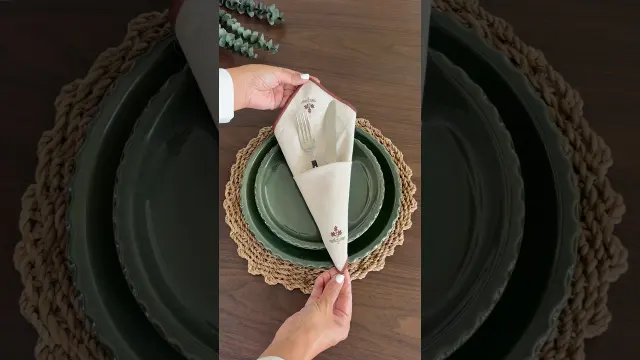
 Easy Bouquet Napkin Folding Tutorial for Table Settings
#Table Setting Ideas
1 ideas
Easy Bouquet Napkin Folding Tutorial for Table Settings
Get new #Table Setting Ideas ideas by email
Every Thursday: the week's best ideas, with the newest from #Table Setting Ideas.
Related tags
Table Setting Ideas for Every Occasion
Table setting is the art of arranging a dining table so it feels both practical and inviting. It can be as simple as a clean plate, cutlery, and a glass, or as layered as a formal arrangement with chargers, folded napkins, and multiple courses. At its heart, a good table setting helps people feel comfortable, guides the meal smoothly, and adds a sense of care to the occasion.
The basics of a table setting
A thoughtful table usually begins with the essentials: a plate, cutlery, a glass, and a napkin. The layout depends on the meal, but the aim is always the same: keep things easy to use and balanced to look at. In a simple setting, put the plate in the center of each place, with forks on the left and knives and spoons on the right. The napkin can sit on the plate, beside it, or under the fork for a relaxed feel.
For a more formal table, you may add a charger, extra cutlery for multiple courses, and more than one glass. Even then, clarity matters more than complexity. If guests can sit down and quickly understand where everything belongs, the setting is working well.
Read more
Styles you can try
Table settings can be adapted to the mood of the meal. A casual family dinner may call for soft colors, everyday dishes, and a few natural touches such as a small vase or a bowl of fruit. A festive gathering can feel more polished with layered plates, coordinated linens, and neatly folded napkins. A rustic table often uses wood, simple ceramics, and natural textures, while a classic table relies on symmetry, white dishes, and clean lines.
You do not need a large collection of special items to create a beautiful table. Mixing what you already have can be effective if you keep one or two elements consistent, such as color, material, or shape.
Practical ideas for beginners
If you are new to table styling, start with three things: a color palette, a centerpiece, and the place setting itself. Choose one main color and one or two supporting tones so the table feels unified. Keep the centerpiece low enough that people can see one another across the table. A few flowers, candles, or natural greenery often go a long way.
Here are a few easy tips:
- Use cloth napkins when you want a more finished look.
- Keep the table free of clutter so guests have space to eat comfortably.
- Match the formality of the setting to the meal, not the other way around.
- Fold napkins simply if you want a neat result without much effort.
- Leave enough room between settings for plates, glasses, and elbows.
Making the table feel welcoming
The best table settings are not perfect; they are thoughtful. A table feels welcoming when it reflects the meal, the season, and the people gathered around it. Small details matter: a tidy arrangement, a pleasant texture, and a sense of balance can make even an ordinary meal feel special. If you focus on comfort, usefulness, and a few beautiful details, you can create a table setting that feels natural and timeless.
#Table Setting Ideas: frequently asked questions
How do I start setting a table if I've never done it before?
Begin with the essentials at each place: a plate in the center, forks on the left, knives and spoons on the right, plus a glass and a napkin. From there, pick one main color and a couple of supporting tones so the whole table ties together. Keeping it simple and uncluttered is far better than adding pieces you don't really need.
What do I actually need for a basic table setting?
Everyday dishes, flatware, glasses, and napkins cover almost everything, and you can build from there as the meal calls for it. A low centerpiece — a few flowers, some greenery, or candles — finishes the look without blocking conversation. You don't need a special collection; mixing what you already own works well as long as one element, like color or material, stays consistent.
How do I choose a style that suits the occasion?
Let the mood of the meal guide you rather than forcing a style onto it: a relaxed family dinner suits soft colors and everyday dishes, while a celebration can carry layered plates and coordinated linens. Rustic settings lean on wood, ceramics, and natural textures, and classic ones rely on symmetry and clean white dishes. Matching the formality of the table to the food being served is the surest way to get it right.
How do I care for linens, dishes, and glassware so the table always looks its best?
Cloth napkins and tablecloths look more polished but need a gentle wash and a quick press to stay crisp, so keep a spare set ready for occasions. Store dishes and glasses where they won't knock against each other, and handle stemware by the bowl rather than the rim to avoid smudges. Wiping everything down before guests arrive is a small step that makes a noticeable difference.
What are common mistakes people make when styling a table?
The usual culprits are overcrowding the surface and using a centerpiece tall enough to block the view across the table. Overcomplicating a formal setting is another trap — clarity matters more than the number of pieces on the table. Leaving too little room between place settings also makes eating awkward, so give each guest space for plates, glasses, and elbows.
Any easy ideas for making a table feel special without much effort?
A simple napkin fold, a small bouquet, or a bowl of seasonal fruit can transform an ordinary table with very little work. Keep the centerpiece low, add a bit of texture through linens or natural greenery, and clear away clutter so there's room to eat comfortably. Thoughtfulness rather than perfection is what makes guests feel looked after.
Videos come from YouTube and posts from Instagram; titles and summaries are our own. All rights belong to their creators.