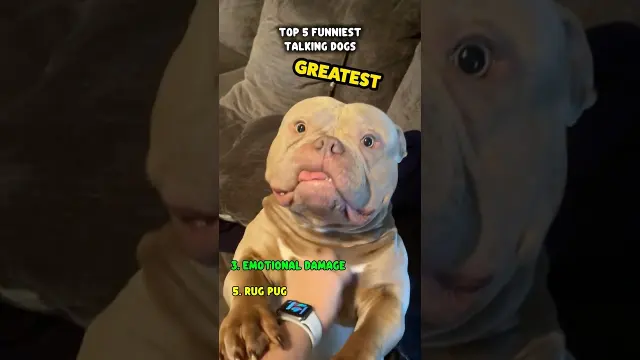
 Ranking the Funniest Talking Dogs and Voiceovers
#Talking Dogs
2 ideas
Ranking the Funniest Talking Dogs and Voiceovers
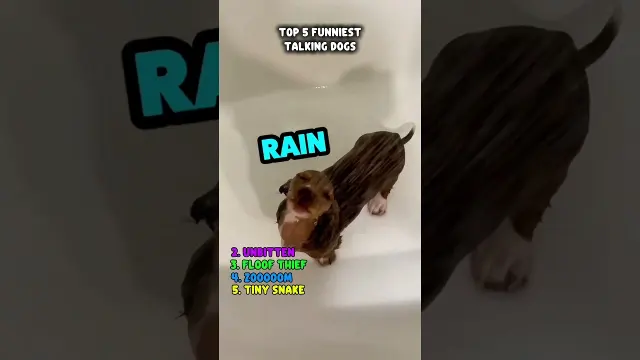 Ranking the Funniest Talking Dogs and Voiceovers
Get new #Talking Dogs ideas by email
Every Thursday: the week's best ideas, with the newest from #Talking Dogs.
Related tags
Talking Dogs in Stories and Entertainment
Talking dogs are a familiar idea in stories, comedy, and animation: dogs that speak like people, think in human language, or communicate in a way the audience can clearly understand. They appear in fairy tales, children’s books, cartoons, films, comics, and stage stories, where they often serve as companions, comic relief, or surprisingly wise guides.
What talking dogs are
In most cases, a talking dog is not meant to be realistic. The idea comes from imagination, where animals are given human voices, thoughts, or personalities. Sometimes the dog speaks directly to the audience, sometimes only to other characters, and sometimes its “voice” is shown through subtitles, narration, or expressive behavior.
This device has deep roots in folklore and storytelling. Human beings have long imagined animals that can speak, because it makes it easier to explore friendship, loyalty, mischief, and common sense in a playful way. Dogs are especially popular because they already feel close to people and are often seen as intelligent, social, and emotionally expressive.
Read more
Common uses in storytelling
Talking dogs can play many roles:
- A loyal sidekick who helps the main character
- A comic character with a dry or silly personality
- A clever guide who understands what humans miss
- A narrator who comments on the action
- A magical creature in fantasy or adventure stories
Because dogs are often associated with devotion and trust, a talking dog can make a story warmer and more emotional. At the same time, the contrast between a dog’s animal nature and human speech creates humor and surprise.
Main styles and forms
Talking dogs appear in several different styles.
- In children’s stories, they are often friendly, simple, and easy to understand.
- In fantasy, they may be magical, enchanted, or part of a world where animals naturally speak.
- In comedy, they often use sarcasm, exaggerated manners, or the blunt honesty people wish dogs could have.
- In adventure stories, they may be brave helpers with special skills.
- In parody, a talking dog can poke fun at human behavior by saying exactly what the audience is thinking.
Some stories give the dog a full human-like personality, while others keep it recognizably canine, with a voice that reflects curiosity, hunger, loyalty, or instinct.
What to notice as a viewer or reader
If you enjoy talking dogs, look at how the story handles the difference between animal and human behavior. The best versions usually keep some dog-like traits: affection, alertness, playfulness, or single-minded enthusiasm. That balance makes the character feel memorable instead of generic.
Also notice whether the dog’s speech is used for humor, emotion, or meaning. A talking dog can be funny, but it can also reveal themes about loyalty, communication, and how people listen to one another.
For beginners
If you want to explore this theme as a writer or artist, start simple. Give the dog a clear voice, one or two strong habits, and a reason for speaking in the story. Think about how the dog would move, react, and see the world. A good talking dog character usually feels like a real dog first, and a speaker second.
That mix of familiarity and imagination is what makes talking dogs so enduring.
#Talking Dogs: frequently asked questions
How do I get started with a talking dog character?
Begin with the dog rather than the dialogue: decide what it notices, wants, and does when nothing is happening, then give it a voice that matches those habits. Add a clear reason the dog speaks in your story, so the talking feels like part of the world instead of a trick. Keep the first version short and simple, and build outward once the character feels alive.
Does a talking dog need a magical explanation?
Not necessarily. Some stories treat animal speech as an ordinary fact of their world, while others use enchantment, technology, or imagination as the reason. What matters is consistency: once you decide how speech works, let the rest of the story follow those rules instead of changing them whenever it is convenient.
Should my talking dog be funny or wise?
Either can work, and the choice should follow the job the character does in the story. A comic dog lifts the mood and can say blunt truths people avoid, while a wiser dog guides the main character and adds warmth. Many memorable versions blend the two, letting humor carry the emotional moments.
How do I keep a talking dog from feeling like a person in a dog costume?
Preserve canine traits in how the character behaves, not just in what it says. Affection, alertness, playfulness, and sudden enthusiasm for small things remind the audience that a dog is speaking. Let its view of the world stay slightly off from human priorities, and the character will read as a dog who talks rather than a human who happens to look like one.
What mistakes should I avoid when writing or drawing one?
The common slip is making the dog a mouthpiece with nothing of its own to want, so it only reacts to the humans around it. Another is switching tone at random, joking in one scene and delivering solemn wisdom in the next without anything connecting them. Give the voice a consistent personality and a stake in the story, and both problems mostly disappear.
Where can I find ideas for talking dog characters to draw, animate, or write?
Look at how existing stories use the device, then borrow the structure rather than the surface. A loyal sidekick, a sarcastic commentator, a narrator watching the action, and a magical companion all pull the story in different directions, so pick the role that fits what you want to make. Ranking and comparing your favorites is a quick way to spot which traits you respond to and want to build on.
Videos come from YouTube and posts from Instagram; titles and summaries are our own. All rights belong to their creators.