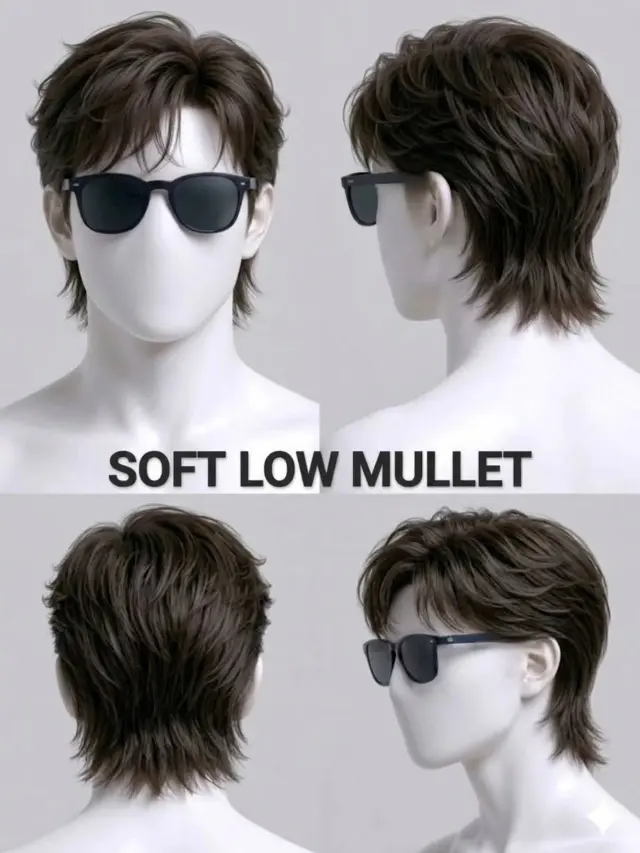
 Modern men's haircut styles with taper fade examples
#Taper Fade
1 ideas
Modern men's haircut styles with taper fade examples
Get new #Taper Fade ideas by email
Every Thursday: the week's best ideas, with the newest from #Taper Fade.
Related tags
Taper Fade Haircuts: A Beginner's Guide to the Style
A taper fade is a men's haircut built around a gradual shortening of the hair at the edges — usually the sideburns, the area around the ears and the neckline. Unlike a full fade, which can carry very short hair high up the sides and back, a taper leaves most of the length on the sides intact and concentrates the gradient at the perimeter. The result is a clean outline that softens into the rest of the cut instead of ending in a hard line.
Both words come from barbering practice. To taper is to narrow something gradually; to fade is to blend two lengths of hair until the transition stops being visible. Put together, they describe a single idea: no steps, no visible borders between long and short.
The main variations
- Low taper fade: the fade stays close to the neck and ears. The most conservative version and the easiest to grow out.
- Mid taper fade: the transition begins a little higher, so the temples and the line around the ear get more definition.
- High taper fade: shorter further up the sides, a sharper silhouette, and the one that shows regrowth soonest.
- Taper with a side part: a tidy, classic pairing that suits straight and wavy hair especially well.
- Taper with a textured or curly top: contrast between a soft, full top and tightened edges.
- Temple fade: only the temples are tapered, often with noticeably longer hair above.
Read more
Choosing one that suits you
Start with your hair type rather than the photograph you liked online. Straight hair blends quickly and forgives a slightly higher fade. Wavy hair holds shape well and can carry a textured top. Curly and coily hair taper beautifully but the blend has to be cut with the curl pattern in mind, so look for a barber who works with your texture regularly.
Ask yourself how often you want to sit in the chair. A low taper can look intentional for several weeks; a high one reads as overgrown sooner. Consider your growth pattern too — a cowlick at the hairline or a double crown changes where the fade should start, and a good barber will point that out before cutting.
Practical advice
Bring more than one picture, and mention what you liked about each. Learn a little of the vocabulary: "taper" versus "fade", "on the sides", "leave the top alone" — it saves a lot of guessing. If you are unsure, ask for less and add later; taking length off is easy, putting it back is not.
At home, keep it simple. Wash and condition regularly, dry the hair instead of letting it sit damp, and use a light product on top if you want texture without weight. If you tidy your own neckline between visits, stay at the very edge — pushing clippers upward into the fade is the fastest way to blur the blend you paid for. Book the next appointment while the shape still looks good, not after it has gone.
#Taper Fade: frequently asked questions
What actually makes a taper fade different from a regular fade?
A taper fade keeps most of the length on the sides and back and only shortens the hair at the perimeter — sideburns, around the ears, and the neckline — so the cut ends in a soft outline rather than a hard line. A full fade carries the short hair much higher up the head. Think of the taper as a gradient at the edges, not a whole-side transformation.
How do I decide between a low, mid, or high taper fade?
Let your hair type and your tolerance for upkeep lead the decision: straight hair blends fast and handles a higher fade, wavy hair carries a textured top well, and curly or coily hair needs someone who cuts with the curl pattern in mind. Then factor in how often you want to visit the barber, since a lower fade reads as intentional for longer while a high one shows regrowth quickly. Your growth pattern matters too — a cowlick or double crown shifts where the fade should begin.
What should I say to the barber at my first taper fade appointment?
Bring a couple of reference photos and explain what you liked in each one, rather than handing over a single image and hoping. Pick up the basic vocabulary — taper versus fade, on the sides, leave the top alone — so the conversation doesn't turn into guesswork. When in doubt, ask for less taken off and add later; removing length is easy, restoring it isn't.
How should I look after a taper fade at home?
Keep the routine light: wash and condition regularly, dry the hair rather than leaving it damp, and use a small amount of product on top if you want texture without weight. If you clean up your own neckline between appointments, stay right at the edge — running clippers upward into the fade is the quickest way to erase the blend. Rebook while the shape still looks good instead of waiting until it has clearly grown out.
What are the common mistakes people make with a taper fade?
The biggest one is choosing a photo over their own hair type, which leads to a blend that fights the natural texture instead of working with it. Another is going too high or too short too soon, which leaves little room to adjust and looks overgrown fast. Finally, over-tidying at home blurs the transition the barber built, so leave the fade itself alone.
Videos come from YouTube and posts from Instagram; titles and summaries are our own. All rights belong to their creators.