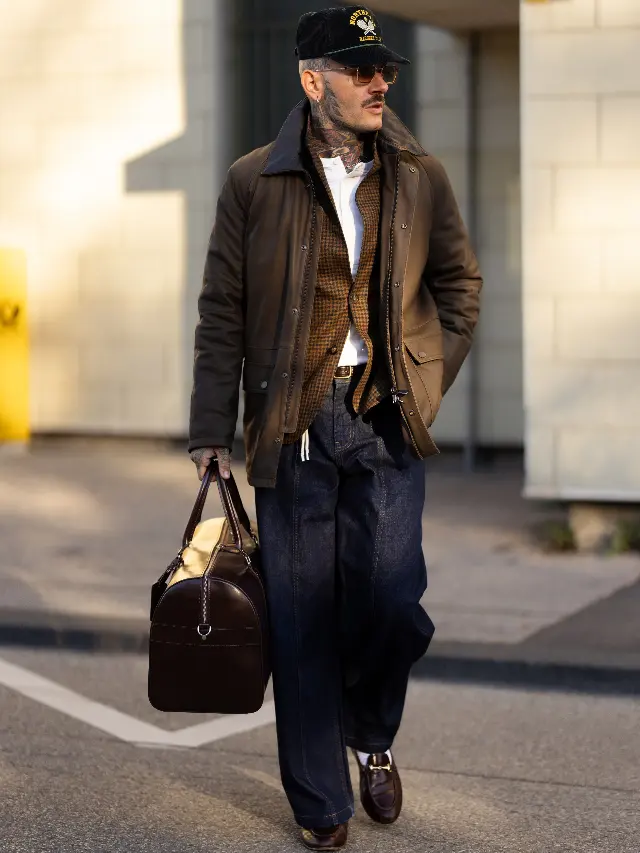
 Menswear Look Built Around Character and Tattoos
#Tattoos
2 ideas
Menswear Look Built Around Character and Tattoos
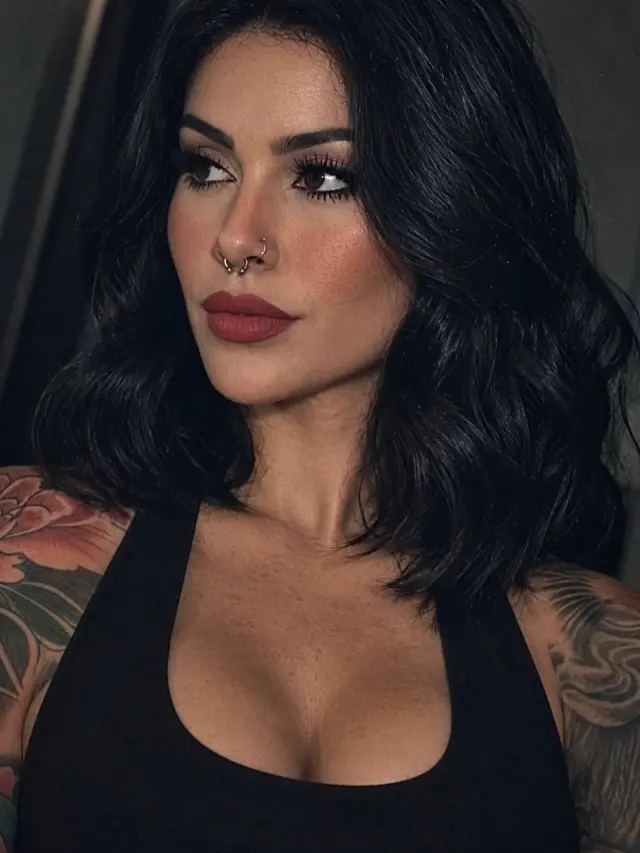 Makeup Portrait Shot With a Glossy, Shiny Finish
Get new #Tattoos ideas by email
Every Thursday: the week's best ideas, with the newest from #Tattoos.
Related tags
Tattoos: A Guide to Styles, History and Getting Your First One
A tattoo is a permanent mark made by placing pigment into the deeper layer of the skin. Because those cells stay put, the drawing stays too, gradually softening over the years as skin ages and the ink settles. It is one of the oldest forms of human decoration we know of: cultures across the world have marked skin to signal belonging, mourning, protection, status or simply beauty, using methods as different as hand-tapping, cutting and, later, the electric machine. What looks today like a purely personal choice has a long history behind it, and many of the motifs people choose still echo traditions that go back centuries.
The main styles
Old school, or traditional, means bold black outlines, a limited palette of strong colours and imagery that has been repeated for generations: anchors, swallows, roses, daggers, hearts. It is designed to age well. Japanese tattooing is a whole visual language of its own, with dragons, koi, waves and flowers arranged to flow with the body. Blackwork and tribal styles rely on dense black shapes and pattern rather than shading. Fine line work uses delicate, thin outlines, while realism and portrait work aim at photographic shading. Watercolour-inspired tattoos imitate washes of paint, and lettering covers everything from a single word to a full script. Many artists mix these freely, which is why a good tattoo is less about picking a category than about finding someone whose work you genuinely like.
Before you book
Read more
Permanence is the first thing to sit with. A design that moves you now will still be there in twenty years, so give yourself time rather than deciding on impulse. Think about placement as well as image: skin that stretches, folds or sees a lot of sun behaves differently from a flat, covered area, and some places are considerably more sensitive than others.
Choose a studio on hygiene and skill, not on price. A reputable studio will be clean, use fresh needles and single-use supplies, and be willing to answer questions about sterilisation. Look at a portfolio of healed work, not only photographs taken on the day. Ask about the artist's approach to sizing and placement, and say honestly if you are nervous; a good artist will work with that. Eat and sleep beforehand, avoid alcohol, and mention any skin conditions or allergies so they can advise you.
Afterwards
Follow the aftercare your artist gives you, keep the area clean, and resist scratching or picking as it heals. Once healed, the single most useful habit is sun protection: ultraviolet light fades ink faster than anything else. Moisten dry skin regularly, and expect some natural softening over the years.
Finally, remember that a tattoo is a collaboration. Bring references, listen to the artist's suggestions about what will hold up on skin, and let the design become something neither of you would have made alone.
#Tattoos: frequently asked questions
How do I get started if I've never had a tattoo before?
Start by sitting with the idea for a while rather than acting on impulse, since whatever you choose will still be with you decades from now. Think about both the image and where it will sit on your body, because skin that folds, stretches or catches a lot of sun ages differently from a flat, covered area. Then look at artists' portfolios until you find work you genuinely like, rather than deciding the design first and finding someone to execute it.
How do I choose a tattoo artist or studio?
Judge a studio on cleanliness and skill rather than on price, and don't hesitate to ask how they handle sterilisation and fresh supplies. Ask to see healed work as well as photos taken on the day, since a design photographed while still fresh looks very different once the skin has settled. A good artist will also talk you through sizing and placement and adjust the idea so it holds up on skin.
Which tattoo style should I pick?
The styles differ a lot in how they age: bold outlines and strong blocks of colour tend to stay readable, while very delicate line work and soft painted effects can blur and soften sooner. It helps to look at what each tradition is actually built for, from the bold traditional imagery to Japanese arrangements that flow with the body. In the end, most people are better off choosing an artist whose work they love than committing to a category label.
How should I look after a new tattoo?
Follow the aftercare instructions your artist gives you, keep the area clean, and avoid scratching or picking at it while it heals. Once it has healed, protecting it from the sun is the single most useful habit, because ultraviolet light fades ink faster than anything else. Keeping the skin moisturised also helps it stay in good condition over the years.
What are the most common mistakes people make with tattoos?
Deciding too quickly is the big one, along with choosing a studio because it is cheap rather than because it is clean and skilled. Another frequent regret is bringing a design but not listening to the artist about what will actually work on skin, or ignoring aftercare once the session is over. Going in rested, sober and honest about any nerves or skin sensitivities makes the whole experience easier on both sides.
Videos come from YouTube and posts from Instagram; titles and summaries are our own. All rights belong to their creators.