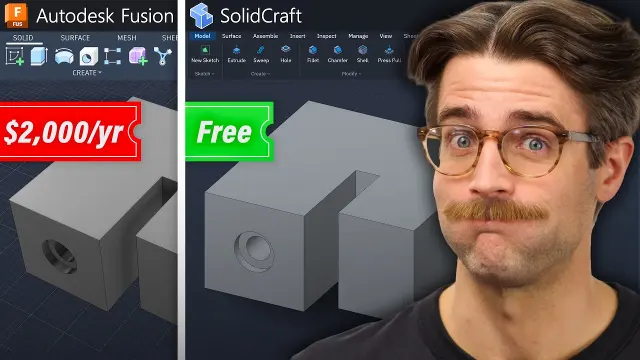
 Trying Out AI Cloned Engineering Software Tools
#Tech Tools
1 ideas
Trying Out AI Cloned Engineering Software Tools
Get new #Tech Tools ideas by email
Every Thursday: the week's best ideas, with the newest from #Tech Tools.
Related tags
Tech Tools for Everyday Work and Creativity
Tech tools are the digital and electronic tools people use to plan, communicate, create, and solve everyday tasks. They range from simple apps for notes and calendars to more specialised software for design, collaboration, coding, editing, and automation. In a broader sense, tech tools also include devices and systems that help you work more efficiently, whether you are managing a household, running a project, or building something creative.
What tech tools are used for
The main purpose of tech tools is to make tasks easier, faster, or more organised. Some help you capture ideas, some keep your schedule in order, and others support creative work such as writing, photo editing, video production, or digital design. In professional settings, they can also help teams share files, track progress, and communicate clearly.
Many tech tools are built for specific needs, while others are general-purpose and flexible. A note-taking app, for example, can become a planning space, a recipe archive, or a project notebook depending on how you use it.
Read more
Common kinds of tech tools
There are several broad categories:
- Productivity tools: calendars, task lists, note apps, and file organisers
- Communication tools: email platforms, messaging apps, and video meeting software
- Creative tools: writing apps, image editors, layout tools, and audio or video editors
- Collaboration tools: shared documents, project boards, and cloud storage
- Automation tools: services that connect apps and reduce repetitive work
- Learning tools: language apps, study platforms, and reference tools
You do not need every type. The best setup is usually a small group of tools that work well together and match your habits.
Styles and approaches
Some people prefer all-in-one platforms that combine several functions in one place. Others like simple single-purpose tools that do one job well. Neither approach is better for everyone. The right choice depends on how you think and work.
If you are just starting out, it helps to begin with the basics:
- choose one place for your notes
- choose one calendar
- choose one system for tasks
- keep your files stored in an easy-to-find location
- learn the essential features before adding more tools
This keeps your setup manageable and reduces confusion.
Practical tips for beginners
A useful tech tool should feel clear, not complicated. Look for a clean layout, reliable syncing, and features you will actually use. Before committing to a new app or device, ask yourself whether it solves a real problem in your routine.
A few simple habits make tech tools work better:
- keep your file names consistent
- back up important documents
- update apps and devices regularly
- remove tools you no longer use
- start small and build only when needed
It also helps to think about privacy and security. Use strong passwords, turn on extra account protection when available, and be cautious about sharing personal information across too many services.
Choosing the right tools
The best tech tools are not always the most complex ones. Often, the most valuable tools are the ones you return to every day because they are easy to trust and easy to use. If a tool saves time, reduces stress, or helps you stay organised, it is doing its job well.
For beginners and experienced users alike, the goal is the same: build a simple, dependable toolkit that supports your work, your ideas, and your daily life.
Videos come from YouTube and posts from Instagram; titles and summaries are our own. All rights belong to their creators.