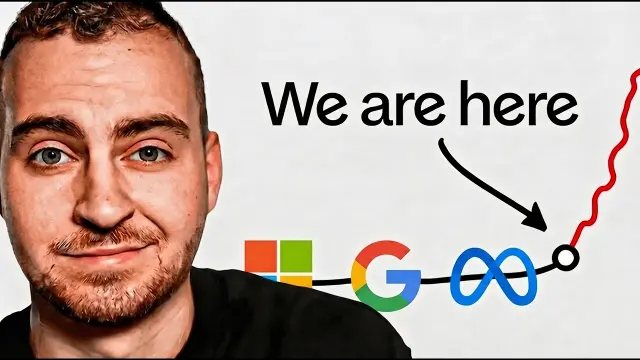
 The Current State of Software Engineering and AI Tools
#Tech Trends
2 ideas
The Current State of Software Engineering and AI Tools
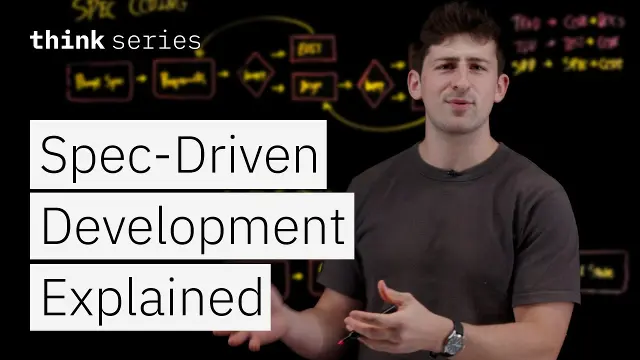 Spec-Driven Development and AI Assisted Coding Explained
Get new #Tech Trends ideas by email
Every Thursday: the week's best ideas, with the newest from #Tech Trends.
Related tags
Understanding Tech Trends
Tech trends are the new directions that technology takes as people, businesses, and societies start using tools in different ways. They can appear in software, devices, online services, communication, design, and even the way teams work. Some trends begin with a new invention, while others grow more slowly as existing tools become easier, cheaper, or more useful. In simple terms, a tech trend is a pattern of change that shows where digital life may be heading.
Most trends come from a mix of invention, practical need, and wider adoption. A new idea may start with researchers or engineers, then spread as companies build products around it and users find real value in it. Some trends are driven by convenience, such as faster ways to search, create, or collaborate. Others grow because people want more security, more privacy, better automation, or simpler access across devices. Not every trend lasts, but the ones that do usually solve a real problem.
There are many kinds of tech trends. Some are focused on software, such as new ways to build applications, manage data, or automate repetitive tasks. Others are about consumer technology, including phones, wearables, smart home devices, and digital entertainment. There are also trends in business technology, like cloud services, remote collaboration, cybersecurity, and data analysis. More broadly, trends can affect how interfaces are designed, how people interact with devices, and how much control users have over their own information.
If you are new to following tech trends, it helps to look beyond the hype. Ask a few simple questions: What problem does this solve? Who benefits from it? Is it genuinely useful, or just novel? Is it likely to fit into everyday life, or is it only practical in limited situations? These questions can help you separate meaningful developments from short-lived excitement.
Read more
A practical way to understand trends is to watch how they move from expert circles into ordinary use. Early on, a trend may sound abstract or overly technical. Later, it may show up in everyday tools without much attention. That gradual shift often tells you more than the headline itself. You do not need to follow every new idea; it is usually better to focus on the areas that matter to you, whether that is work, creativity, home life, or personal organization.
- Keep an eye on recurring themes, not just single announcements.
- Look for changes that improve usefulness, not only speed or novelty.
- Learn basic digital vocabulary so new ideas are easier to understand.
- Compare several sources before deciding whether a trend matters.
- Be cautious with tools that ask for too much data or promise too much.
In the end, tech trends are useful because they show how technology is changing the way we live and work. You do not have to chase every new development to stay informed. A steady, curious approach is usually the best one.
#Tech Trends: frequently asked questions
How do I start following tech trends without getting overwhelmed?
Begin with the areas that already touch your daily life, such as how you work, create, or organize things at home, and follow developments there instead of trying to track everything at once. Watch for themes that keep coming back rather than single announcements, since a pattern that repeats is usually more meaningful than one loud headline. Give yourself permission to ignore the rest.
What do I actually need in order to keep up with new technology?
You mainly need curiosity and a bit of basic digital vocabulary, so that unfamiliar terms do not stop you from understanding an idea. Beyond that, reading across several sources helps you see whether different people describe the same development in the same way. No special equipment or technical background is required to follow the general direction of things.
How can I tell a real tech trend from passing hype?
Ask what problem the idea solves, who benefits from it, and whether it fits into ordinary life or only works in narrow situations. A useful sign is the shift from expert circles into everyday tools, where something stops sounding abstract and quietly becomes normal. If a development is mostly promising more than it delivers, or asks for a lot of your data, it is worth waiting before you invest time in it.
Which kind of tech trend should I focus on first?
Pick the one that matches what you already care about, whether that is software for building things, consumer devices, or tools for business and collaboration. Trends feel much easier to understand when you can see the practical effect in your own routine. There is no single right place to start, and you can widen your focus later.
What mistakes do people commonly make when they follow tech trends?
The most common one is chasing every new announcement and mistaking novelty for usefulness. Another is trusting a single source or a dramatic claim without comparing it to how other people describe the same thing. It also helps to stay cautious with any tool that requests excessive personal information or makes oversized promises.
Videos come from YouTube and posts from Instagram; titles and summaries are our own. All rights belong to their creators.