 Quiet Corners of Kyoto: Temples, Torii Gates and Old Streets
#Temples
6 ideas
Quiet Corners of Kyoto: Temples, Torii Gates and Old Streets
 South India Budget Itinerary: Madurai to Kanyakumari
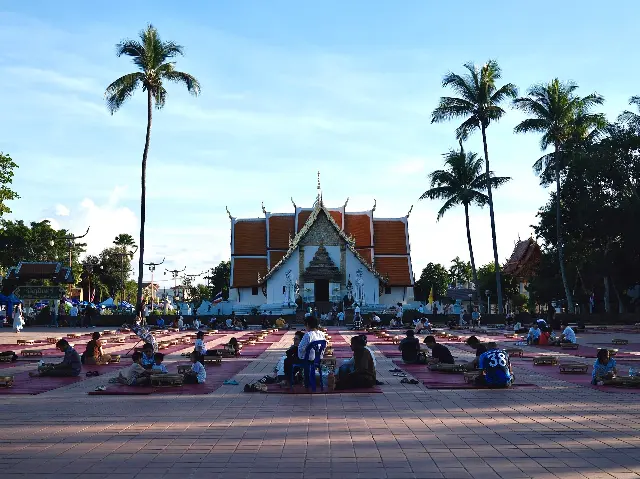 Wat Phumin and Lanna temple architecture in northern Thailand
 Six days in Siem Reap with temples, markets and day trips
 First-time guide to Siem Reap and Angkor Wat
 Exploring the Iconic Ta Prohm Temple in Siem Reap
Get new #Temples ideas by email
Every Thursday: the week's best ideas, with the newest from #Temples.
Related tags
Temples: history, meaning and architecture
Temples are places of worship built for prayer, offerings, meditation, and ritual. They appear in many cultures around the world, and while their forms differ, they often serve the same purpose: to create a sacred space set apart from ordinary life. Some temples are large and ornate, others are simple and quiet, but all are designed to support devotion, reflection, and community practice.
What a temple is
The word temple can refer to a wide range of religious buildings. In some traditions, a temple houses a deity or sacred image; in others, it is a space for gathering, teaching, or contemplation. Temples are found in religions such as Hinduism, Buddhism, Jainism, and in some historical or local spiritual traditions. Their meaning and use depend on the faith they belong to, but they are usually treated with respect and care.
Temples often mark the transition from the everyday world into a more sacred one. Architecture, decoration, sound, light, and ritual movement all help shape that feeling. A visitor may notice courtyards, towers, altars, statues, carvings, incense, bells, or quiet places for sitting.
Read more
Common styles and forms
Temple architecture varies widely by region and tradition. Some of the best-known forms include:
- Hindu temples, which often feature a central shrine, a tall tower or spire, and carved walls or gateways
- Buddhist temples, which may include stupas, prayer halls, statues, and gardens
- Jain temples, often known for detailed stone carving and a calm, restrained atmosphere
- East Asian temple complexes, which may combine halls, gates, courtyards, lanterns, and tiled roofs
Many temples use symmetry, repeating patterns, and symbolic detail. These elements are not only decorative; they often express religious ideas such as harmony, cosmic order, or the journey toward enlightenment. Natural materials like stone, wood, brick, and clay are common, though the exact construction depends on climate, local craft, and available resources.
What temples are used for
Temples are used for worship, festivals, offerings, chanting, meditation, and religious teaching. Some are active centers of daily community life, while others are more ceremonial or historic. In many places, temple grounds also serve as a space for gathering, quiet walking, and reflection.
If you visit a temple, it helps to remember that it is first and foremost a sacred place, not just an attraction. Dress modestly if appropriate, speak softly, and follow local customs. You may be expected to remove your shoes, avoid certain areas, or ask permission before taking photographs.
What to know as a visitor
If you are new to temples, keep your approach simple and observant. Look for signs, follow the movement of other visitors, and be mindful of worshippers. It is usually best to pause before entering the main sanctuary, keep your phone silent, and avoid touching ritual objects unless invited to do so.
Temples can be one of the most rewarding places to explore because they bring together faith, art, and history in a single setting. Whether you are interested in architecture, culture, or quiet contemplation, a temple offers a meaningful glimpse into how people across the world make space for the sacred.
#Temples: frequently asked questions
What is the best way to start visiting temples if I’m a first-time visitor?
Start by observing quietly and following the flow of local visitors. Look for signs at the entrance, dress modestly if appropriate, and keep your phone silent so you don’t interrupt worship or reflection.
How do I choose which type of temple to visit?
Choose based on the tradition, architecture, and atmosphere you’re most interested in. Some temples feel ornate and ceremonial, while others are calm and simple, so the best choice depends on whether you want history, art, worship, or a quiet place to reflect.
What should I bring or prepare before going to a temple?
Bring a respectful attitude, comfortable clothing that fits the setting, and anything you may need to remove or store, such as shoes if required. It also helps to have a moment to learn the local customs so you can enter and move around properly.
How should I behave inside a temple?
Keep your voice low, move calmly, and avoid stepping into restricted areas or touching ritual objects unless invited to do so. If people are praying, chanting, or offering पूजा-like rituals, give them space and wait for a natural pause before taking photos or moving closer.
What are some good temple-themed ideas for a trip or occasion?
Temples are ideal for visits focused on architecture, culture, and quiet exploration, especially if you want a meaningful stop during a city or heritage trip. They also make thoughtful settings for reflection, guided walks, or photography that highlights details like carvings, courtyards, and sacred spaces.
What are common mistakes people make when visiting temples?
A common mistake is treating a temple like a regular tourist stop instead of a sacred place. Others include speaking too loudly, ignoring dress or footwear customs, entering the main sanctuary without noticing local rules, or taking photos without permission.
Videos come from YouTube and posts from Instagram; titles and summaries are our own. All rights belong to their creators.