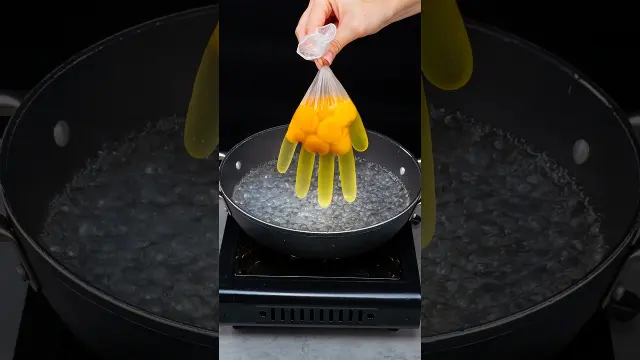
 Skillet Eggs with Soy, Teriyaki and Chili Glaze on Toast
#Teriyaki
1 ideas
Skillet Eggs with Soy, Teriyaki and Chili Glaze on Toast
Get new #Teriyaki ideas by email
Every Thursday: the week's best ideas, with the newest from #Teriyaki.
Related tags
Teriyaki: A Guide to the Japanese Glaze
Teriyaki is a Japanese cooking style and sauce known for its glossy finish and balanced sweet-savory flavor. The word refers to food that is cooked with a shiny glaze, usually made by combining soy sauce with a sweetener and then reducing it into a coating sauce. Over time, teriyaki has become popular far beyond Japan, especially as a simple way to add depth and shine to fish, chicken, meat, tofu, and vegetables.
At its heart, teriyaki is about contrast: saltiness from soy sauce, sweetness from sugar or another sweetener, and a gentle richness from the glaze itself. In traditional Japanese cooking, the method is as important as the sauce. Food is brushed or simmered with the glaze so the surface becomes lacquered and flavorful without being heavy.
There are many ways to make teriyaki, but the basic idea stays the same. Some versions are thin and light, used to glaze fish or vegetables. Others are thicker and more syrupy, better for coating grilled or pan-cooked foods. The flavor can be adjusted to suit the dish: a little ginger or garlic for warmth, a splash of mirin or sake for softness, or a touch of vinegar or citrus for brightness. Even so, a good teriyaki sauce should stay balanced rather than overly sweet.
Common uses
Read more
Teriyaki works well with ingredients that cook quickly or hold up well to glaze.
- Chicken and salmon are classic pairings
- Beef, pork, and shrimp can also work well
- Tofu, mushrooms, eggplant, and broccoli take on the sauce beautifully
- Rice bowls and noodle dishes often use teriyaki for easy flavor
- It can also be used as a finishing glaze for grilled or roasted foods
What beginners should know
If you are new to teriyaki, start with a simple sauce and taste as you go. Soy sauce varies in saltiness, so add sweetener gradually. The sauce should coat the back of a spoon lightly, not become sticky too quickly or burn in the pan. If you cook with it over high heat, keep an eye on the glaze, since the sugars can brown fast.
A few practical tips can help:
- Pat ingredients dry so they brown well before glazing
- Add the sauce near the end of cooking when possible
- Let the food simmer gently in the sauce for an even coating
- If the sauce becomes too thick, loosen it with a little water
- If it tastes too sharp or salty, balance it with a small amount of sweetness
Different styles and variations
Teriyaki can be adapted in many ways while keeping its recognizable character. A lighter version works well for delicate foods like fish. A richer glaze suits heartier meats or grilled vegetables. Some home cooks prefer a more aromatic sauce with ginger or garlic, while others keep it very simple. You may also see teriyaki used as both a sauce and a method: food is cooked, glazed, and sometimes brushed again just before serving for extra shine.
For everyday cooking, teriyaki is useful because it is easy to understand and easy to adjust. Once you know the balance of salty, sweet, and glossy, you can use it to make ordinary ingredients feel complete and satisfying.
#Teriyaki: frequently asked questions
What exactly makes a sauce a teriyaki?
Teriyaki is defined less by a fixed recipe than by the result: a soy-based glaze that turns shiny and lacquered as it cooks down. The sweetener is what gives it that gloss, while the soy provides the savory backbone. If the finished food looks glossy and tastes balanced between salt and sweet, you have made teriyaki.
How do I get started if I have never cooked with it before?
Begin with a small batch of sauce and adjust it as you taste, since soy sauce brands differ a lot in saltiness. Cook your ingredient first so it browns, then add the glaze toward the end and let it bubble gently until it clings. Keeping the heat moderate protects the sugars from scorching before the coating forms.
Should I choose a thin glaze or a thick, syrupy one?
It depends on what you are glazing: a loose, light sauce suits fish, vegetables, and anything delicate that would be overwhelmed by a heavy coating. A thicker, more reduced sauce holds better on grilled chicken, beef, or hearty vegetables that need a substantial layer. You can also start thin and simply reduce it further in the pan.
Is teriyaki only for chicken, or can I use it on other things?
Chicken and salmon are the familiar pairings, but the glaze is genuinely versatile. Tofu, mushrooms, eggplant, broccoli, shrimp, and pork all take to it well, and it works as a finishing brush-on for roasted or grilled foods. It is also a quick way to flavor rice bowls and noodles.
What are the most common mistakes people make with teriyaki?
The usual culprits are adding the sauce too early, so it burns before the food is done, and letting the glaze reduce until it turns sticky and bitter. Another frequent issue is over-sweetening, which throws off the salty-sweet balance the style depends on. Patting ingredients dry before cooking and tasting as you go prevents most of these.
Can I adjust the flavor to suit my own taste?
Yes, and this is one of the strengths of the style. Ginger or garlic adds warmth, a splash of mirin or sake softens the edge, and a little vinegar or citrus brings brightness. Make one change at a time so you can tell what each addition is doing.
Videos come from YouTube and posts from Instagram; titles and summaries are our own. All rights belong to their creators.