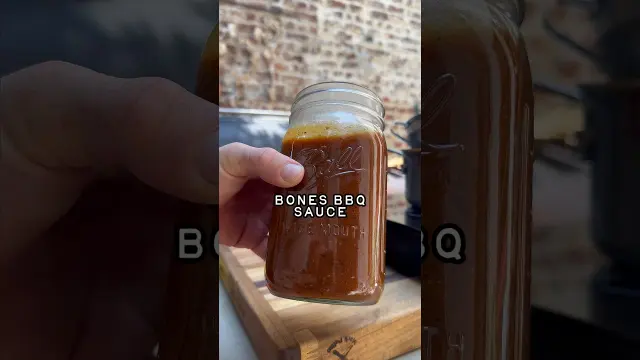
 Homemade Texas Style BBQ Sauce Recipe
#Texas BBQ
1 ideas
Homemade Texas Style BBQ Sauce Recipe
Get new #Texas BBQ ideas by email
Every Thursday: the week's best ideas, with the newest from #Texas BBQ.
Related tags
Texas BBQ Guide
Texas BBQ is a style of barbecue rooted in the food traditions of Texas, shaped by ranching culture, immigrant influences, and the long history of slow-cooking meat over wood and heat. It is best known for beef, especially brisket, though sausage, ribs, and other cuts are also common. What makes Texas barbecue distinctive is the focus on smoke, time, and simple seasoning that lets the meat itself stay at the center.
What Texas BBQ is
At its heart, Texas BBQ is about cooking tough cuts slowly so they become tender and full of flavor. Rather than relying on heavy sauces, the style usually highlights the taste of the meat, smoke, salt, and pepper. Wood smoke is essential, and the type of wood used can shape the final flavor in gentle but meaningful ways. The result is food that is rich, savory, and deeply satisfying.
Main styles across Texas
Read more
Texas barbecue is not one single thing. Different regions have their own traditions, and each one has a slightly different feel.
- Central Texas style is often the best known. It usually features brisket, sausage, and ribs with a simple dry rub of salt and black pepper.
- East Texas style tends to be softer in texture and often uses a sweeter, more saucy approach.
- South Texas barbecue may include more Latin American influence, with barbacoa and other seasoned meats.
- West Texas cooking is sometimes associated with direct heat and open-fire methods, reflecting ranch and frontier traditions.
These styles overlap, and many cooks blend ideas from more than one region.
Common meats and cuts
Brisket is probably the most iconic Texas BBQ cut. It comes from the chest area of the cow and needs slow, patient cooking to become tender. Beef ribs, sausage, chuck roast, and turkey can also appear in Texas-style barbecue. Pork shows up too, but beef remains central because of Texas’s cattle history.
Seasoning and smoke
A classic Texas approach keeps seasoning simple. Salt and pepper are often enough, especially on brisket. Some cooks use spice rubs with garlic, paprika, or chili powder, but the goal is usually to support the meat, not cover it up. Smoke adds another layer, and the cook’s skill lies in balancing smoke flavor with tenderness and juiciness.
What beginners should know
If you’re new to Texas BBQ, start with a forgiving cut and keep your method simple.
- Cook low and slow rather than rushing.
- Use enough smoke, but not so much that the meat tastes bitter.
- Let the meat rest before slicing so the juices settle.
- Slice brisket against the grain for a more tender bite.
- Keep sauces on the side if you want to respect the style’s traditional simplicity.
Serving and enjoying it
Texas BBQ is often served in a straightforward way, with bread, pickles, onions, and simple sides that balance the richness of the meat. The appeal is in the contrast: smoky meat, a bit of acidity, and something soft or fresh alongside it. Whether you are cooking at home or ordering from a pit, Texas BBQ rewards patience, attention, and a respect for the basics.
#Texas BBQ: frequently asked questions
How do I get started with Texas BBQ if I've never cooked it before?
Begin with a forgiving cut and a simple method rather than trying to master brisket straight away. Keep your setup basic — steady low heat, enough wood smoke to flavor the meat without bitterness, and salt and pepper as your seasoning. Learn to read the meat as it cooks, and let it rest before slicing so the juices settle.
What do I actually need to cook Texas-style barbecue?
You need a way to cook indirectly over wood or charcoal at a low, steady temperature, plus a reliable way to monitor that heat. A simple rub of salt and pepper, a sharp knife for slicing against the grain, and a board to rest the meat on will carry you a long way. Fancy equipment matters far less than patience and consistency.
Which Texas BBQ style should I try first?
Central Texas style is the easiest entry point, because it leans on brisket, sausage and ribs with nothing more than a salt-and-pepper rub. If you prefer softer textures and a sweeter finish, East Texas cooking may suit you better, while South Texas brings Latin American flavors and West Texas favors direct heat and open fire. Try one, then borrow freely from the others — most cooks blend styles anyway.
How do I care for my smoker or pit between cooks?
Clean out ash and grease after the pit has cooled, since built-up residue turns rancid and spoils the flavor of later cooks. Keep the cooking grates scrubbed and lightly oiled so meat releases cleanly, and check that vents and the chimney are clear before lighting up. Storing the pit covered and dry protects it from rust, especially if it lives outdoors.
What should I serve with Texas BBQ for a gathering?
Keep the sides plain and contrasting — bread, pickles, onions and something fresh or acidic to cut through the richness of smoked meat. Serve sauce on the side rather than pouring it over, so guests can taste the meat and smoke first. Slice just before serving and let people help themselves, which keeps everything warm and juicy.
What are the most common mistakes beginners make with Texas BBQ?
Rushing the cook and running the heat too high is the classic error, since tough cuts need time to turn tender. Oversmoking is another — too much smoke leaves a bitter, acrid taste that no sauce can fix. Finally, slicing too soon or with the grain wastes all that patience; rest the meat, then cut across the grain.
Videos come from YouTube and posts from Instagram; titles and summaries are our own. All rights belong to their creators.