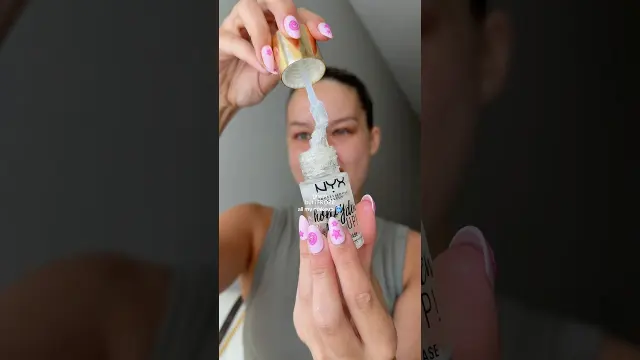
 Frozen-Themed Makeup Challenge With Icy Detail
#Themed Makeup
1 ideas
Frozen-Themed Makeup Challenge With Icy Detail
Get new #Themed Makeup ideas by email
Every Thursday: the week's best ideas, with the newest from #Themed Makeup.
Related tags
Themed Makeup: A Beginner's Guide to Character Looks
Themed makeup is makeup made to a concept rather than to flatter a face. Instead of asking "what suits me today", you ask "who or what am I becoming" — a character, an era, a creature, a season, a colour story. It sits somewhere between cosmetics and costume, and it is the part of dressing up that people remember longest.
Where it comes from
Painting the face to mean something is old. Stage traditions from Greek mask theatre through opera and pantomime built up a shared visual language, where a painted cheek or a drawn brow tells you instantly whether someone is a hero or a villain. Carnival traditions in Europe and elsewhere added their own vocabularies, and the twentieth century brought film makeup, then television, then the amateur culture of Halloween, fancy-dress parties and cosplay. What ties these together is a habit of reading faces as signs.
The main kinds
Read more
- Character and cosplay makeup: recreating a known figure, usually with a reference image in hand.
- Era makeup: a decade, a historical period or a film style, built from the shapes and colours of that moment.
- Creature and fantasy looks: animals, monsters, fairies, androids — often using shading rather than prosthetics.
- Holiday and seasonal themes: celebrations, festivals and the motifs that belong to them.
- Conceptual themes: a colour, an object, a food, a painting. These are the ones people invent from nothing.
- Full-face paint versus wearable twists: the same idea can be an elaborate illusion or a hint of it around the eyes.
Techniques worth knowing
Most themed work rests on a few moves. Blocking out the eyebrows with soap or a wax-based product opens up the whole forehead for a different expression. Contouring with a cool shade reads as bone; contouring with a warm one reads as flesh. Cream products layer under powder ones, so build in thin passes and set as you go. Illusion work — an extra eye, a drawn-on mouth — depends far more on matching your own skin tone and light direction than on expensive materials. Symmetry is easier if you sketch the design on paper first and work with a mirror at eye level.
Starting out
Pick a concept you can finish. A first attempt is happier as a single strong feature than as a full transformation. Collect three or four reference images and study the shapes rather than copying details. Test every product on a small patch of skin a day before, keep pigment away from the eyes unless it is made for them, and never use craft materials, glue or paint on skin that was not intended for it. Photograph your work under the light you will actually be seen in, because stage-bright makeup can look flat in daylight and subtle makeup disappears on camera.
And plan the ending: a gentle oil-based cleanser, patience, and no sleeping in it. Themed makeup is play, but your skin is not a rehearsal.
Videos come from YouTube and posts from Instagram; titles and summaries are our own. All rights belong to their creators.