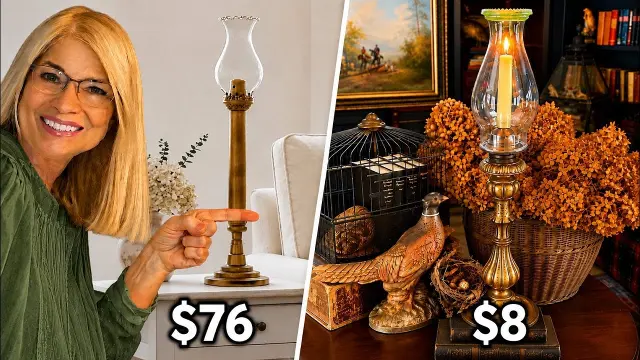
 Recreating high-end fall decor using thrifted finds
#Thrift Flip
2 ideas
Recreating high-end fall decor using thrifted finds
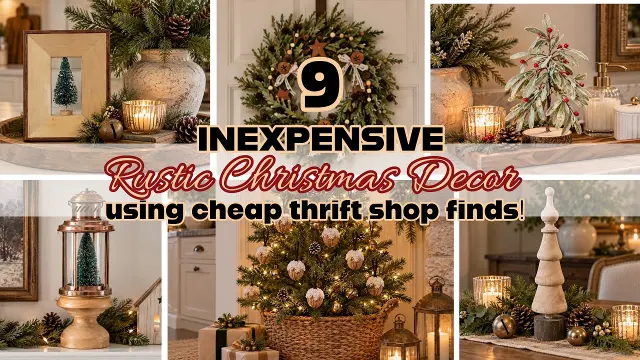 Inexpensive Rustic Christmas Decor Ideas Using Thrift Shop Finds
Get new #Thrift Flip ideas by email
Every Thursday: the week's best ideas, with the newest from #Thrift Flip.
Related tags
Thrift Flip Ideas and Upcycling Basics
What thrift flipping means
Thrift flipping is the practice of buying secondhand items and transforming them into something new, useful, or more personal. It can be as simple as cleaning, repairing, and restyling a piece, or as involved as painting, reupholstering, cutting, or combining materials to create a completely different look. People thrift flip furniture, clothing, home décor, frames, baskets, lamps, and many other everyday objects.
At its heart, thrift flipping is about seeing value in items that might otherwise be overlooked. It is a creative mix of recycling, design, and practical problem-solving. Some pieces are improved for everyday use, while others are made to suit a particular room, style, or need.
Where the idea comes from
Read more
Secondhand use and repair have always been part of daily life. Long before buying new was easy, people reused, altered, and mended what they already had. Thrift flipping carries that same spirit, with a more creative approach. Instead of simply replacing something, you adapt it to fit your own taste and home.
This makes thrift flipping especially appealing if you enjoy hands-on projects, want to save money, or prefer a more personal way of decorating and dressing. It also encourages you to look at older pieces for their shape, material, and potential rather than only their original purpose.
Common kinds of thrift flips
Some thrift flips focus on surface changes, such as paint, stain, fabric, or new hardware. Others involve more structural work, such as shortening a garment, replacing a drawer pull, or turning one object into another.
Typical categories include:
- Furniture flips: chairs, tables, dressers, mirrors, and shelves
- Home décor flips: vases, trays, frames, baskets, and candle holders
- Clothing flips: hemming, resizing, dyeing, patching, or restyling
- Mixed-material projects: combining salvaged parts to make something new
The best projects usually begin with a sturdy piece and a clear idea of what you want it to become.
What beginners should know
If you are new to thrift flipping, start simple. Choose items that are clean, solid, and easy to handle. A good beginner project is one that needs only a few changes, not a full rebuild. Look for shapes and materials you already like, even if the color or finish is not right.
Before you begin, inspect the item carefully. Check for damage, loose parts, stains, odors, missing pieces, or signs of wear that may be difficult to fix. Some flaws are part of the charm; others may make the project impractical.
It also helps to plan your final use before you buy. Ask yourself whether the piece will work in your home, fit the space, and suit your skill level. If the answer is uncertain, it may be better to keep searching.
Practical tips for better results
- Clean items thoroughly before making changes.
- Sand, patch, or mend surfaces when needed so finishes last longer.
- Test paint, dye, or fabric choices on a small hidden area first.
- Keep the original structure in mind; some pieces look best with only light changes.
- Use sturdy hardware and secure fastenings when a project must hold weight or get regular use.
- Balance creativity with function so the finished piece is still practical.
Thrift flipping is most satisfying when you let the item guide you. A good flip does not have to hide every mark of age. Often, the most appealing results come from combining character, care, and a simple idea that gives the piece new life.
Videos come from YouTube and posts from Instagram; titles and summaries are our own. All rights belong to their creators.