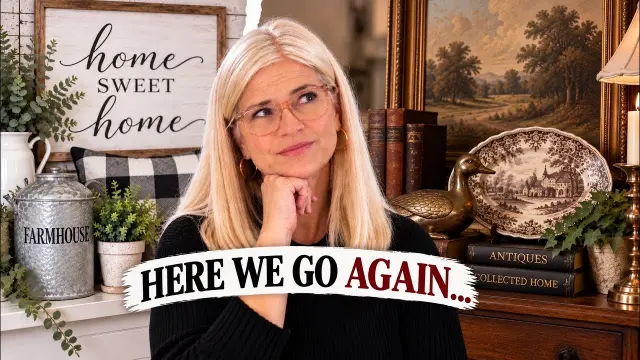
 Is Vintage Decor Becoming the New Modern Farmhouse?
#Thrift Store
1 ideas
Is Vintage Decor Becoming the New Modern Farmhouse?
Get new #Thrift Store ideas by email
Every Thursday: the week's best ideas, with the newest from #Thrift Store.
Related tags
Thrift Store Guide: How to Shop Secondhand Well
A thrift store is a shop that resells donated goods — clothing, housewares, furniture, books, toys, craft supplies — usually to raise money for a charity or community organisation. You will find the same idea under other names: charity shop, op shop, second-hand shop, resale store. What unites them is the model: someone else's unwanted things get a second life, sold cheaply, and the money goes somewhere other than a manufacturer's pocket.
Thrift shopping has deep roots. Selling donated and secondhand goods has been a practical way to fund relief work and keep usable things out of the bin for generations, and it grew into a familiar high-street presence in many countries. Its appeal today is layered: low prices, the thrill of the unexpected, and a way to buy that doesn't demand new materials and new manufacturing.
What you'll actually find
No two shops are alike, and that is the point. Stock depends entirely on what has been given, so a store can be a trove of vintage kitchenware one week and mostly out-of-season clothing the next. Common categories include everyday clothing and coats, glassware and dishes, linens, small furniture, framed art, books, records, children's clothes and toys, and a steady supply of craft materials and sewing notions.
Read more
Some shops sort and specialise: you get curated boutiques focused on vintage, others that are warehouse-sized and unsorted, and charity shops that mix everything together. Vintage is a separate category — generally considered to be older items of a recognisable earlier style, rather than simply used.
How to shop well
Go often and go light. Because inventory turns over constantly, frequent short visits beat one long hunting trip. Bring a rough list but stay open: the best finds are usually not what you came for.
- Check construction before price. Look at seams, buttons, zips, and whether a hem can be let out. A cheap garment with sturdy stitching outlasts an expensive one that is already fraying.
- Try things on. Sizing has shifted over the decades, so a vintage label rarely matches what you expect.
- Inspect housewares for chips, cracks, and missing parts, and check that electrical items work and have intact cords.
- Sniff and squeeze textiles. Musty smells often wash out; mildew and rot do not.
- Know what can be repaired. Reupholstering, rewiring, and basic mending are worth costing out before you buy.
- Ask about returns. Many shops sell as-is, so treat every purchase as final.
- Shop off-peak. Weekday mornings are calmer, and staff may have just restocked.
Practical habits
Bring your own bag, a tape measure for furniture, and a phone note of the measurements you need at home. Measure a doorway before committing to anything large. Wash or air secondhand textiles before use, and clean hard surfaces thoroughly.
Donation and purchase are two halves of the same loop: when you are done with something, pass it on. That habit keeps thrift stores stocked, keeps prices low, and keeps good things in circulation rather than in landfill.
#Thrift Store: frequently asked questions
How do I get started with thrift shopping if I've never been to one?
Start small and local: pick a nearby charity or second-hand shop and visit without a shopping agenda, just to learn how the stock is organised and what the shop is good at. Go often rather than long, because donated inventory turns over constantly and short regular visits beat one big hunting trip. Bring your own bag, some cash, and a note of the measurements you need at home.
What should I bring or prepare before I go?
A rough list, a tape measure for furniture, and your own home measurements on your phone will save you from most bad buys. Measure your doorway before committing to anything large, and note sizes you actually wear since vintage labels often run differently from what you expect. Bring a bag for your finds and wear shoes you can slip off easily if you plan to try things on.
How do I choose between a curated vintage boutique and a big unsorted warehouse shop?
Curated shops do the sorting for you and are better when you want a specific look or a piece you can trust, while warehouse-style shops reward patience with much lower prices. Mixed charity shops sit in between and are best for everyday clothing, kitchenware and craft supplies. If you are new, try the calmer curated and charity shops first and work up to the big ones.
How should I care for thrifted clothes and housewares once I get them home?
Wash or air secondhand textiles before use, and clean hard surfaces thoroughly, since musty smells usually wash out while mildew and rot do not. Check seams, buttons, zips and cords before you buy so you know what needs mending rather than discovering it later. Basic repairs like rewiring a lamp or letting out a hem are worth costing out before purchase, not after.
What are the most common mistakes people make when thrifting?
Paying attention to the price before the construction is the classic one: seams, buttons and zips tell you whether a piece will last, and a cheap garment already fraying is no bargain. Another is assuming returns are possible, when many shops sell as-is, so treat each purchase as final. Buying furniture without measuring the doorway and buying textiles without checking for mildew are the other frequent regrets.
Can thrifted pieces work for a special occasion or a styled room?
Yes, and mixing old and new is often what makes a table setting, outfit or room look collected rather than bought all at once. Look for glassware, linens, framed art and small furniture that suit the occasion, and check condition closely since you cannot return it. Passing on what you no longer use keeps the loop going and keeps good things out of landfill.
Videos come from YouTube and posts from Instagram; titles and summaries are our own. All rights belong to their creators.