 Testing a Simple Productivity Trick by Doing Less
#Time Management
3 ideas
Testing a Simple Productivity Trick by Doing Less
 Comprehensive Advice and Systems for Managing Productivity
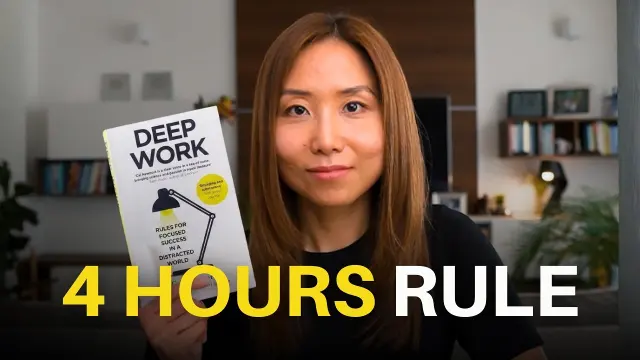 Build Focus and Work Smarter Using Deep Work Strategies
Get new #Time Management ideas by email
Every Thursday: the week's best ideas, with the newest from #Time Management.
Related tags
Time Management: How to Use Your Time Well
What time management means
Time management is the practice of planning and using your hours in a way that supports your responsibilities, goals, and well-being. It is not about cramming every minute with activity. It is about making clearer choices so you can work with less stress and avoid feeling constantly behind.
Good time management helps you decide what matters most, when to do it, and how to protect time for rest, family, and unexpected tasks. At its best, it gives you more control over your day without making it feel rigid.
Where the idea comes from
Read more
The idea is closely tied to modern work and daily scheduling, but people have always needed ways to organize tasks, meet deadlines, and balance competing demands. Over time, time management has become a broad set of habits and methods used in schools, offices, homes, and creative work.
Different people need different systems. Some prefer simple lists, while others do better with calendars, routines, or more structured planning. The right method is the one you can actually keep using.
Common approaches
There are many ways to manage time, but a few ideas come up often:
- Prioritizing: deciding which tasks are most important
- Scheduling: placing tasks into specific time blocks
- Batching: grouping similar tasks together
- Breaking work into steps: making large tasks feel more manageable
- Reviewing: checking what was finished and what still needs attention
Some people also use routines, daily lists, or time-blocking to create structure. Others rely on a short “must do” list and leave room for flexibility. There is no single correct style.
What beginners should know
If you are new to time management, start small. Trying to redesign your whole life at once usually does not last. A simple system is easier to keep than a complicated one.
A few practical habits can help:
- Write down everything you need to remember in one place
- Choose the three most important tasks for the day
- Estimate how long tasks may take, then leave some buffer time
- Put demanding work into the part of the day when you usually feel most alert
- Leave space for interruptions, rest, and transitions between tasks
It also helps to notice where time goes. Sometimes the problem is not lack of effort, but too many commitments, unclear priorities, or frequent distractions.
Making it work in real life
Time management is most effective when it fits your actual life. If your days are unpredictable, a flexible list may work better than a tightly packed schedule. If you share home responsibilities, it can help to coordinate plans clearly with others. If you often feel overwhelmed, simplifying your commitments may matter more than learning a new technique.
Be gentle with yourself when plans change. Time management is not about perfect control. It is about making steady, realistic choices that help you move through the day with more calm and purpose.
Videos come from YouTube and posts from Instagram; titles and summaries are our own. All rights belong to their creators.