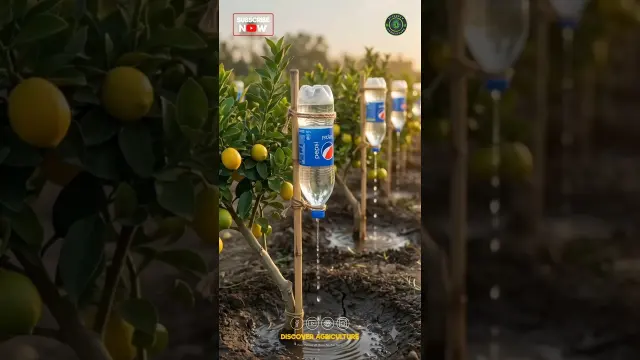
 Amazing DIY Drip Irrigation System Using Waste Bottles
#Tomato Farming
1 ideas
Amazing DIY Drip Irrigation System Using Waste Bottles
Get new #Tomato Farming ideas by email
Every Thursday: the week's best ideas, with the newest from #Tomato Farming.
Related tags
Tomato Farming: A Beginner's Guide to Growing Tomatoes
The tomato is a fruit of the nightshade family, cultivated for centuries in the Americas before spreading to kitchens around the world. Botanically a berry, it is treated as a vegetable in cooking and eaten fresh, roasted, sauced, dried and preserved. For a home grower it is one of the most satisfying crops: vigorous, generous, and forgiving enough to reward even a first attempt, provided you give it light, warmth and steady care.
Bush or vine, cherry or beefsteak
Tomato varieties fall into two habits. Determinate plants grow to a set height, ripen their crop within a short window and then stop, which suits small plots, pots and anyone who wants a single concentrated harvest for sauce. Indeterminate plants keep extending and fruiting until cold weather ends them, giving a long, staggered supply that suits fresh eating.
Within both habits you will find small cherry types that are quick and sweet, large beefsteak types with dense flesh, and plum or paste types that are meaty and low in water. Heirloom varieties carry history and unusual colours and shapes, while hybrids are bred for uniformity and vigour. Choose by the space you have, the length of your season and how you intend to use the fruit.
Read more
Starting off
Tomatoes can be sown indoors in pots of moist seed compost and kept warm, since germination needs steady heat. Once seedlings have their first true leaves, move them into brighter light to keep them stocky rather than drawn up. Plant out only when the soil has warmed and frost has passed, and accustom young plants to outdoor conditions gradually over a week or so before leaving them out.
Site, soil and support
Give tomatoes full sun, ideally six to eight hours a day, and a sheltered spot. They like fertile, well-drained soil enriched with compost. Avoid growing them where tomatoes, potatoes or peppers grew the year before, as problems can linger in the ground.
Put support in at planting time rather than later: a stout stake, a cage or a frame of canes. Tying stems as they grow keeps fruit off the soil and makes picking easier.
Water and feeding
Water deeply and less often rather than little and often, delivering water to the soil around the base and keeping foliage dry. A layer of mulch helps hold moisture and steady the supply, which matters because irregular watering can split fruit. Feed moderately; too much nitrogen produces leafy plants with few tomatoes.
Pruning and pollination
On vining varieties, pinching out side shoots in some climates channels energy into the main stem, though bush types should be left alone. Tomato flowers are largely self-pollinating, so a gentle tap on the support or a little ventilation where air is still helps fruit set.
Problems and harvest
Watch for aphids, caterpillars and discoloured foliage, and act early by removing affected leaves, spacing plants for airflow and cleaning tools between uses.
Pick fruit as it colours, or leave it to ripen on the vine for the fullest flavour. Tomatoes continue ripening at room temperature and lose their taste in the fridge.
#Tomato Farming: frequently asked questions
How do I start growing tomatoes from seed?
Sow the seed indoors in small pots of moist seed compost and keep them somewhere warm, because tomatoes need steady heat to germinate. Once the seedlings have their first true leaves, move them into brighter light so they grow sturdy instead of tall and spindly. Harden them off gradually before planting outside, and only once the soil has warmed and the danger of frost has passed.
Should I choose a bush or a vining tomato variety?
Bush, or determinate, types stop growing at a set height and ripen most of their fruit at once, which suits pots, small plots and anyone who wants a single batch for sauce. Vining, or indeterminate, types keep growing and fruiting until the cold stops them, giving a steady supply for fresh eating over a long season. Pick based on your space, how long your growing season lasts and how you plan to use the fruit.
What does a tomato plant need in terms of sun, soil and support?
Give them full sun for most of the day in a sheltered, warm spot, and plant them in fertile, well-drained soil improved with compost. Put the stake, cage or cane frame in at planting time rather than later, so the roots are not disturbed once growth takes off. Tying the stems in as they grow keeps the fruit off the ground and makes picking far easier.
How should I water and feed tomatoes to get good fruit?
Water deeply but less often, pouring around the base of the plant and keeping the leaves dry, since steady moisture matters more than frequent sprinkling. A mulch layer helps hold that moisture and smooth out the supply, which reduces the chance of fruit splitting. Feed modestly as well, because too much nitrogen gives you lush leaves and very little fruit.
What are the common mistakes with tomato plants?
The usual slips are starting too early in cold soil, letting plants dry out and then flooding them, and overfeeding with nitrogen. Growing them in the same ground where tomatoes, potatoes or peppers grew the year before is another one, as problems can linger in the soil. Crowding plants and working with dirty tools also invites trouble, so space them for airflow and clean your tools between uses.
When and how should I harvest tomatoes?
Pick them as they colour up, or leave them on the vine a little longer for the fullest flavour. Once picked, they will keep ripening at room temperature, so there is no need to rush the last green ones. Never store ripe tomatoes in the fridge, as the cold drains their taste.
Videos come from YouTube and posts from Instagram; titles and summaries are our own. All rights belong to their creators.