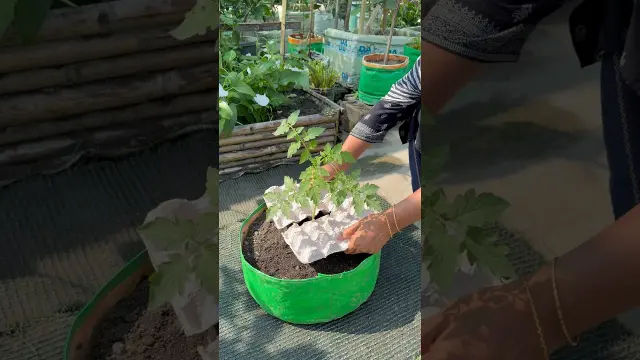
 Using Egg Cartons as Mulch to Keep Tomato Soil Moist
#Tomatoes
1 ideas
Using Egg Cartons as Mulch to Keep Tomato Soil Moist
Get new #Tomatoes ideas by email
Every Thursday: the week's best ideas, with the newest from #Tomatoes.
Related tags
Tomatoes: A Guide to Growing, Choosing and Cooking Them
The tomato is the fruit of a plant in the nightshade family, grown all over the world and eaten in almost every cuisine. Botanically it is a berry; in the kitchen it is treated as a vegetable, and the debate over which word is correct has been settled by usage rather than by science. The plant comes originally from the western edge of South America, was domesticated in Mesoamerica, and reached Europe in the sixteenth century, from where it spread across the rest of the globe. Its Italian name, pomodoro, still carries the old belief that it was a kind of golden apple.
The main kinds
Tomatoes are usually sorted by shape and use. Cherry and grape tomatoes are small and sweet, good raw and in salads. Plum tomatoes, including the Roma type, are dense and dry inside, which makes them the best choice for sauces and preserving. Beefsteak tomatoes are large and meaty, sliced thick for sandwiches. Slicing tomatoes sit in the middle: all-purpose, thin-skinned, best eaten fresh. Heirloom varieties are open-pollinated older types, kept for their flavour, colour and history, and their seeds can be saved and will grow true.
Another distinction matters more to growers than to cooks. Determinate plants grow to a fixed size and ripen most of their fruit at once, which suits small gardens and preserving. Indeterminate plants keep growing and fruiting until cold weather stops them, and need tall supports.
Growing them
Tomatoes want warmth above almost everything else. They dislike cold soil, so plant them out only once nights are reliably mild. Choose a spot in full sun, with rich, well-drained soil and room for air to move between plants. Bury the stem deeper than it was in its pot, since the buried stem will root. Water deeply and less often rather than lightly and daily, at the base of the plant rather than over the leaves, and mulch to keep the soil evenly moist. Uneven watering is one of the commonest causes of split fruit.
Read more
Stake or cage the plants early, before they need it. Feed sparingly at first, then more once fruit has set. Rotate where you plant them each year, and clear away spent foliage at the end of the season to reduce disease. Pick fruit as it ripens, and let any that is still green at the end of the season finish ripening indoors, on a tray, out of direct sun.
In the kitchen
A good tomato needs little. Salt, good oil, a few minutes of heat, or nothing at all. Roasting concentrates the flavour and is the easiest route to a sauce; simmering with onion and herbs gives a smoother one. Tomatoes also freeze well, whole or cooked, and can be dried or bottled for the colder months.
Store them at room temperature, out of sunlight, stem side down, and eat them within a few days. Refrigeration dulls flavour and turns the flesh mealy, so bring them out well before serving if you have chilled them.
To choose well, look for fruit that feels heavy for its size and smells of the vine at the stem end. Flavour and aroma go together far more closely than colour alone suggests.
Videos come from YouTube and posts from Instagram; titles and summaries are our own. All rights belong to their creators.