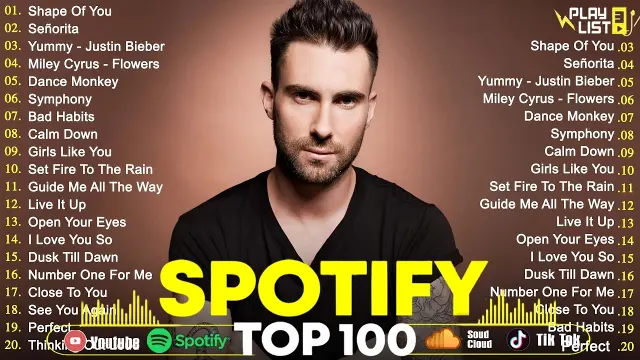
 Billboard Top 50 Chart Hits Featuring Global Pop Superstars
#Top Songs
2 ideas
Billboard Top 50 Chart Hits Featuring Global Pop Superstars
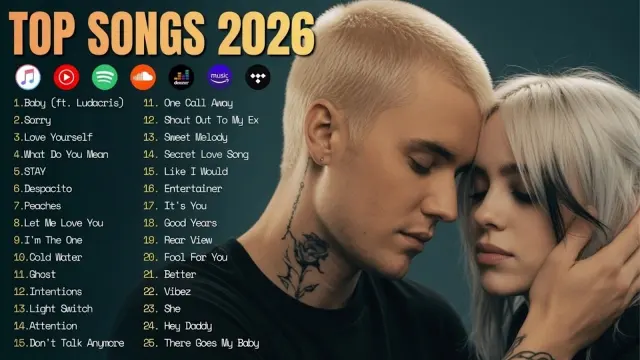 Trending Pop Hits Featuring Adele Maroon 5 and Dua Lipa
Get new #Top Songs ideas by email
Every Thursday: the week's best ideas, with the newest from #Top Songs.
Related tags
Top Songs: How Music Charts and Hit Lists Work
A top song is simply a piece of music that a great many people are listening to, buying, requesting or streaming at the same moment. The idea sounds trivial, but it rests on something older and more interesting: music has always been a shared experience, and every culture that plays music has also found a way of saying which songs matter most right now. Long before published rankings existed, songs rose and fell through word of mouth, travelling players, radio request lines and dance halls. Charts simply gave that collective attention a number and a shape.
How a song becomes a "top" song
Most rankings are built from the same basic ingredients: how often a track is played, how many people choose it deliberately, and how long it stays in circulation. Different lists weigh these differently, and some also count radio airplay, video views or live popularity. That is why a song can top one list and sit far lower on another — there is no single true measure, only different attempts to capture the same thing.
Two features are worth knowing about:
Read more
- Charts reward momentum as much as volume. A song climbing fast draws more attention than one that has been steady for months, so sleeper hits sometimes appear from nowhere.
- Rankings are snapshots. A number one is a record of a period, not a verdict on quality, and plenty of songs that never charted are loved far longer than the hits of their year.
The kinds of top-song lists
Beyond general popularity charts, you will meet genre lists (songs ranked within one style), year-end and decade lists that summarise a period, editorial selections chosen by critics or curators, and personal playlists built by listeners. Critical lists tend to value influence, originality and craft; commercial lists reflect what people actually chose to play. A song that appears on both is usually doing something that satisfies listeners and tastemakers at once.
If you are putting a list together yourself
Start with a purpose: a mood, a moment, a journey, a party. Decide whether you are ranking by personal feeling or by broader recognition, and be honest about which one you are doing. Vary tempo, era and texture so the list breathes, and place the strongest opening and closing tracks where they will be heard most. Then leave it alone for a while and listen again — the songs that survive repeated listening are the ones worth keeping.
Listening well
Top songs are a doorway rather than a destination. When something catches you, follow it: find who wrote it, who played on it, what it was influenced by, and what the same artists made before and after. That trail usually leads away from the charts and into music you would never have found by ranking alone, and it is where a lasting listening life is built.
#Top Songs: frequently asked questions
What actually makes a song a "top" song?
A top song is one that a great many people are choosing to play, request, buy or stream at the same moment. Rankings simply give that shared attention a shape, so "top" describes a snapshot of collective listening rather than a judgment about quality.
Why does the same song land in different places on different lists?
Every ranking weighs the same basic ingredients differently — some count deliberate plays, others fold in radio airplay, video views or how a song performs live. There is no single true measure, only different attempts to capture the same thing, so a track can lead one list and sit far lower on another.
Which kind of top-songs list should I follow?
It depends on what you want from it: general charts show what most people are playing right now, genre lists keep you inside one style, and year-end or editorial selections summarise a period or reward craft and influence. Pairing a commercial list with a critical one gives a fuller picture than either alone.
How do I build my own top-songs list?
Begin with a purpose — a mood, a journey, a party — and be honest about whether you are ranking by personal feeling or by wider recognition. Vary tempo, era and texture so the list breathes, put your strongest tracks at the opening and the close, then set it aside and listen again before deciding what stays.
How do I keep a playlist from going stale?
Leave it alone for a while and come back with fresh ears — the songs that survive repeated listening are the ones worth keeping, and the rest can go. When something catches you, follow the trail to who wrote it, who played on it and what those artists made before and after.
What mistakes are easy to make with charts?
The big one is reading a ranking as a verdict on quality, when it only records a period of attention. It is also easy to listen only to what is currently climbing, which means missing the slower songs that people go on loving long after the hits of their year are forgotten.
Videos come from YouTube and posts from Instagram; titles and summaries are our own. All rights belong to their creators.