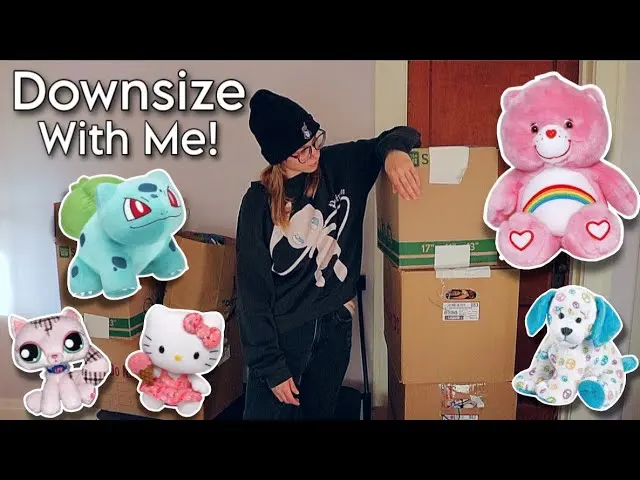
 Downsizing my stuffed animal collection and flea market haul
#Toy Collection
1 ideas
Downsizing my stuffed animal collection and flea market haul
Get new #Toy Collection ideas by email
Every Thursday: the week's best ideas, with the newest from #Toy Collection.
Related tags
Building a Toy Collection: A Beginner's Guide
A toy collection is simply a group of toys gathered on purpose rather than for play alone. People have always kept favourite dolls, tin trains and wooden animals, but collecting as a hobby took shape alongside the rise of manufactured toys themselves: once objects were made in numbers, some of them became worth seeking out, comparing and keeping. Today a collection might fill a shelf, a cupboard or an entire room, and it can be worth very little in money and a great deal in pleasure. That is the first thing worth knowing: the collection is yours to define.
What people collect
Almost any toy has its devotees. Dolls and figures, plush animals, die-cast vehicles, model kits, wooden blocks, board games, mechanical tin toys, dollhouse furniture, play sets and promotional items all have their own worlds of knowledge. Some collectors chase a single theme — one character, one era, one material — while others follow whatever caught their eye as a child. Neither approach is better. A focused collection is easier to learn about; a scattered one is often more personal.
Starting out
Read more
Begin with what you already love, then learn about it properly. Read what you can, handle toys where you are allowed to, and talk to other collectors, who are usually generous with what they know. Buy the pieces that make you want to pick them up, not the ones you think you should want. Condition matters, and collectors describe it in their own language — complete or missing parts, original or replaced, boxed or loose — so learn a little of that vocabulary before you spend much. Be wary of anything described as rare without explanation.
Care and display
Most toys dislike the same things: direct sunlight, damp, heat, dust and rough handling. Keep collections away from radiators and windows, out of attics and cellars where the air swings between damp and dry, and off surfaces where they will be knocked. Soft toys benefit from a gentle brush and fresh air rather than hard washing, and older plastics and painted surfaces are best dusted softly. If you keep boxes, store them flat and dry. Display is part of the pleasure: a shelf at eye level, a glass cabinet, a few pieces rotated out of storage. Label what you have, even loosely, so the story behind each piece is not lost.
Living with a collection
Collections grow, and eventually most people face a sorting day. Letting go is easier when you decide what the collection is actually for — the pieces you display, the pieces you keep for sentimental reasons, the pieces you are ready to pass on to someone who will enjoy them. Flea markets, toy fairs and swaps are good places to send things onward. Keep what you love, and let the rest go without guilt.
#Toy Collection: frequently asked questions
How do I start a toy collection without getting overwhelmed?
Start with the toys you already keep or keep coming back to, and spend time learning about that one area before adding anything else. Handle pieces where you can, read about how they were made, and talk to people who already collect them, since collectors tend to share knowledge freely. Buy what genuinely appeals to you rather than what seems like the sensible choice, and you will end up with something coherent almost by accident.
Should I collect one type of toy or mix different kinds?
Both work, and the choice mostly comes down to temperament. A single theme makes it easier to learn the details, spot what is missing and know when something is worth adding, while a mixed shelf often tells a more personal story and keeps the hunt varied. Many people drift between the two over time, starting broad and narrowing once a favourite theme emerges.
What should I look for when judging the condition of a toy?
Learn the basic vocabulary collectors use first — whether a piece is complete or missing parts, original or restored, boxed or loose — because those words carry a lot of meaning. Look closely at paint, joints and any sign of repair, and ask questions if a description is vague. Treat claims that something is rare as a starting point for checking rather than a reason to buy.
How should I store and display toys so they stay in good shape?
Away from windows, radiators and anywhere the air swings between damp and dry, since sunlight, heat and moisture do most of the damage. Dust softly rather than scrubbing, and give plush pieces a gentle brush and some fresh air instead of a hard wash. Keep any original boxes flat and dry, and displaying at eye level with a few pieces rotated out keeps the collection enjoyable rather than hidden.
How do I decide what to let go of when the collection gets too big?
Work out what the collection is actually for before you start sorting: which pieces you want on show, which you keep for sentimental reasons, and which you would happily see go somewhere they will be enjoyed. Flea markets, toy fairs and swaps are natural places to pass things on. Letting go gets much easier once the purpose of keeping is clear.
Is collecting toys an expensive hobby to get into?
It can be as modest or as involved as you make it, which is part of why the hobby suits so many people. Plenty of collections are built from inexpensive finds, gifts and pieces that were already in the family, and the pleasure does not depend on what anything cost. Decide your own limits early so the search stays enjoyable rather than pressured.
Videos come from YouTube and posts from Instagram; titles and summaries are our own. All rights belong to their creators.