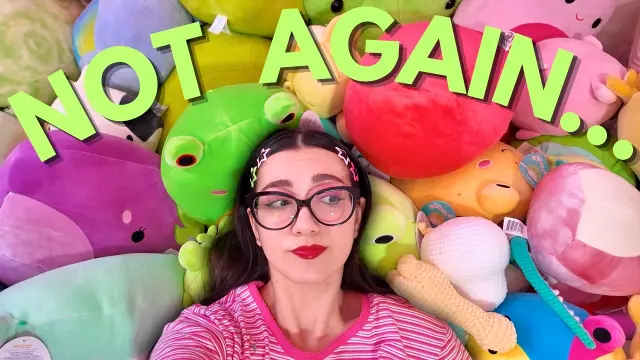
 Organizing my entire plushie collection and room tour
#Toy Storage
1 ideas
Organizing my entire plushie collection and room tour
Get new #Toy Storage ideas by email
Every Thursday: the week's best ideas, with the newest from #Toy Storage.
Related tags
Toy Storage Ideas That Keep Playrooms Tidy and Playful
Toys arrive faster than anyone plans for. A single birthday can transform a tidy corner into a small landslide of blocks, plush animals and plastic pieces with no obvious home. Toy storage is the practice of giving all of that a place to go — not to hide childhood away, but to make it easier to find, easier to put back, and easier to actually play with.
The idea is older than the purpose-built playroom. For generations, families used chests, blanket boxes, woven baskets and under-bed drawers, and many of those solutions remain the most sensible ones. What has changed is the range of furniture designed for the job, and a wider understanding that storage works best when it fits the people using it — which usually means the children themselves.
Start with the toys, not the shelves
Before buying anything, gather everything in one place and sort it. Most toy collections fall into a few rough groups: small pieces that need containment, medium items that stack, big awkward things like ride-ons, and collections that grow slowly — a doll's wardrobe, a set of trains, a shelf of books. Storage that ignores these differences tends to fail, because a single deep chest turns into an archaeology site where the favourite thing is always at the bottom.
Read more
The main kinds of storage
Open bins and baskets suit young children, who need to see and reach without help. Low shelving keeps toys at eye level and invites choice. Lidded boxes hide clutter but are best for things used less often, or for adults to retrieve. Deep drawers and under-bed storage make use of space that is otherwise wasted. Wall-mounted racks, hooks and small baskets handle the awkward items — dress-up clothes, bags, soft toys, craft supplies. Clear containers work well when the contents need identifying; opaque ones help a room feel calmer.
Labels and zones do most of the work
A picture label on a bin lets a child who cannot read yet put things away independently, and it quietly sets the expectation that everything has a place. Grouping by activity rather than by material helps too: a bin for drawing, a bin for building, a basket for soft toys. Rotating toys — keeping some out of reach and swapping them in later — keeps a room uncluttered and makes old things feel new again.
Practical habits
Keep the number of containers slightly generous; an overflowing bin is a bin nobody wants to tidy. Leave a little empty space on every shelf so returning something takes no effort. Choose bins light enough for a child to lift and low enough to reach. Fix shelves and furniture to the wall where tipping is a risk. And lower the standard: storage that is easy and imperfect gets used, while a perfect system nobody can maintain collapses within a week.
The aim is not a showroom. It is a room where play starts quickly, ends without a struggle, and can begin again tomorrow.
#Toy Storage: frequently asked questions
How do I start organising toys without buying anything first?
Empty the whole collection onto the floor and sort it into rough piles — small pieces, medium things that stack, big awkward items, and collections that keep growing. Once you can see what you actually own, you will usually find you already have enough baskets, boxes and drawers to make a start. Shopping afterwards is far easier and cheaper, because you buy for real categories instead of guessing.
What kind of toy storage works best for young children?
Open bins and low shelving, because a child needs to see a toy and reach it without asking for help. Containers should be light enough to lift and low enough to reach, so putting things back costs almost no effort. Lidded boxes and deep drawers are better saved for things an adult retrieves or that are used less often.
How do I stop a toy chest turning into a jumble where everything gets lost?
One deep chest suits large soft toys and dress-up clothes, but it fails for small pieces, which sink to the bottom and never come back out. Split the collection into several containers grouped by activity — building in one, drawing in another, soft toys in a basket — so each thing has an obvious home. Picture labels let a child who cannot read yet put things away on their own.
What is the trick to keeping a storage system going over time?
Keep the number of containers slightly generous and leave a little space on every shelf, since an overflowing bin is the one nobody wants to tidy. Rotating toys — keeping some out of reach and swapping them in later — keeps the room calm and makes old things feel new. It also helps to accept an imperfect system a child can actually maintain over a beautiful one that collapses within a week.
Which containers should be clear and which should be opaque?
Clear containers are useful where the contents need to be identified quickly, such as craft supplies, small figures or games with many pieces. Opaque baskets and boxes calm a room visually and suit anything that looks messy on display. A mix of the two usually works best, with the see-through ones at child height and the solid ones higher up.
What are the most common mistakes people make with toy storage?
Buying furniture before sorting the toys, then discovering that nothing fits the collection you actually have. Another is relying on a single deep container or on high shelves a child cannot reach, which means the tidying always falls to an adult. Forgetting to fix shelving and tall furniture to the wall is a risk worth taking seriously, especially in a room where children climb and pull.
Videos come from YouTube and posts from Instagram; titles and summaries are our own. All rights belong to their creators.