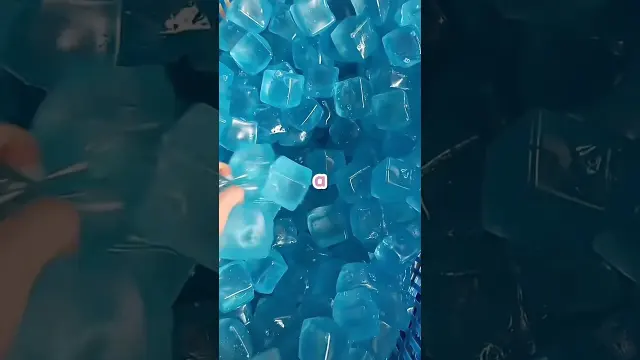
 How to Make a DIY Icy Squishy Fidget Toy
#Toys
1 ideas
How to Make a DIY Icy Squishy Fidget Toy
Get new #Toys ideas by email
Every Thursday: the week's best ideas, with the newest from #Toys.
Related tags
Toys: A Guide to Play, Learning, and Imagination
Toys are objects made for play, learning, comfort, and imagination. People have used them in many forms for centuries, from simple handmade dolls, balls, and carved figures to puzzles, building sets, and pretend-play props. No matter how they are made, toys help children explore the world, practise new skills, and tell stories of their own. They can also be enjoyed by teenagers and adults, especially when they offer creativity, relaxation, or collecting pleasure.
What toys are for
At their best, toys do more than entertain. They can encourage movement, hand-eye coordination, language, problem-solving, and social play. A toy can also give a child a safe way to copy real life, such as caring for a doll, building a house, or pretending to cook. For many children, toys are also comforting. A soft toy or familiar object can offer reassurance during changes or quiet moments.
Common kinds of toys
Read more
There are many broad types of toys, and each supports different kinds of play:
- Pretend-play toys: dolls, toy animals, kitchen sets, tools, costumes, and play figures
- Building toys: blocks, bricks, stacking toys, and construction sets
- Puzzle and logic toys: jigsaws, matching games, shape sorters, and simple brain teasers
- Active toys: balls, ride-on toys, skipping ropes, and games that get children moving
- Creative toys: crayons, modelling materials, craft sets, musical toys, and art materials
- Sensory toys: soft, textured, squishy, or fidget-style toys that invite touch and repetition
- Collectible toys: figurines, miniature scenes, cards, and themed objects that children or adults may gather
What beginners should know
If you are choosing toys for a child, age appropriateness matters. A toy that is too advanced can be frustrating, while one that is too simple may not hold attention for long. Look for toys that match the child’s stage of development, interests, and temperament. Some children love noisy, active toys; others prefer calm, open-ended play.
Safety is just as important. For younger children, avoid small parts that could be a choking hazard, loose ribbons, fragile pieces, or anything with sharp edges. Check that toys are sturdy and easy to clean, especially if they will be handled often. For children of any age, it helps to choose toys that are well made and suited to regular use.
Open-ended play is powerful
Toys that can be used in many ways often last the longest in a child’s imagination. Blocks can become towers, roads, or castles. A simple toy animal can become part of a whole story. Open-ended toys leave room for creativity, while more structured toys can be useful for practising a specific skill. A good toy collection usually includes both.
Practical tips
- Keep toy storage simple so children can find and put away items easily
- Rotate toys sometimes to renew interest without buying more
- Choose a mix of quiet, active, creative, and pretend-play toys
- Let children’s interests guide you as much as trends or advertisements
- Remember that the best toy is often the one that invites the most imaginative play
Toys are small objects with a big role in childhood. They can teach, comfort, challenge, and delight, often all at once.
Videos come from YouTube and posts from Instagram; titles and summaries are our own. All rights belong to their creators.