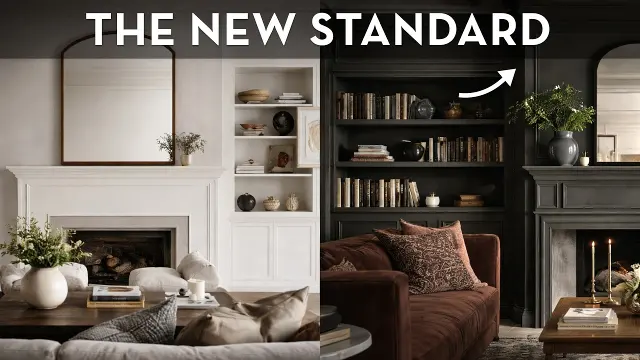
 Deep dive into the modern heritage and new traditional interior style
#Traditional Decor
1 ideas
Deep dive into the modern heritage and new traditional interior style
Get new #Traditional Decor ideas by email
Every Thursday: the week's best ideas, with the newest from #Traditional Decor.
Related tags
Traditional Decor: Timeless Home Style
Traditional decor is a broad style of interior design inspired by the long-standing furnishing and decorating traditions of Europe and other classic home styles. It usually draws on symmetry, balanced proportions, refined details, and a sense of comfort that feels familiar rather than experimental. If you like rooms that feel settled, elegant, and lived-in, traditional decor may suit you well.
What traditional decor means
At its heart, traditional decor is about continuity. It often takes cues from historic interiors, formal drawing rooms, and well-made furniture that has stood the test of time. The style is less about one exact look and more about a shared mood: polished, orderly, and classic. You’ll often see matching pairs, coordinated color schemes, and pieces that feel substantial rather than temporary.
Traditional decor can be formal or relaxed. Some homes lean toward richer fabrics, ornate details, and deeper colors, while others keep the same basic structure but use lighter shades and simpler finishes. What ties it together is a sense of balance and a respect for classic shapes.
Read more
Common features
Traditional interiors often include:
- Symmetrical room arrangements
- Wood furniture with carved or turned details
- Upholstered sofas and chairs with classic lines
- Layered textiles such as curtains, rugs, and cushions
- Decorative moldings, frames, or paneling
- Lamps, mirrors, and accessories with timeless shapes
Color palettes are often soft and harmonious, with creams, warm neutrals, muted blues, greens, reds, or browns. Patterns such as florals, stripes, checks, paisleys, and damasks are common, especially in fabrics and wallpapers.
Styles within traditional decor
Traditional decor includes several related looks. You might notice:
- Formal traditional, which feels elegant and composed
- Rustic traditional, with a warmer, more relaxed character
- English country or similar cottage-inspired versions, which use pattern and coziness
- Classic European-inspired interiors, with graceful furniture and detailed finishes
These styles share the same foundation, but the mood can shift depending on color, fabric, and furniture choices.
How to create the look
If you’re starting from scratch, begin with the larger pieces. Choose a sofa, dining table, or bed with a classic silhouette, then build around it with coordinated accessories and textiles. Traditional decor works best when the room feels unified, so avoid mixing too many competing styles.
A few practical tips:
- Use symmetry to bring calm to a room
- Choose quality over quantity
- Mix smooth surfaces with textured fabrics for depth
- Keep colors related so the room feels cohesive
- Add personal items, but edit them carefully
Good to know
Traditional decor does not have to feel old-fashioned or heavy. You can make it lighter by using pale walls, simpler curtains, and fewer decorative objects. You can also make it feel warmer by adding wood, soft lighting, and layered fabrics. The key is to keep the room balanced and comfortable.
For beginners, the easiest approach is to start with a calm color palette, a few classic furniture pieces, and one or two patterns used consistently. Over time, you can add layers that make the space feel more personal, without losing its timeless character.
Videos come from YouTube and posts from Instagram; titles and summaries are our own. All rights belong to their creators.