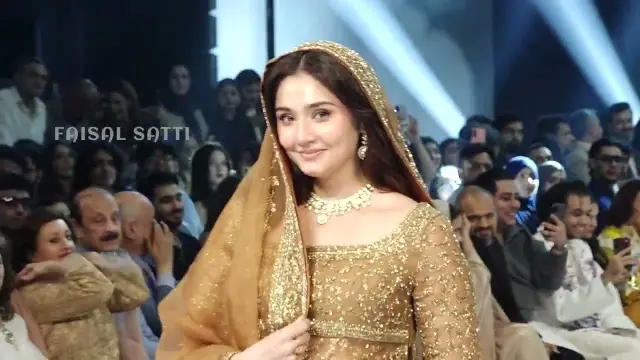
 Luxury Couture Heritage Collection Runway Fashion Show
#Traditional Wear
1 ideas
Luxury Couture Heritage Collection Runway Fashion Show
Get new #Traditional Wear ideas by email
Every Thursday: the week's best ideas, with the newest from #Traditional Wear.
Related tags
Traditional Wear: Heritage Clothing and Styling
What traditional wear means
Traditional wear is clothing that reflects the customs, history, and identity of a place, community, or family. It often grows out of practical needs such as climate, work, ceremony, and social rules, then becomes a visible part of cultural memory. Some pieces are worn every day, while others are reserved for festivals, weddings, religious events, and formal gatherings.
Traditional wear can be simple or highly decorated, but it usually carries meaning beyond style alone. Fabrics, colors, embroidery, draping, and accessories may signal region, age, marital status, or occasion. In many cultures, traditional dress is also a way of showing respect and belonging.
Common forms and styles
Read more
There is no single kind of traditional wear. It varies widely from country to country and even from village to village. Some examples include tailored garments, wrapped cloths, layered outfits, tunics, skirts, jackets, headdresses, and ceremonial jewelry. Some traditions favor woven textiles, while others are known for embroidery, dyeing, beading, or hand-painted details.
A few broad categories are common:
- Everyday traditional clothing, designed for comfort and regular use
- Ceremonial clothing, worn for weddings, religious observances, and rites of passage
- Regional dress, which may be associated with a specific area or community
- National dress, which often represents a country in a broader cultural sense
Even when styles look similar, the details can be very important. A sash, head covering, fold, or motif may have a specific meaning. If you are choosing traditional wear from a culture that is not your own, it helps to learn the background first so you can wear it respectfully.
Materials, craft, and technique
Traditional wear is often shaped by local materials and long-established handwork. Natural fibers such as cotton, wool, silk, linen, and plant-based textiles are common in many traditions. Construction methods may include weaving, hand embroidery, pleating, dyeing, applique, knitting, or tailoring by hand.
These garments are often made to last and to be repaired, altered, or passed down. That is one reason traditional wear can feel especially personal. It may carry family history, craftsmanship, and memory from one generation to the next.
How to wear it well
If you are new to traditional wear, start by understanding the occasion. Some outfits are meant to be formal, while others are relaxed and everyday. Fit matters too: a garment should allow you to move comfortably and be worn in a way that suits the custom it comes from.
A few practical tips:
- Learn how the garment is meant to be put on and adjusted
- Choose accessories that match the tradition without overwhelming it
- Pay attention to modesty, draping, and head coverings when required
- Care for delicate fabrics gently and store them properly
- When possible, buy from makers who understand the tradition and its craft
Why traditional wear still matters
Traditional wear keeps cultural knowledge visible. It links clothing to identity, ceremony, and place, while also showing how communities adapt old forms to new lives. Whether you wear it often or only for special moments, traditional dress can be a meaningful way to honor heritage and carry it forward with care.
Videos come from YouTube and posts from Instagram; titles and summaries are our own. All rights belong to their creators.