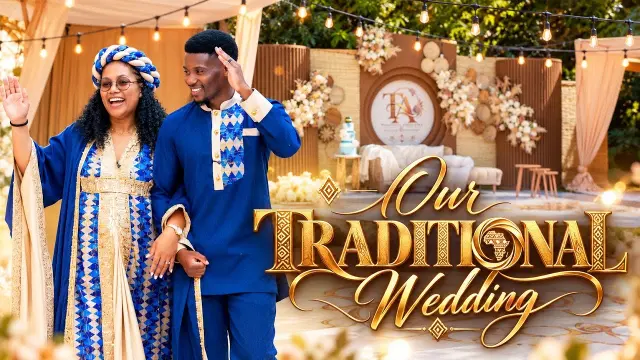
 A Joyful Zimbabwean Traditional Wedding Celebration and Decor
#Traditional Wedding
4 ideas
A Joyful Zimbabwean Traditional Wedding Celebration and Decor
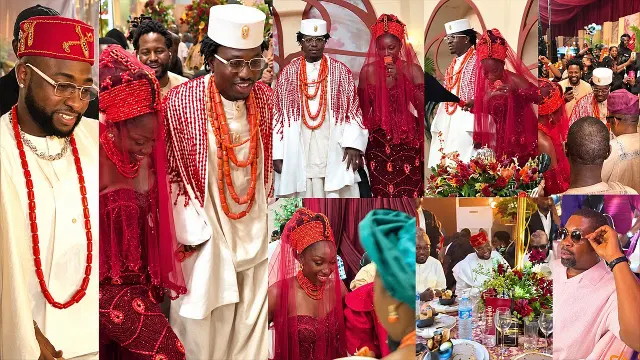 Zlatan Ibile And Davita Traditional Wedding Celebration
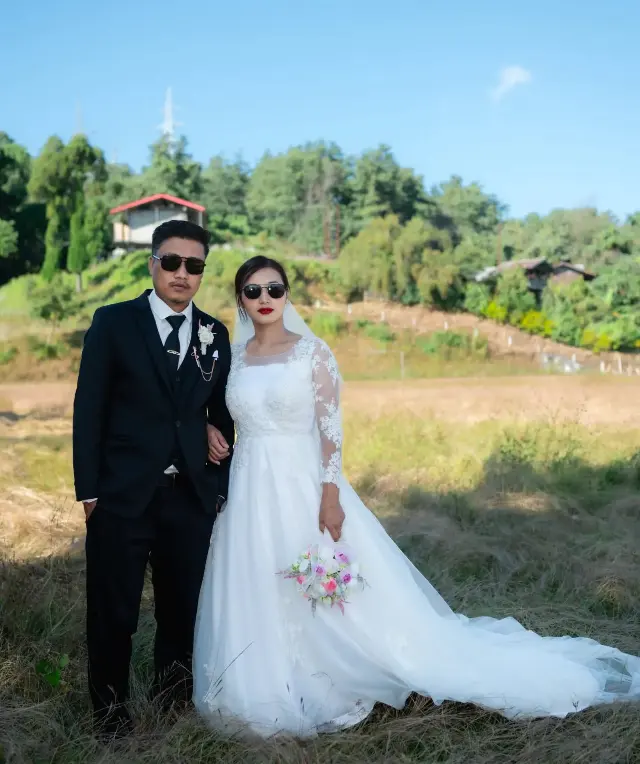 Nagaland Traditional Wedding Couple
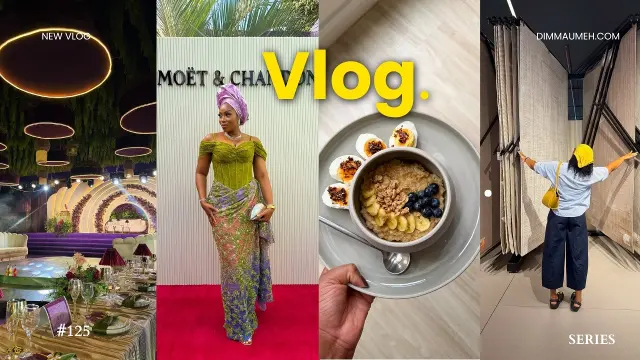 Traditional Nigerian Wedding and Morning Prep Vlog
Get new #Traditional Wedding ideas by email
Every Thursday: the week's best ideas, with the newest from #Traditional Wedding.
Related tags
Traditional Wedding Traditions and Ideas
A traditional wedding is a marriage ceremony shaped by the customs, rituals, clothing, music, and family practices of a particular culture or community. It is usually more than a legal or ceremonial event. For many people, it is a way to honour ancestry, bring families together, and begin married life with blessings, shared symbols, and familiar rites.
What a traditional wedding means
Traditional weddings vary widely around the world, but they often share the same purpose: to mark marriage in a way that feels rooted in heritage. Some ceremonies are simple and intimate, while others are rich in ritual, dress, food, dancing, and formal exchange. In many cultures, the wedding is not only about the couple. It also recognises parents, elders, and extended family, who may take active roles in the ceremony.
Because traditions differ from place to place, there is no single correct way to have a traditional wedding. Some couples follow long-standing customs exactly. Others blend family traditions with personal choices. What matters most is that the ceremony reflects the values and identity of the people involved.
Read more
Common elements
Traditional weddings often include some of these features:
- Special clothing or ceremonial attire
- Family introductions or blessing rituals
- Exchange of gifts, vows, or symbolic items
- Music, dance, or drumming
- A shared meal or feast
- Elder involvement or formal permission from families
- Prayer, libation, or other cultural observances
These elements may appear in different forms depending on religion, region, and family background. In some weddings, the ceremony is highly formal. In others, it feels warm, celebratory, and relaxed.
Styles and cultural differences
Traditional wedding styles can be broadly understood as family-based, religious, or community-based, though many weddings combine all three. Some emphasise dress and procession. Others focus on ritual speech, sacred readings, or the joining of families through symbolic acts. In many cultures, the bride and groom may wear garments that represent status, heritage, or marital intention. Colour, fabric, jewellery, and headwear can all carry meaning.
If you are drawn to a traditional wedding, it helps to learn the customs behind it. Ask older relatives, community leaders, or family members who know the traditions well. This can help you avoid mistakes and choose details with respect.
Planning with care
If you are planning a traditional wedding, start with the customs that matter most to you and your family. Decide which parts are essential and which ones can be adapted. Some useful questions are:
- Which traditions should be included?
- Who will lead or witness the ceremony?
- What clothing is appropriate?
- Are there prayers, readings, or rituals to prepare?
- Will there be a reception, and what food or music fits the occasion?
It is also wise to think ahead about timing, dress changes, seating for elders, and any items needed for the ceremony. Traditional weddings often involve many moving parts, so clear communication helps the day feel calm and meaningful.
A timeless celebration
At its heart, a traditional wedding is about continuity: linking the past with the future through marriage. Whether the ceremony is elaborate or quiet, the most lasting part is the sense of belonging it creates. When you approach it with respect, patience, and openness, you can create a celebration that feels both deeply personal and faithfully traditional.
Videos come from YouTube and posts from Instagram; titles and summaries are our own. All rights belong to their creators.