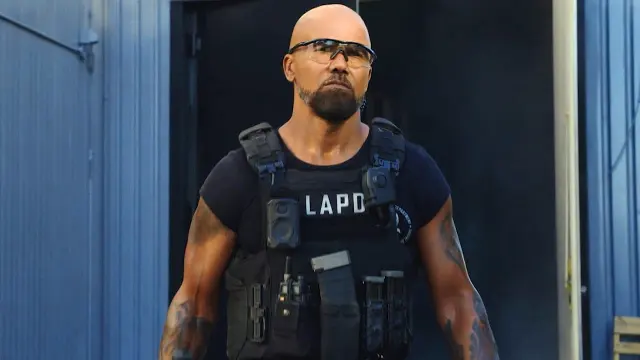
 S.W.A.T. Exiles Season 1 Official Trailer
#Trailer
1 ideas
S.W.A.T. Exiles Season 1 Official Trailer
Get new #Trailer ideas by email
Every Thursday: the week's best ideas, with the newest from #Trailer.
Related tags
Trailer: A Guide to Film and TV Previews
A trailer is a short piece of filmed promotion for a film, television series or game, assembled from footage of the finished work and shown before its release. Its job is simple: to tell you what the story is, who is in it and why it might be worth your time, in roughly one to three minutes. Almost everyone has formed an opinion about a film long before seeing it, and that opinion usually comes from a trailer.
The name has a straightforward origin. In the early days of cinema, short promotional films were screened at the end of a programme, after the main feature, so they literally trailed it. Exhibitors soon realised that audiences drifted out during the credits, and the previews were moved to the front, where they have stayed. The word stuck even after the position changed.
Trailers come in several recognisable kinds. The teaser is the shortest and vaguest, often released a year or more ahead of a film, designed to announce that something exists without revealing much. The full trailer follows closer to release and lays out the premise, the cast and the tone. International trailers are cut for other markets and sometimes contain different footage. Featurettes are longer, interview-led pieces that go behind the scenes, and clips are single scenes released in the final weeks. For television, a similar hierarchy runs from a brief announcement to a season trailer to episode previews.
The craft behind them is more involved than it looks. Editors work from footage that is often unfinished, with visual effects still in progress, and they cut to a strict brief from the studio. Music is central: a score written or licensed for the trailer does much of the emotional work, and the rhythm of cuts is usually timed to it. Voice-over narration, once almost universal, has become optional; many modern trailers rely on dialogue and silence instead. Titles, sound design and colour grading are all tailored to the trailer rather than the film.
Read more
If you enjoy them, it helps to read a little critically. A trailer is an argument, not a summary: it selects the most striking moments and arranges them to build curiosity, and it may imply a story different from the one the film actually tells. Footage can be reordered, removed or invented for the preview alone. For this reason some viewers deliberately avoid the full trailer of a film they already intend to see, preferring a teaser or nothing at all, so that the surprises survive.
For anyone curious about the form itself, watch a few trailers with the sound off and notice how much the images alone tell you, then again with sound to see how much the music is doing. Look at where the cuts fall, when the title appears and whether the ending is a joke, a shock or a question. A good trailer is a small piece of filmmaking in its own right, and worth watching as one.
#Trailer: frequently asked questions
Why are trailers called trailers if they play before the film?
The name comes from early cinema, when short promotional films were screened after the main feature — they literally trailed it. Exhibitors noticed audiences leaving during the credits and moved the previews to the front of the programme, but the word stayed. So the label describes where trailers used to sit, not where they sit now.
What is the difference between a teaser and a full trailer, and which should I watch?
A teaser is short and deliberately vague, announcing that something exists without giving away the plot, while a full trailer lays out the premise, the cast and the tone of the finished work. If you already know you want to see something, a teaser is usually the safer choice; if you are still deciding, the full trailer tells you far more about what you would actually be watching. Longer featurettes and single-scene clips sit further along the same scale, closer to release.
What does it take to put a trailer together?
It is real filmmaking in miniature: an editor cuts from footage that is often unfinished, with effects still in progress, working to a brief set by the studio. Music does much of the emotional work, and the rhythm of the cuts is usually timed to it, with titles, sound design and colour grading tailored to the preview rather than the film. Narration was once standard but is now optional, since many modern trailers lean on dialogue and silence instead.
How do I watch a trailer more critically?
Start by watching one with the sound off and notice how much the images alone tell you, then watch it again with sound to hear how much the music is carrying. Pay attention to where the cuts fall, when the title appears, and whether the ending is a joke, a shock or a question. Reading trailers this way turns them from advertising into a small craft you can appreciate on its own terms.
Can a trailer show things that are not in the film?
Yes — a trailer is an argument rather than a summary, so footage can be reordered, cut or even invented for the preview alone. It selects the most striking moments and arranges them to build curiosity, which means the story it implies may differ from the one the finished work tells. Treat it as a persuasive pitch and you will be misled far less often.
Should I skip the trailer for a film I already plan to see?
Many viewers do exactly that, choosing a teaser or nothing at all so the surprises survive to the screening. Since full trailers tend to reveal key scenes and turns, the more certain you are of seeing something, the less you actually need from its preview. It is a reasonable trade: a little less anticipation in exchange for a better first viewing.
Videos come from YouTube and posts from Instagram; titles and summaries are our own. All rights belong to their creators.