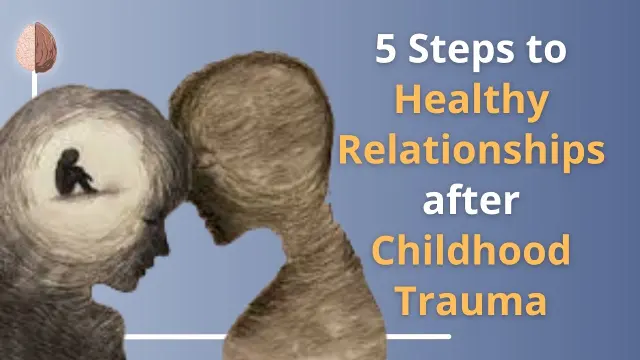
 Healing Childhood Trauma to Build Healthy Attachment Relationships
#Trauma Recovery
1 ideas
Healing Childhood Trauma to Build Healthy Attachment Relationships
Get new #Trauma Recovery ideas by email
Every Thursday: the week's best ideas, with the newest from #Trauma Recovery.
Related tags
Trauma Recovery: A Gentle Guide to Healing
Trauma is the response that can follow a deeply distressing experience — an accident, violence, loss, abuse, a sudden loss of safety. It is not a sign of weakness, and it is not something a person chooses. What makes an event traumatic is less about the event itself than about how overwhelming it felt and how much support was available afterwards. Two people can go through the same thing and be affected very differently.
Recovery is not a single moment of being "fixed". It is usually a slow, uneven process of regaining a sense of safety, of being able to feel and regulate emotions, and of reconnecting with other people and with ordinary life. Progress is rarely a straight line; difficult days after good ones are normal and not a failure.
How trauma can show up
Trauma lives in the body and the nervous system as much as in memory. Common experiences include:
Read more
- Feeling constantly on guard, jumpy, or unable to relax
- Intrusive memories, nightmares, or flashbacks
- Numbness, detachment, or difficulty feeling present
- Avoiding places, people, or conversations that bring it back
- Shame, self-blame, or a changed sense of who you are
- Sleep and concentration difficulties, irritability, exhaustion
These are understood as adaptations — the mind and body trying to protect you — rather than defects.
Approaches that help
There is no single right route. Many people benefit from talking therapies, including trauma-focused approaches guided by a trained professional; some find body-based work, such as gentle movement, breathing practice, or grounding exercises, supportive alongside it. Others draw on peer support, creative work, faith communities, or writing. What helps is highly individual, and it is reasonable to try more than one thing.
Grounding is a widely used everyday skill: when a memory pulls you out of the present, deliberately noticing what you can see, hear, touch, and feel around you can help bring you back.
What beginners should know
Go at a pace you can tolerate. Recovery work can bring difficult material close to the surface, so it is wise to have support in place rather than pushing through alone. You are allowed to pause, to say no, and to change direction. Healing is not linear progress toward a finish line; it is a gradual widening of the life you can live.
Practical things that often help: regular sleep and meals, movement you enjoy, time outdoors, limiting alcohol, and staying connected to at least one person you trust. Small, repeatable routines build a sense of predictability that a shaken nervous system finds soothing.
Be patient with yourself. Recovering from trauma is real work, and needing help with it is ordinary. If distress feels unmanageable, reaching out to a qualified professional is a sensible next step, not a last resort.
#Trauma Recovery: frequently asked questions
How do I even start recovering from trauma?
Start smaller than feels impressive: steady sleep and meals, some movement you actually enjoy, time outdoors, and staying in touch with one person you trust. Those small repeatable routines give a shaken nervous system a sense of predictability to lean on. From there, add support rather than pushing through alone, since recovery work can bring difficult material close to the surface.
Do I have to choose one approach and stick with it?
No — there is no single right route, and trying more than one thing is reasonable. Talking with a trained professional, gentle body-based work such as movement or breathing practice, peer support, creative work, or writing all help some people, often in combination. What helps is highly individual, so treat your first attempt as a starting point rather than a commitment.
Is it normal to have bad days after good ones?
Yes, and it is not a sign of failure. Recovery is usually slow and uneven — regaining safety, being able to feel and regulate emotions, and reconnecting with ordinary life rarely move in a straight line. A difficult stretch after a good week is part of the process, not proof that you are going backwards.
What can I do in the moment when a memory pulls me out of the present?
Grounding is the widely used everyday skill here: deliberately notice what you can see, hear, touch, and feel around you to bring yourself back to where you actually are. Breathing practice and gentle movement can support the same effect. Practising it on calm days makes it easier to reach for when you need it.
What mistakes should a beginner watch out for?
The most common ones are going faster than you can tolerate and doing the work without support in place. Another is treating a hard day as evidence that you are doing it wrong, which tends to add shame on top of an already difficult moment. You are allowed to pause, say no, and change direction.
How can I support someone who is going through this?
Being steady and available matters more than saying the right thing — trauma often involves a loss of safety and connection, so reliability is itself helpful. Avoid pressing for details or pushing them toward a fix on your timeline, and let them set the pace. If their distress seems unmanageable, encouraging them to reach out to a qualified professional is a sensible step, not a last resort.
Videos come from YouTube and posts from Instagram; titles and summaries are our own. All rights belong to their creators.