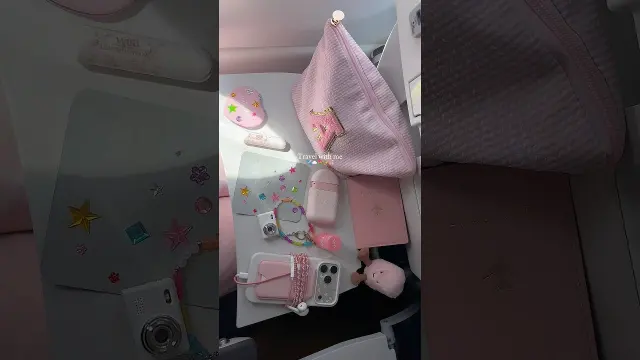
 Morning Travel Vlog Documenting a Long Journey
#Travel Day
1 ideas
Morning Travel Vlog Documenting a Long Journey
Get new #Travel Day ideas by email
Every Thursday: the week's best ideas, with the newest from #Travel Day.
Related tags
Travel Day: Making the Journey Part of the Trip
Travel day is the stretch of time between leaving your usual surroundings and settling into somewhere new. It is not quite everyday life and not quite the holiday yet, and that in-between quality is exactly what makes it worth a little thought. Some people treat it as dead time to be endured; others find it becomes one of the most vivid memories of a trip, simply because everything is unfamiliar and the senses are switched on.
What It Usually Involves
A travel day generally means a journey long enough to need planning: a flight, a train across several regions, a long drive, a ferry, or a combination of these. It includes the parts nobody photographs as well as the ones they do — the early alarm, the queue, the wait, the moment the landscape starts to change. How you handle those hours has a real effect on how the first evening of a trip feels.
Two Ways to Approach It
Read more
Broadly, travellers lean one of two ways. The first is the buffer approach: arrive early, keep the schedule loose, allow generous time for transfers and never book anything tight. It costs waiting but buys peace of mind. The second is the efficient approach: know your route precisely, travel light, move briskly, and use waiting time productively. Both work. What rarely works is mixing them carelessly — cutting it fine while carrying too much, or leaving hours of slack with nothing planned and no way to rest.
Practical Things Worth Doing
- Pack the night before, not the morning. Lay out clothes and documents in one place so the departure is quiet and automatic.
- Keep essentials on you rather than in a checked bag: identification, any medication, a charger, and a layer you might need.
- Wear the bulkiest items rather than packing them, and choose shoes you can walk in for a long time.
- Put a change of clothes and anything you truly need in your hand luggage, in case a bag takes a different route.
- Download what you will want offline — maps, tickets, reading — before you leave, so a weak signal is not a problem.
- Build in slack for the unexpected. Traffic, delays and long queues are ordinary parts of the experience, not disasters.
- Eat and drink before you are desperate. A proper meal and steady water make a long journey far more comfortable.
Looking After Yourself
Travel days are tiring in a specific way: they combine sitting still with alertness, odd hours and unfamiliar food. Move when you can, at the airport or station and on board if it is safe to do so. Sleep if the opportunity appears. Be gentle with yourself if things go wrong — the day will end, and the place you were travelling to will still be there.
For beginners, the most useful lesson is that a travel day is not a test of perfection. Something will always be slightly off: the queue, the seat, the coffee. Accepting that early is the real skill, and it makes the whole journey calmer.
#Travel Day: frequently asked questions
What exactly counts as a travel day?
It is the stretch of time between leaving your usual surroundings and settling in somewhere new, and it usually means a journey long enough to need planning: a flight, a long train ride across regions, a drive, a ferry, or a combination of these. It takes in the parts nobody photographs, from the early alarm and the queue to the moment the landscape starts to change.
How do I start planning a travel day without overthinking it?
Start with the shape of the journey rather than the fine detail: know how you get from door to door and where the uncertain points sit. Then pack the night before and lay documents and clothes out together in the same place, so departure runs on habit instead of panic.
Should I allow plenty of slack or travel efficiently?
Both approaches work, and the trouble usually comes from mixing them carelessly, like cutting it fine while carrying too much. A buffer approach trades waiting for peace of mind, while an efficient one rewards a precise route and light luggage, so choose deliberately and commit to it.
What is worth keeping with me rather than packing away?
Identification, a charger, a layer you might need and a change of clothes belong in your hand luggage, in case a bag takes a different route. Downloading maps, tickets and reading before you leave means a weak signal will not strand you.
How do I look after myself during a long journey?
Move when you can, in the terminal or on board if it is safe to do so, and sleep if the opportunity appears. Eat and drink before you are desperate, since a proper meal and steady water make the hours far more comfortable.
What mistakes do people commonly make?
The familiar ones are leaving packing until the morning, booking transfers too tightly, and treating delays as disasters rather than an ordinary part of the experience. Accepting early that something will always be slightly off, whether the queue, the seat or the coffee, is what keeps the whole day calmer.
Videos come from YouTube and posts from Instagram; titles and summaries are our own. All rights belong to their creators.