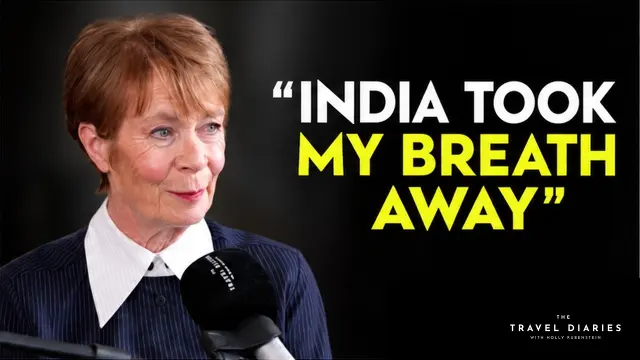
 The Travel Diaries: Celia Imrie on India and Unforgettable Places
#Travel Interview
1 ideas
The Travel Diaries: Celia Imrie on India and Unforgettable Places
Get new #Travel Interview ideas by email
Every Thursday: the week's best ideas, with the newest from #Travel Interview.
Related tags
How to Conduct a Travel Interview That People Want to Read
A travel interview is a conversation about movement — where someone has been, what they noticed, what it changed in them. It sits somewhere between journalism and memoir: a person describes a place through their own memory, and the interviewer's job is to make that vivid and honest rather than grand. The form is old. Travellers have been questioned about their journeys for as long as they have written them down, and the same instinct drives it now — we want to hear a place from someone who was actually there, not from a brochure.
What makes the format work
Travel talk turns abstract whenever it stays on the itinerary. The best interviews move quickly past "what did you see" into "what surprised you", "what did you get wrong", "what do you do differently now". Detail is the engine: the smell of a market at dawn, the bus that never came, the meal someone was handed by a stranger. Ask for the small thing and the large thing tends to arrive with it.
The main shapes
Read more
- First-person profile: one traveller, one journey, told roughly in order. Good for depth and atmosphere.
- Expert conversation: a guide, historian, chef or long-term resident explains a place. Good for context and accuracy.
- The quick questionnaire: short set questions asked of many people — favourite city, worst journey, one piece of advice. Useful for variety and comparison.
- Round-table or paired interview: two people who travelled together or disagree about a place, which produces friction and, often, the most quotable passages.
Preparing well
Research the person, not just the destination. Read or listen to what they have already said so you don't ask it again. Write more questions than you need and mark which ones you would happily lose. Begin with something easy and concrete to settle the nerves — theirs if not yours — and hold the personal questions until the middle, when trust has had time to form.
Conducting it
Listen more than you speak, and let silence do some work; people often fill it with the sentence you actually wanted. Follow the interesting tangent instead of the plan. When someone gives you a list of highlights, ask what the worst hour was — that tends to open the room. Avoid yes-or-no questions, and avoid leading ones that invite a person to perform enthusiasm they may not feel.
Writing it up
Keep their voice: the odd phrase, the way they order a sentence. Cut your own questions down to the minimum needed for sense, or fold them into the narrative. Correct facts, not personality. Check names, spellings and practical details with the person before publishing, and be careful with anything they said in passing that could identify someone else or embarrass a host.
Advice for beginners
Interview people whose travel is ordinary as well as extraordinary — a relative who emigrated, a friend who took one long trip, someone who has never left. Curiosity, not glamour, is the qualification. Record with permission, take notes on what the recording can't hold, and write while the conversation is still warm in your head.
#Travel Interview: frequently asked questions
How do I start doing travel interviews if I have no journalism background?
Begin with someone whose journey genuinely interests you rather than with someone famous — a relative who moved abroad, a friend who took a long trip, even a person who has never left home and can describe their own street in detail. Curiosity is the only real qualification, so read or listen to what they have already said, then ask them a simple, concrete opening question to settle everyone's nerves. Record with permission and write the piece up while the conversation is still fresh in your mind.
What should I prepare before the conversation?
Research the person, not just the destination: knowing what they have already said keeps you from asking it again and signals that you listened. Write more questions than you can possibly use, and mark the ones you would be happy to abandon so you stay flexible. Have an easy factual opener ready, and save the personal, revealing questions for the middle once a little trust has built up.
Which format of travel interview should I choose?
It depends on what you want the piece to do: a single traveller narrating a journey gives depth and atmosphere, while a guide or long-term resident gives context and accuracy. A short set questionnaire asked of many people is useful when you want variety and easy comparison, and pairing two people who travelled together or disagree about a place produces friction and often the best lines. Pick the shape that matches the material rather than forcing every conversation into the same one.
How do I get past the itinerary and into something memorable?
Ask about the small things — the market at dawn, the bus that never arrived, the meal a stranger handed them — because concrete detail usually carries the larger insight along with it. When you get a list of highlights, ask instead about the worst hour of the trip, which tends to open people up. Questions like what surprised them or what they got wrong work far better than what they saw.
What mistakes do beginners make most often?
The usual ones are yes-or-no questions, leading questions that invite a person to perform enthusiasm they may not feel, and talking too much out of nervousness. Sticking rigidly to the question list is another, since the interesting tangent is often where the real material sits — and silence is worth leaving room for, because people fill it with the sentence you were hoping for. In the writing, the common slip is tidying away the person's own phrasing, when the odd word or sentence order is what makes the piece sound like them.
How should I write it up and check it afterwards?
Keep their voice intact and cut your own questions down to the bare minimum, or fold them into the narrative so the piece reads as a story rather than a transcript. Correct facts and practical details, not personality, and confirm names and spellings with the person before publishing. Be careful with anything said in passing that could identify someone or embarrass a host.
Videos come from YouTube and posts from Instagram; titles and summaries are our own. All rights belong to their creators.