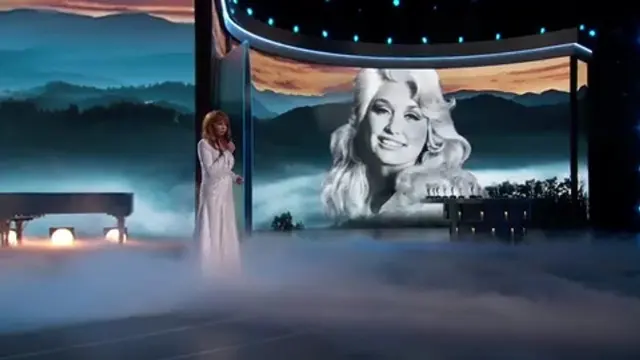
 Sally Field and Reba McEntire Tribute Dolly Parton at the Emmys
#Tribute
1 ideas
Sally Field and Reba McEntire Tribute Dolly Parton at the Emmys
Get new #Tribute ideas by email
Every Thursday: the week's best ideas, with the newest from #Tribute.
Related tags
How to Write a Tribute That Truly Honors Someone
A tribute is an expression of honor, gratitude and respect offered to a person, a group or an event. The word comes from the Latin tributum, a payment or offering made in acknowledgment of something owed — a sense that we owe a debt of recognition, and a tribute is how we pay it. What began as a formal gesture has become one of the most personal things people make: a speech at a wedding, a eulogy at a funeral, a song performed by a friend, a toast raised in a crowded room.
The many shapes of a tribute
Tributes take whatever form the moment allows. A eulogy or memorial speech remembers someone who has died. A toast at a wedding or anniversary celebrates a couple or a parent. A tribute performance — a song, a dance, a reading — honors an artist by interpreting their work. A written piece, a letter, a photo album or a short film can carry the same intention. Institutions offer tributes too, naming a scholarship or a hall after someone whose contribution they want remembered.
What makes one memorable
Read more
The best tributes are specific. They do not describe a person in adjectives; they show them in moments. The way she answered the phone. The meal he cooked every Sunday. The advice repeated so often it became a family saying. Specificity is what convinces an audience that you knew this person, and it is what the subject themselves, if present, will recognize as true.
Honesty matters as much as warmth. A tribute is not a whitewash. Audiences trust a portrait that admits difficulty, and a tribute that acknowledges a whole person carries more weight than one made only of praise.
Writing your own
Start with a single memory rather than a summary of a life. Write it out in plain language, then ask yourself what it revealed about the person — patience, humor, stubbornness, generosity. That quality becomes the thread. Choose two or three scenes that share it, and let them build toward what you want to say.
Read the draft aloud. Spoken language is shorter and simpler than written language, and sentences that look graceful on the page can be hard to say. Cut anything you are keeping only because it sounds impressive.
If you are speaking rather than writing, keep it brief and speak slowly. Emotion is not a failure of composure; a pause is always better than rushing. If the tribute is for someone who cannot hear it, remember that you are also speaking to everyone who loved them, and that they need the details too.
Practical care
Ask the family or the guest of honor beforehand whether there are subjects to avoid, and respect their answer. Keep other people's secrets out of it. If humor feels natural to the person being honored, use it — a shared laugh often honors someone better than solemnity can. And keep a copy of what you wrote. A tribute given away in a moment becomes, later, something the people left behind read again.
#Tribute: frequently asked questions
How do I start writing a tribute for someone?
Begin with one concrete memory rather than trying to sum up a whole life. Write that scene in plain words, then notice what it shows about the person — their humor, patience or stubbornness — and use that quality as the thread that ties your piece together.
What should I keep in mind when I'm delivering a tribute out loud?
Speak more slowly than feels natural and plan to pause when emotion surfaces, since a pause lands far better than rushing through. Read your draft aloud while preparing, because sentences that look elegant on paper often become awkward to say.
Is it acceptable to include humor in a tribute?
Yes, when laughter genuinely fits the person being honored — a shared joke often honors someone more warmly than unbroken solemnity. The test is whether the humor comes from real affection rather than from performing for the room.
How do I decide which form my tribute should take?
Let the occasion choose for you: a memorial calls for spoken remembrance, a wedding or anniversary for a toast, and a milestone for a letter, album or short film. The form matters far less than the specificity inside it, so pick whatever you can actually finish and deliver well.
What mistakes should I avoid when honoring someone?
Two common ones are describing a person only in adjectives instead of showing them in moments, and flattening them into pure praise that no one quite believes. Check with the family or guest of honor about subjects to steer clear of, and leave out other people's private stories.
Should I keep a copy of a tribute after I've given it?
Definitely — a piece written for a single moment becomes something the people left behind return to for years. Save the written version somewhere you can find it again, since what felt like a fleeting speech is often what others treasure most.
Videos come from YouTube and posts from Instagram; titles and summaries are our own. All rights belong to their creators.