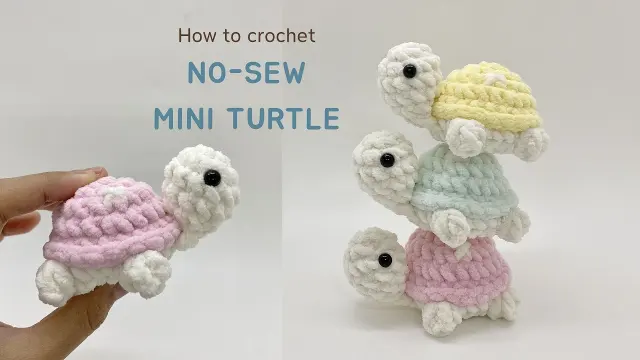
 Step-by-Step Tutorial for a No-Sew Crochet Mini Turtle
#Turtle
1 ideas
Step-by-Step Tutorial for a No-Sew Crochet Mini Turtle
Get new #Turtle ideas by email
Every Thursday: the week's best ideas, with the newest from #Turtle.
Related tags
Turtles: Types, Traits, and Care Basics
Turtles are reptiles known for their hard shells, slow movements on land, and long lives. They belong to an ancient group of animals that has existed for millions of years, and they can be found in many parts of the world. Some live mostly on land, some spend most of their time in water, and some move between both. Their shell is part of their skeleton, which gives them protection and a distinctive shape that makes them easy to recognise.
What turtles are
A turtle’s shell has two parts: the upper shell and the lower shell. It is made of bone covered by a protective outer layer. Turtles breathe air and are cold-blooded, which means they depend on their surroundings to help regulate body temperature. Because of this, they often bask in the sun or seek shade and shelter as needed.
Turtles are not the same as tortoises, although the words are sometimes used loosely. Tortoises are land-dwelling turtles with sturdy legs and rounded shells, while many other turtles are adapted for swimming and life in or near water.
Read more
Main kinds of turtles
There are several broad kinds of turtles:
- Land turtles, often called tortoises, which graze on plants and live on dry ground.
- Freshwater turtles, which live in ponds, lakes, rivers, and marshes.
- Sea turtles, which spend much of their lives in the ocean and come ashore only for nesting.
These groups differ in body shape, diet, and movement. Aquatic turtles usually have webbed feet or flippers for swimming, while land-dwelling turtles have stronger legs for walking and digging.
What turtles eat
Turtle diets vary widely. Some species eat mostly plants, some eat insects, worms, fish, or other small animals, and others are omnivores that eat a mix of both. A turtle’s natural diet depends on its species and habitat. If you are caring for a pet turtle, it is important to learn the exact needs of that species rather than guessing. Fresh water, a suitable enclosure, and a balanced diet are all essential.
Basic care for pet turtles
If you are thinking about keeping a turtle, start with research. Turtles can live for a long time and often need more specialised care than people expect. They usually need:
- Enough space to move and explore
- Clean water if they are aquatic or semi-aquatic
- A warm area and a cooler area so they can regulate their body temperature
- Access to UVB light or natural sunlight, depending on the species and setup
- A varied diet matched to their species
Good hygiene matters too. Wash your hands after handling a turtle or its habitat, and keep its living area clean to reduce stress and illness.
Things beginners should know
Turtles are not low-effort pets. Many need a carefully designed environment, regular maintenance, and long-term commitment. Before getting one, make sure you understand its adult size, diet, habitat, and lifespan. If you see a wild turtle, it is best to leave it alone unless it is in immediate danger and you know how to help safely.
Turtles are fascinating, resilient animals, and learning about them is a good first step toward appreciating them well.
#Turtle: frequently asked questions
How should I start if I want a pet turtle?
Begin with research rather than shopping: find out how large the species grows, what it eats, what kind of enclosure it needs, and how long it lives. Turtles are a long-term commitment and often need more specialised care than people expect. Only once you know you can meet those needs should you look for one.
What does a turtle need in its setup?
At minimum, room to move and explore, a balanced diet suited to the species, and a temperature gradient so the animal can warm up or cool down as it chooses. Aquatic and semi-aquatic turtles also need clean water, and many species need UVB light or access to natural sunlight. Keeping the habitat clean and washing your hands after handling the turtle or its enclosure matters too.
Which kind of turtle is right for me?
It depends on what you can realistically provide. Land turtles, often called tortoises, need dry ground with space to walk and graze, while freshwater turtles need a pond or tank with clean water, and sea turtles live in the ocean and are not pets at all. Match the animal to your space and routine instead of picking by appearance.
How do I feed a turtle correctly?
Diet varies enormously between species: some eat mainly plants, others take insects, worms or small animals, and many eat a mix. Learn the exact requirements of your species rather than guessing or feeding whatever is convenient. Fresh water alongside the food is just as important.
What mistakes do beginners usually make?
The most common one is assuming a turtle is a low-effort pet that can live in a small bowl with occasional feeding. Others include guessing at the diet, skipping handwashing and hygiene, and picking up wild turtles that would be better left alone. Understanding the adult size, habitat and lifespan beforehand prevents most of these.
Are there turtle-themed craft ideas I can try?
Yes, turtles make a popular motif for small handmade projects, including a no-sew crochet mini turtle that suits beginners and works as a toy or a little decorative piece. Craft versions are a good way to enjoy turtles without taking on the responsibility of a live animal.
Videos come from YouTube and posts from Instagram; titles and summaries are our own. All rights belong to their creators.