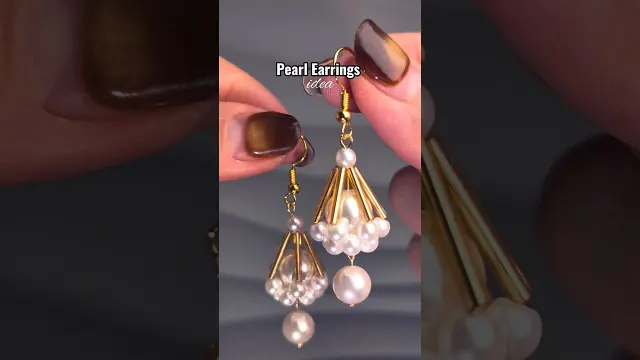
 Pearl Earrings Tutorial
#Tutorial
18 ideas
Pearl Earrings Tutorial
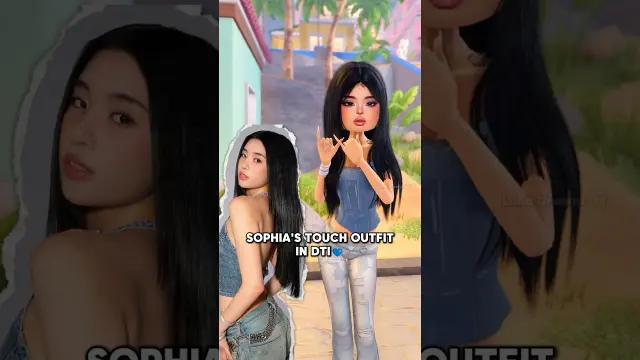 Non VIP Outfit Tutorial for Dress to Impress
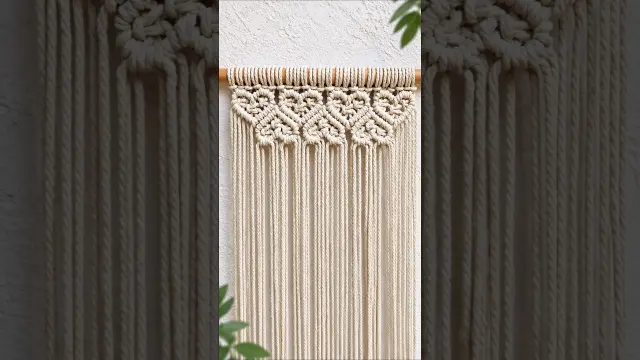 Macrame Lark's Head Knot Tutorial
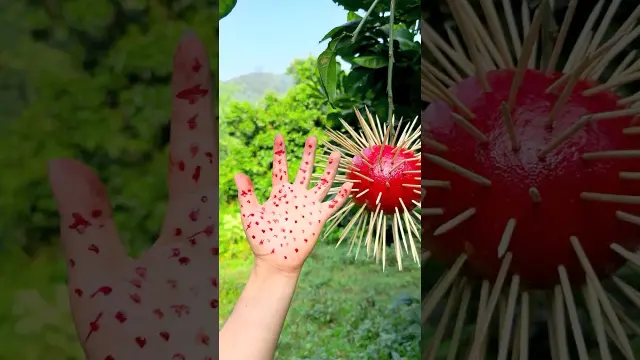 How to Make Decorative Fruit Ornaments for the Holidays
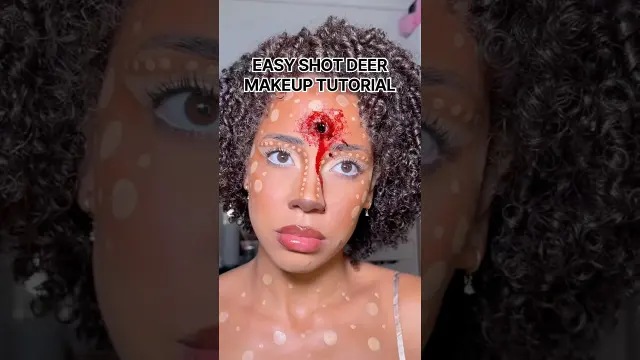 Easy Deer Makeup Tutorial for Halloween
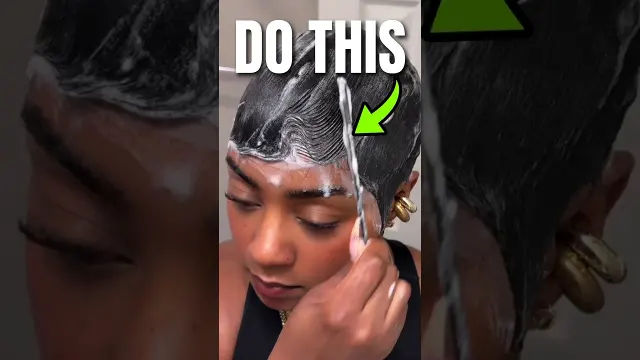 Easy Steps to Mold and Style a Pixie Haircut at Home
 How to Create Skew Transitions Using CapCut
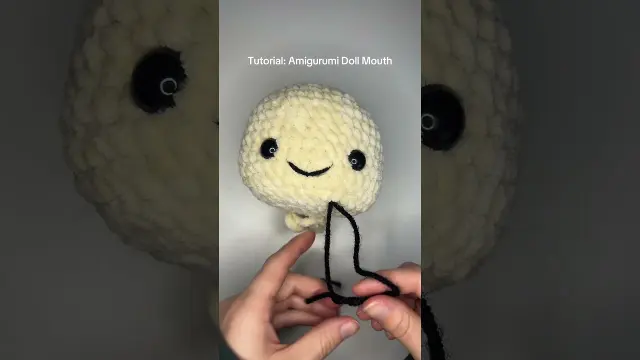 Slowed Down Visual Guide for Sewing Amigurumi Mouths
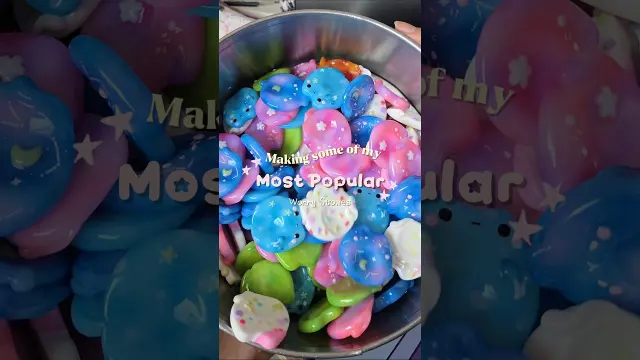 How to Handcraft Popular Ceramic Worry Stones
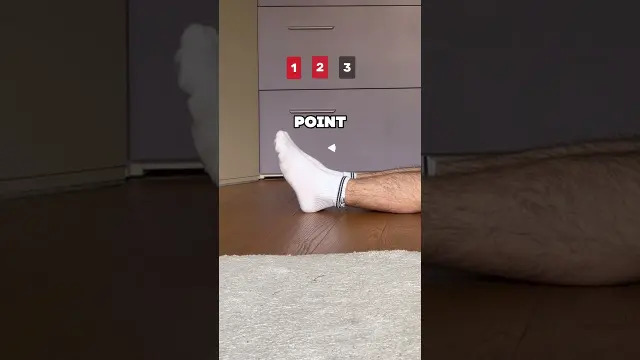 Essential Calisthenics L-Sit Progression Tutorial
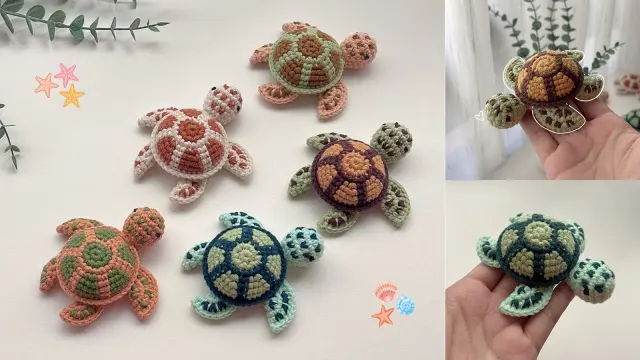 Easy Crochet Sea Turtle Tutorial for Ocean Amigurumi
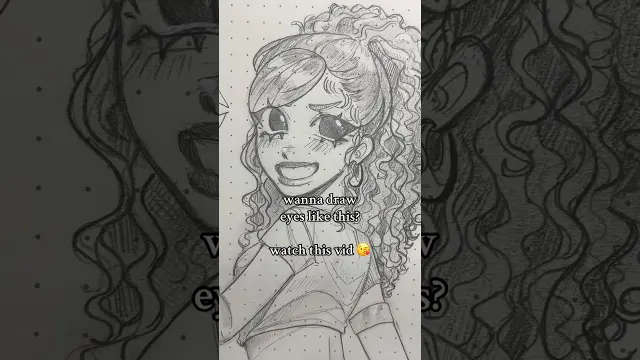 Step by Step Drawing Tutorial for Realistic Eyes
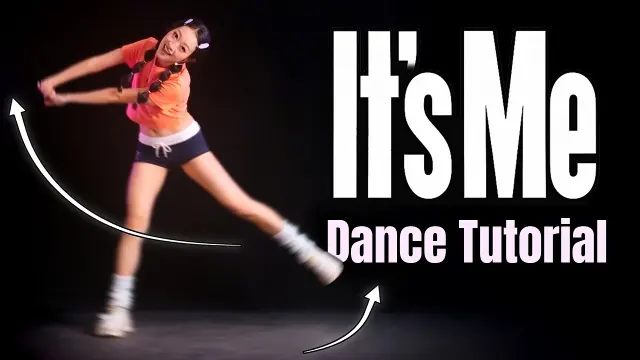 Detailed Step-by-Step Dance Tutorial for ILLIT Its Me
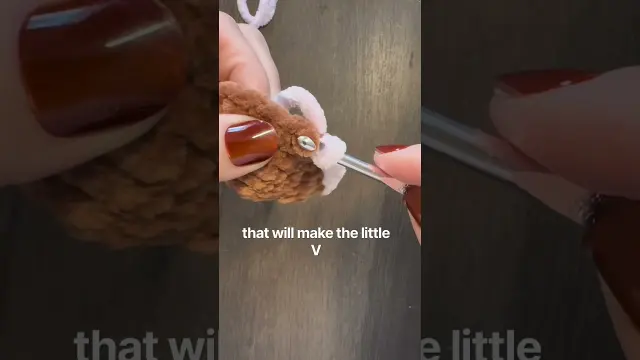 Quick Tip for Cleaner Color Changes in Amigurumi
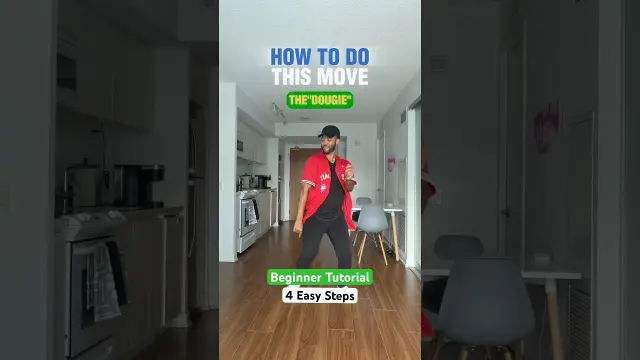 Beginner Friendly Dance Tutorial for the Dougie
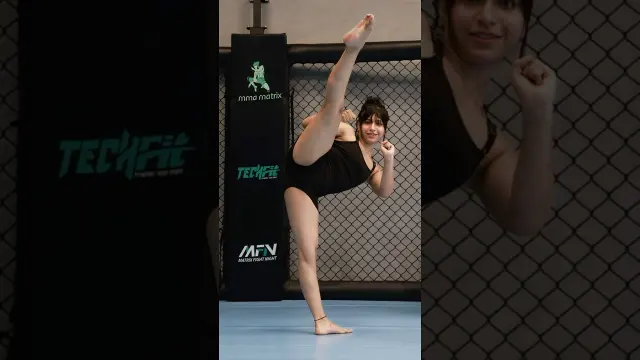 Martial Arts Fake Hook to Roundhouse Kick Tutorial
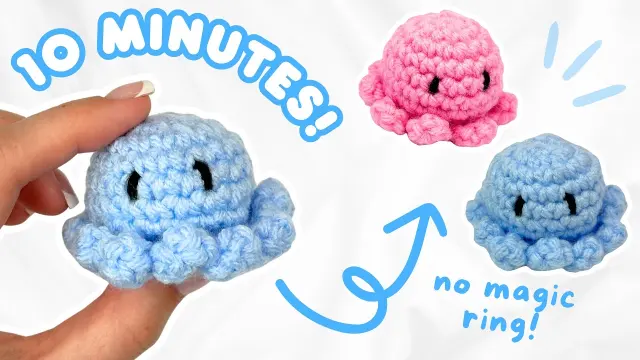 Easy No-Sew Crochet Mini Jellyfish Octopus Tutorial
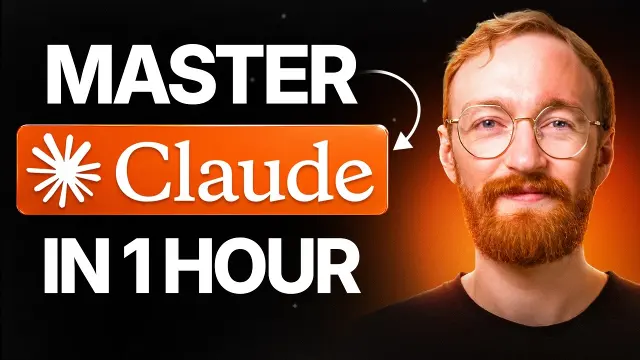 Comprehensive Beginners Guide to Using Claude AI
Get new #Tutorial ideas by email
Every Thursday: the week's best ideas, with the newest from #Tutorial.
Related tags
Tutorial: A Practical Guide to Learning by Doing
What a tutorial is
A tutorial is a guided lesson that shows you how to do something step by step. It can teach a craft, a beauty technique, a recipe, a sewing method, or almost any other practical skill. The word comes from the idea of tutelage, or being shown the way through a process. Tutorials are popular because they make new tasks feel more manageable: instead of guessing, you can follow a clear path from start to finish.
Why tutorials are useful
Tutorials help you learn by doing. They break a task into smaller parts, which makes it easier to understand and remember. That is especially helpful when you are trying something new, such as crochet, makeup, baking, drawing, or home projects. A good tutorial does more than list instructions. It explains the order of the steps, the purpose behind them, and common mistakes to avoid.
Read more
They are also useful when you want to repeat a result. If you liked the outcome of a project, a tutorial can help you recreate it more confidently later. Over time, you may even stop following every step exactly and start adapting the method to suit your own style.
Common kinds of tutorials
Tutorials come in many forms, but most share the same basic structure: an introduction, a list of materials or tools, and step-by-step instructions. Some are very simple and show a single technique. Others guide you through a full project from beginning to end.
You may come across:
- Craft tutorials for sewing, embroidery, crochet, knitting, paper craft, or painting
- Beauty tutorials for makeup, hair styling, or nail care
- Food tutorials for cooking, decorating, or baking
- Home tutorials for organization, cleaning, or decorating
- Digital tutorials for photo editing, design, or apps
Some tutorials are written, while others use photos or video. Visual tutorials are especially helpful for tasks where hand movement, texture, or timing matters.
How to follow a tutorial well
If you are new to a skill, read or watch the whole tutorial once before you begin. That gives you a sense of the full process and helps you spot anything you may need to gather first. Keep your materials nearby, and try not to rush. Many projects are easier when you pause to check your work as you go.
It also helps to remember that a tutorial is a guide, not a test. If a step feels unclear, you can slow down, repeat part of it, or practice on a small sample first. Beginners often improve fastest by trying, observing, and adjusting.
Tips for beginners
- Start with short, simple tutorials before moving on to more complex ones.
- Choose instructions that are clear and well organized.
- Gather all tools and materials before you begin.
- Work in good light and at a comfortable pace.
- Don’t worry if your first attempt is imperfect; learning usually takes practice.
- If possible, save tutorials you like so you can return to them later.
A useful habit for any skill
The best tutorials build confidence as well as technique. They show you not only what to do, but how to think through the process. When you use tutorials regularly, you start to notice patterns, improve your judgment, and develop your own style. That is what makes them such a lasting part of learning.
Videos come from YouTube and posts from Instagram; titles and summaries are our own. All rights belong to their creators.