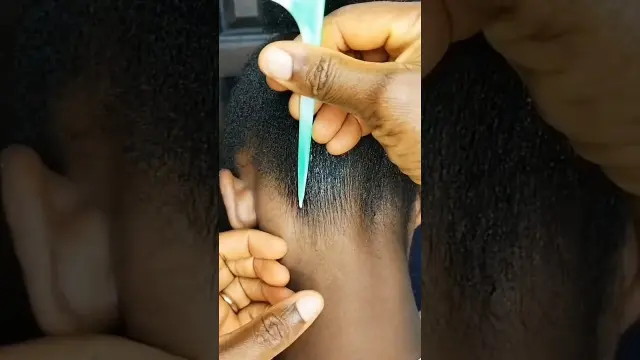
 Twist Hairstyle Tutorial from Joy Beauty TV Hair
#Twists
1 ideas
Twist Hairstyle Tutorial from Joy Beauty TV Hair
Get new #Twists ideas by email
Every Thursday: the week's best ideas, with the newest from #Twists.
Related tags
Twists: A Guide to the Classic Protective Hairstyle
Twists are one of the oldest and most adaptable ways of styling textured hair. The idea behind them is simple: two sections of hair are wound around each other, over and over, until the length of the strand is used up. The result is a rope-like shape that holds its pattern without heat, glue or tools beyond a comb and a pair of hands.
Where they come from
Twisting is a traditional technique across much of Africa and the African diaspora, passed down long before it had a name in styling manuals. In many communities it served a practical purpose as much as a decorative one: a way to keep hair gathered, moisturised and out of the way for days at a time. Today twists sit comfortably between everyday simplicity and dressed-up detail, which is why they keep reappearing in salons, on runways and in the mirror at home.
The main kinds
Read more
Two-strand twists are the foundation. A section of hair is split in two, and the halves are crossed over each other from root to tip. The size of the section decides everything: small sections give fine, precise twists that can be worn loose or pinned up, while larger sections create a fuller, softer look that comes down quickly when you want it.
Flat twists run close to the scalp instead of hanging free. Hair is divided into rows and twisted along the head in lines, spirals or patterns. They are often used as a style in themselves, and they make an excellent base for a twist-out later.
Rope twists and long, extended twists use the same motion but with more length or added hair, producing a thicker, heavier result. Comb coils are a close relative rather than a true twist, formed by rolling a section between the fingers.
What to know before you start
Begin with hair that is clean, and — for most textures — thoroughly moisturised and stretched. Twisting wet, unconditioned hair encourages matting; twisting very dry hair makes the strands brittle and the result frizzy. Detangle fully before you part anything, since knots hidden inside a section are hard to remove once the twist is closed.
Sectioning is where the final look is decided. Work in rows, keep the partings reasonably straight, and be consistent with the size of each section; irregular sections show more than an imperfect twist does.
A word on tension: the twist should sit comfortably on the scalp. If you feel pulling around the hairline, or a headache beginning, the section is too tight. Loosen it and start again. Gentle is also faster to undo.
Living with them
Twists can stay in for a while if you look after them. Cover them at night with a soft cloth to keep friction down, and refresh the scalp and ends with a light oil or leave-in rather than washing aggressively. When it is time to take them down, work with your fingers and a little conditioner instead of pulling, and let the hair rest before the next set. The bonus of taking them out carefully is a twist-out: a soft, defined wave pattern that many people wear as a style in its own right.
#Twists: frequently asked questions
How do I start twists on my own hair?
Begin with clean hair that has been fully detangled, then moisturise and stretch it so the strands are easier to work with. Part the hair into consistent sections before twisting, since neat sectioning shapes the final look more than the twist motion itself.
What do I need to make twists?
You mainly need a comb and your hands, as twists hold their shape without heat or glue. A light oil or leave-in is useful for refreshing the scalp and ends while the style is in.
Which kind of twists should I choose?
Loose hanging twists give a softer, fuller result and can be worn down or pinned up, while flat twists sit close to the scalp and suit patterned styles or a later twist-out. The size of each section also changes the look, with finer sections creating a more precise effect and larger ones feeling softer.
How should I care for twists while wearing them?
Cover them at night with a soft cloth to reduce friction, and refresh the scalp and ends with a little oil or leave-in instead of washing roughly. When taking them down, use your fingers and some conditioner rather than pulling, then let the hair rest before the next set.
What occasion ideas work well for twists?
Twists can be simple enough for everyday wear or dressed up with pinned sections and flat-twist patterns for a more polished look. Taking them out carefully also leaves a soft twist-out that works as a style on its own.
What are common mistakes to avoid with twists?
Twisting wet, unconditioned hair or very dry hair can lead to matting or frizz, so prepare the hair properly first. Uneven sections show more than an imperfect twist, and a style that pulls at the hairline is too tight and should be loosened.
Videos come from YouTube and posts from Instagram; titles and summaries are our own. All rights belong to their creators.