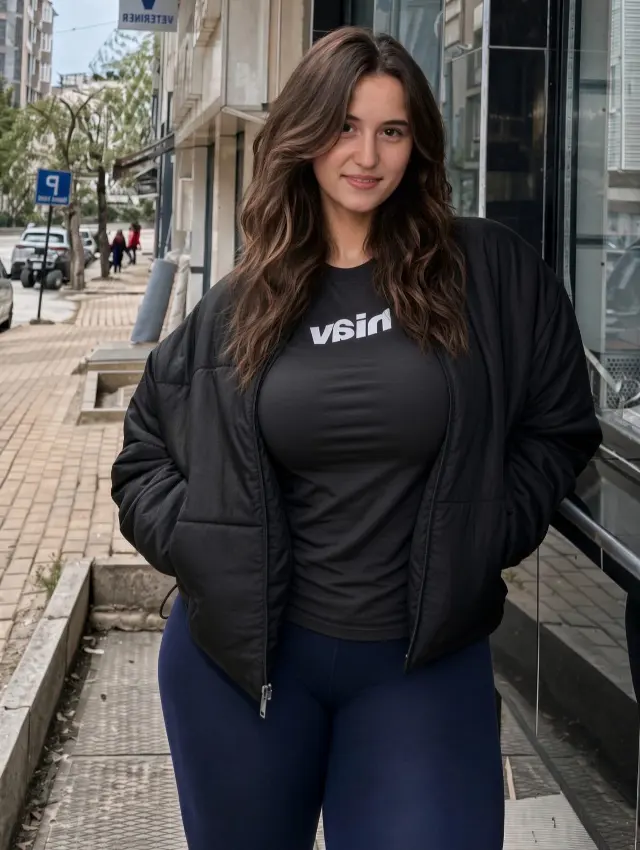
 Urban casual outfit combining comfort and everyday style
#Urban Fashion
1 ideas
Urban casual outfit combining comfort and everyday style
Get new #Urban Fashion ideas by email
Every Thursday: the week's best ideas, with the newest from #Urban Fashion.
Related tags
Urban Fashion: A Guide to Everyday City Style
Urban fashion is the style language of the city. It grows out of the way people actually dress while moving through crowded streets, hopping on transport, sitting in cafés, and going from work to something else entirely. It is less a rulebook than an attitude: clothes that look considered but never fussy, that hold up to a full day and still read as personal.
Where it comes from
The roots of urban style reach into several places at once. Workwear gave it durable fabrics and practical pockets. Sportswear contributed comfort, flexibility and the ease of a trainer. Music and youth cultures added attitude, mixing oversized shapes with unexpected colour. Add tailoring, borrowed from office dress, and you have the basic vocabulary: tough fabrics, relaxed cuts, and a detail or two that shows someone was paying attention.
The main directions
Read more
Urban fashion is not one look. A few recognisable strands:
- Streetwear: sweatshirts, hoodies, loose trousers, sneakers, graphic elements. Comfort first, with layers doing the styling work.
- Smart urban: tailored trousers or good jeans with a simple knit, a structured coat and clean shoes. Quiet, versatile, easy to dress up.
- Utilitarian: cargo pockets, sturdy canvas, work jackets. Practicality worn as an aesthetic.
- Minimal city: a tight palette of neutrals, simple shapes, few accessories, excellent fit.
- Sport-luxe: athletic pieces treated as everyday clothing — a track jacket over tailored trousers, for instance.
Most people blend two or three of these without thinking about it.
What beginners should know
Start with fit, not quantity. A few pieces that genuinely suit your body and your day will do more than a wardrobe full of trends. Build around a base of neutral colours — navy, grey, black, olive, denim blue, off-white — and let one or two items carry colour or character. Invest in the outer layer, since a coat or jacket is what people see first and what keeps an outfit readable across seasons. Shoes matter disproportionately: they set the tone for everything above them.
Practical tips
Think in layers. Cities are unpredictable — warm pavement, cold interiors, sudden rain — and a simple T-shirt, a mid-layer and a jacket handle all of it while giving you three versions of the same outfit. Choose fabrics that tolerate real life: cotton, wool, denim, canvas, linen in warm weather. Wash less, air more, and mend before replacing.
Notice proportion rather than size alone. A roomy top with a narrower bottom, or the reverse, generally reads better than volume everywhere. Keep one element sharp — a crisp collar, a clean hem, polished shoes — and let the rest stay relaxed.
Finally, remember that urban style is observed at walking distance. It is judged in movement, in daylight, in the corner shop. Comfort is not the compromise you make for style; it is part of what makes the look convincing.
#Urban Fashion: frequently asked questions
How do I start building an urban wardrobe?
Start with fit rather than quantity, choosing a few pieces that genuinely suit your body and the way you spend your day. Build them around neutral colours like navy, grey, black, olive, denim blue and off-white, then let one or two items carry the colour or character. Put your budget into the outer layer and shoes, since those set the tone for everything else.
What pieces does an urban outfit actually need?
A workable base is a simple T-shirt or knit, relaxed trousers or good jeans, a mid-layer such as a sweatshirt or overshirt, and a structured coat or jacket for the outer layer. Sturdy sneakers or clean shoes finish it off. From there, a graphic piece or a utilitarian detail like a cargo pocket adds personality without much effort.
Which urban style should I choose?
Pick the direction that matches how you actually move through your day rather than the one that photographs best. If comfort leads, streetwear or sport-luxe suits you; if you need to shift between work and social settings, smart urban or minimal city is more versatile; if you like practical details, utilitarian gives you that. Most people end up blending a couple of these anyway.
How should I care for urban clothing?
Choose fabrics that tolerate real life, such as cotton, wool, denim, canvas and linen in warm weather, and treat them gently. Wash less often, air garments between wears, and mend small damage before it turns into replacement. This keeps the shapes and colours intact and is what makes a wardrobe last across seasons.
How do I put together an urban outfit for a day that goes from work to somewhere else?
Think in layers, because cities are unpredictable from warm pavement to cold interiors to sudden rain. A simple tee, a mid-layer and a jacket give you three versions of the same outfit and handle all of it. Keep one element sharp, like a crisp collar or polished shoes, and let the rest stay relaxed.
What mistakes do beginners make with urban fashion?
The common ones are buying trends instead of fit, and stacking volume on both the top and the bottom so the whole silhouette looks shapeless. Instead, balance proportion, pairing a roomy top with a narrower bottom or the reverse. A close second is treating comfort as a compromise, when it is actually part of what makes the look convincing at walking distance.
Videos come from YouTube and posts from Instagram; titles and summaries are our own. All rights belong to their creators.