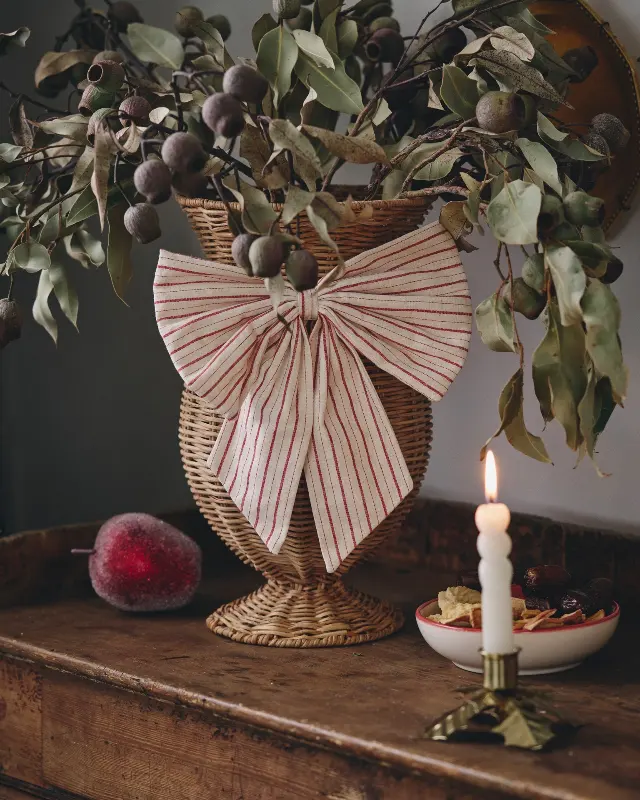
 Rattan Vase for Seasonal Decor and Warmth
#Vase
1 ideas
Rattan Vase for Seasonal Decor and Warmth
Get new #Vase ideas by email
Every Thursday: the week's best ideas, with the newest from #Vase.
Related tags
Vases: shapes, uses and styling ideas
What a vase is
A vase is a container designed to hold flowers, branches, grasses, or other decorative stems. People have used vases for a very long time, both as useful household objects and as decorative pieces. In many homes, a vase does more than hold water and flowers: it helps shape the look of a room, adds height and colour, and can stand on its own as an ornament.
Vases appear in many traditions and cultures, and their forms have changed over time. Some are simple and practical, while others are made to be admired for their craftsmanship. You will find vases made for fresh arrangements, dried flowers, and purely decorative display.
Common materials and styles
Read more
Vases come in many materials, each with its own feel and purpose.
- Glass vases are versatile and let the stems and water show through. They can look light, clean, and understated.
- Ceramic and porcelain vases often have more weight and can be glazed in many finishes, from matte to glossy.
- Stoneware vases feel solid and natural, and often suit rustic or handmade interiors.
- Metal vases can create a more sculptural look, though they are not always used for water.
- Wood, rattan, and other natural-fibre styles are often used as decorative vessels or covers rather than for direct water holding.
In shape, vases range from tall and narrow to wide and rounded. A narrow neck helps support a small bouquet or a few stems. A wider opening suits fuller arrangements. Some vases are tall enough for long branches, while others are low and compact for short flowers or single-stem displays.
How to choose one
The best vase depends on what you want it to do.
- For a simple bunch of flowers, choose a shape that supports the stems without crowding them.
- For one dramatic branch, pick a vase with enough height and weight to stay steady.
- For dried flowers, make sure the opening and proportions suit the arrangement.
- For display only, focus on shape, texture, and colour as part of the room’s decor.
It helps to think about scale. A vase should feel balanced with the table, shelf, or mantel it sits on. Very large vases can become statement pieces, while smaller ones work well in groups. If you are arranging several together, vary height and shape so the grouping feels natural.
Practical styling tips
A vase often looks best when it complements its contents rather than competing with them. Simple flowers may suit a plain vase, while a more decorative vessel can stand out on its own. Clear glass works well when you want a fresh, airy look. Opaque materials can hide stems and create a calmer impression.
A few tips can help you use vases with confidence:
- Keep the vase clean, especially if you use fresh flowers often.
- Trim stems so they sit comfortably and do not tip awkwardly.
- Use fewer stems if the vase opening is narrow.
- Choose dried or faux stems if you want a long-lasting arrangement with little maintenance.
- Place decorative vases where their shape can be seen from more than one angle.
A vase is a simple object, but it can change the atmosphere of a room in a quiet, lasting way. When you choose one thoughtfully, it becomes both useful and beautiful.
#Vase: frequently asked questions
How do I start choosing a vase if I'm a complete beginner?
Start with the job you want the vase to do rather than with a style you like on a shelf. If it will hold fresh flowers, pick something that supports the stems without squeezing them and that has a base wide enough to stay steady; if it is only for display, let shape and texture lead. Glass is a forgiving first choice because it suits almost any flower and blends into most rooms.
Which type of vase should I pick for the flowers I usually buy?
Match the opening and height to the stems: a narrow neck holds a small bunch upright, while a wide opening suits a fuller, looser arrangement. Long branches need a tall, weighty vase so they cannot tip, and short single stems look best in something low and compact. Bringing the flowers with you when you shop, or measuring the stems you usually buy at home, makes the decision much easier.
How should I care for a vase so it lasts and the flowers stay fresh?
Rinse it out after every use, since residue on the inside wall is what makes a vase smell and clouds glass over time. Trim the stems before arranging so they sit comfortably and drink properly, and change the water regularly for fresh flowers. Vases kept only for display need little more than a soft dusting, with gentler handling for glazed ceramic and delicate finishes.
What are common mistakes people make when styling with vases?
The most frequent one is choosing a vase that fights the flowers instead of complementing them, so a busy vessel overwhelms a simple bunch. Another is getting the scale wrong: a vase that is too small disappears on a large table, while an oversized one crowds a narrow shelf. It also helps to place decorative vases where their shape reads from more than one viewpoint, since many are seen from the side as much as the front.
Do I need to use water for every material, and what about dried arrangements?
No, material matters here: metal, wood, and woven or rattan styles are generally better used as decorative vessels or as covers for a hidden water container rather than filled directly. Glass, glazed ceramic, and stoneware are the straightforward options for holding water. Dried or faux stems let you use almost any vase and keep the arrangement looking the same with very little upkeep.
Any ideas for using vases to decorate for a season or an occasion?
Think in groups rather than single pieces: clustering vases of different heights and shapes makes a shelf or mantel feel collected rather than arranged. Warmer, natural materials and earthy tones suit cosy seasons, while clear glass and pale ceramic feel lighter for brighter months. Swapping the stems inside the same vases is the quickest way to change the mood without buying anything new.
Videos come from YouTube and posts from Instagram; titles and summaries are our own. All rights belong to their creators.