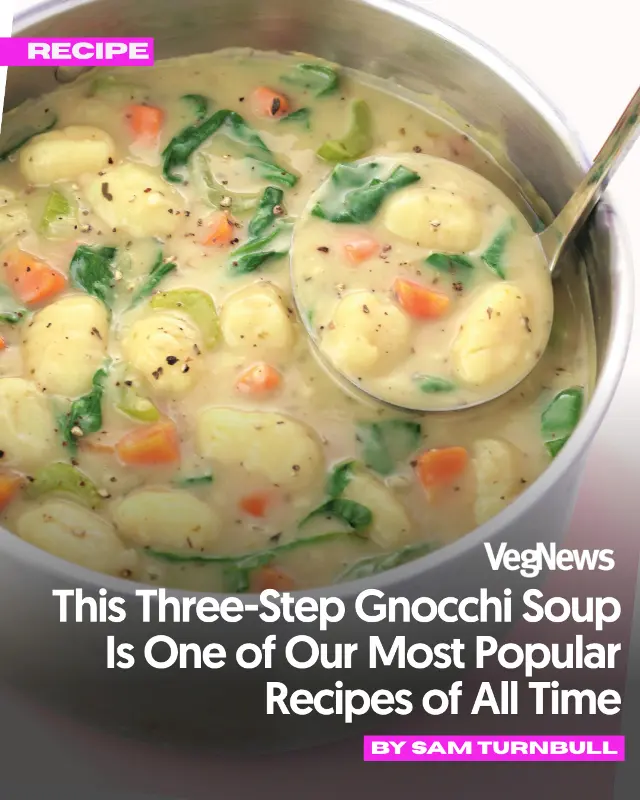
 Hearty Potato Gnocchi Stew
#Vegan Recipe
1 ideas
Hearty Potato Gnocchi Stew
Get new #Vegan Recipe ideas by email
Every Thursday: the week's best ideas, with the newest from #Vegan Recipe.
Related tags
Vegan Recipes: A Beginner's Guide to Plant-Based Cooking
Vegan cooking means preparing food without any ingredients derived from animals: no meat, fish, dairy, eggs or honey. It is a way of eating built entirely from plants — vegetables, fruits, grains, pulses, nuts, seeds and fungi — and it has roots in many culinary traditions rather than in any single one.
Where it comes from
Plant-based eating is far older than the word. Legume-and-grain cooking runs through Mediterranean, Indian, Middle Eastern, East Asian and Latin American kitchens: dal with rice, hummus with flatbread, beans with corn, tofu with noodles. Many of these dishes were never designed as substitutes for meat; they are complete traditions in their own right, which is why they tend to taste balanced rather than compromised. The modern vegan recipe draws on all of them, borrowing techniques and seasonings freely.
The building blocks
Read more
A satisfying vegan meal usually rests on a few elements working together. Protein comes from pulses, tofu, tempeh, seitan, nuts and seeds. Carbohydrates come from grains, potatoes and pasta. Fat — olive oil, nut butters, avocado, coconut — carries flavour and gives food body. Something savoury and deep, such as mushrooms, tomato concentrate, miso, soy sauce or nutritional yeast, supplies the richness that animal fats often provide. Acid, in the form of lemon, vinegar or fermented ingredients, keeps everything from tasting flat.
Techniques worth learning
- Roast vegetables properly: high heat, enough oil, space between pieces. Browning creates flavour that boiling never will.
- Press and season tofu before cooking it. Removing water lets it crisp; marinating afterwards lets it absorb.
- Build layers rather than single notes. A sauce that starts with onion, then garlic, then spice, then acid will taste fuller than one where everything goes in at once.
- Toast whole spices in a dry pan before grinding or adding liquid. The difference is noticeable.
- Use stock, wine or a splash of the cooking liquid to lift the browned bits from the pan — those stuck fragments hold a lot of taste.
- Taste at the end and adjust salt, acid and fat. Most dishes that seem to be missing something need one of those three.
What beginners should know
Start with dishes that are naturally plant-based instead of trying to recreate familiar meat meals at the first attempt. Soup, stew, curry, grain bowls, pasta with vegetables and bean salads are forgiving and teach you how flavours combine. Read labels when buying prepared foods, since stock powders, sauces and baked goods can contain dairy or egg. Plan protein deliberately at each meal so you are not hungry an hour later.
Cook in batches. Many vegan dishes — stews, dahls, grain salads, sauces — improve after a day in the fridge, which makes them practical for a busy week.
Finally, be patient with seasoning. Plant cooking rewards generous herbs, spices, salt and acid; once you learn to build those layers, the question of what is missing from the plate rarely comes up.
#Vegan Recipe: frequently asked questions
How do I start cooking vegan food without feeling like something is missing?
Begin with dishes that are naturally plant-based rather than trying to imitate meat meals right away — soups, stews, curries, grain bowls, pasta with vegetables and bean salads are forgiving and teach you how flavours work together. Once those feel comfortable, you can move on to substitutes with a better sense of what a dish needs.
What should a vegan meal include to be properly satisfying?
A good plate balances protein from pulses, tofu, tempeh, seitan, nuts or seeds with carbohydrates from grains, potatoes or pasta, plus fat for body and flavour. Add something deep and savoury such as mushrooms, miso, soy sauce or nutritional yeast, and finish with acid from lemon, vinegar or fermented ingredients so nothing tastes flat.
Which techniques make the biggest difference in plant cooking?
Roasting vegetables at high heat with enough oil and space between the pieces builds flavour that boiling cannot. Toasting whole spices in a dry pan before using them, and building a sauce in layers — onion, then garlic, then spice, then acid — gives a much fuller result than adding everything at once.
How should I handle tofu so it doesn't turn out bland or soggy?
Press it first to remove the water, which is what allows it to crisp when you cook it. Season or marinate it after pressing, so it can absorb flavour rather than shedding it into the pan.
What common mistakes should a beginner watch out for?
Under-seasoning is the usual culprit — plant dishes reward generous herbs, spices, salt and acid, and most food that seems to be lacking something needs one of those three. Also check labels on stock powders, sauces and baked goods, since they can hide dairy or egg, and plan protein into every meal so you are not hungry soon after eating.
Is vegan cooking practical for a busy week?
Yes, if you cook in batches. Stews, dahls, grain salads and sauces often taste better after a day in the fridge, so making a larger amount once and eating it over several days works well.
Videos come from YouTube and posts from Instagram; titles and summaries are our own. All rights belong to their creators.