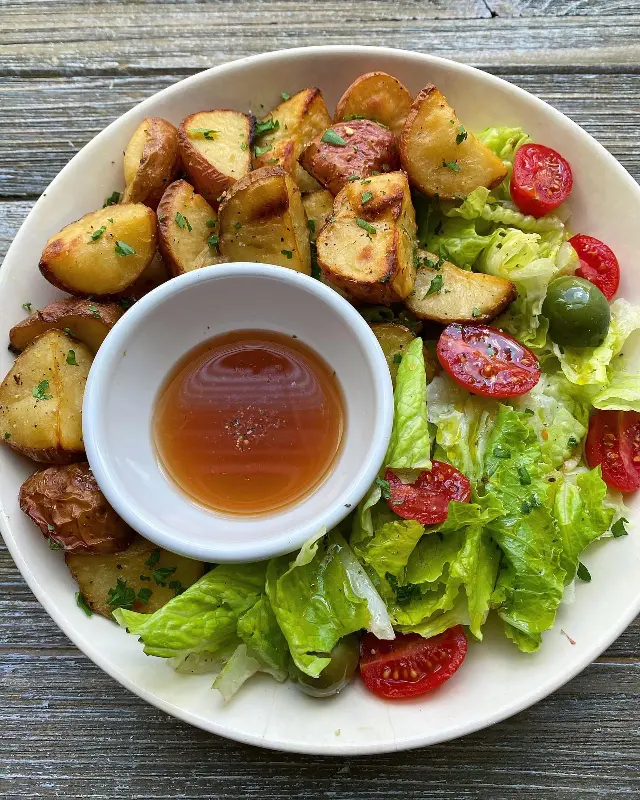
 Crispy Turmeric Honey Salt and Vinegar Potatoes
#Vegan Recipes
3 ideas
Crispy Turmeric Honey Salt and Vinegar Potatoes
Get new #Vegan Recipes ideas by email
Every Thursday: the week's best ideas, with the newest from #Vegan Recipes.
Related tags
Vegan Recipes: Simple Plant-Based Cooking
What vegan recipes are
Vegan recipes are dishes made without ingredients from animals. That means no meat, fish, dairy, eggs or honey, and sometimes also no animal-based stock, gelatin or butter. People cook vegan food for many reasons: ethics, health, taste, culture, allergies or simply to eat more plants.
At its heart, vegan cooking is not about leaving things out, but about building flavour, texture and balance with plant-based ingredients. Beans, lentils, grains, vegetables, fruit, nuts, seeds, herbs and spices all have a place. Many traditional cuisines already include plenty of naturally vegan dishes, from soups and stews to flatbreads, curries, salads and vegetable mains.
Common kinds of vegan recipes
Read more
You can find vegan recipes for almost every kind of meal:
- Breakfasts such as porridge, smoothies, toast toppings, tofu scrambles and baked oats
- Lunches and dinners like grain bowls, tacos, pasta, curries, soups, stir-fries and salads
- Bakes and desserts made without eggs or dairy, often using plant milk, fruit, nut butters or flaxseed mixtures
- Snacks and sides such as hummus, roasted chickpeas, dips, crisps, slaws and baked potatoes
Many vegan recipes also focus on a familiar comfort-food feel. For example, beans and lentils can stand in for the hearty base of a taco filling, while roasted vegetables can bring sweetness and depth to a bowl or wrap.
Key ingredients and techniques
A good vegan kitchen usually relies on a few flexible staples. Beans and lentils add protein and substance. Tofu, tempeh and other soy foods can be marinated, baked, fried or crumbled for different textures. Nuts and seeds bring richness, and plant milks help with sauces, batters and baking. Herbs, spices, citrus, garlic and onion are especially useful for building flavour.
Some useful techniques include:
- Roasting vegetables to bring out sweetness
- Toasting spices before adding liquid
- Mashing beans or vegetables for a hearty filling
- Using acidity, such as lemon or vinegar, to brighten a dish
- Adding crunchy toppings for contrast, such as seeds, nuts or toasted breadcrumbs
If you are baking, remember that eggs often provide structure and moisture, so vegan baking usually needs a replacement strategy rather than a direct swap. Fruit purées, flaxseed mixtures and commercial egg replacers are all common approaches, depending on the recipe.
Tips for beginners
If you are new to vegan cooking, start with recipes that are naturally plant-based rather than trying to remake everything at once. Simple dishes with short ingredient lists are a good way to learn how flavours work together.
A few practical tips can help:
- Keep a few basics on hand, like beans, rice, pasta, onions, garlic and spices
- Taste as you go and adjust salt, acid and seasoning
- Aim for variety in protein, vegetables and grains
- Read labels if you are cooking strictly vegan, since some packaged foods contain hidden animal ingredients
- Use recipes as a guide, but feel free to change vegetables or spices to suit what you have
With a little practice, vegan recipes become very adaptable. Once you understand how to combine texture, seasoning and balance, it is easy to create meals that feel satisfying, colourful and full of flavour.
Videos come from YouTube and posts from Instagram; titles and summaries are our own. All rights belong to their creators.