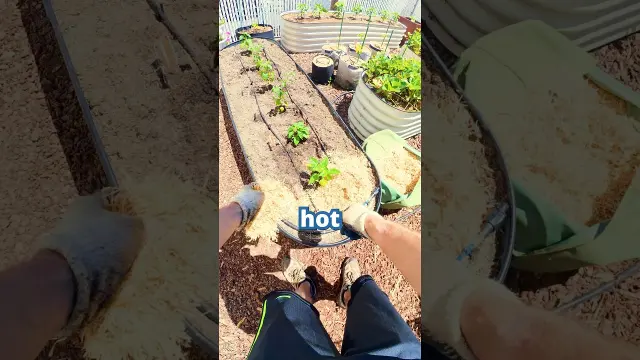
 How to Easily Add Drip Irrigation to Raised Bed Gardens
#Vegetable Growing
1 ideas
How to Easily Add Drip Irrigation to Raised Bed Gardens
Get new #Vegetable Growing ideas by email
Every Thursday: the week's best ideas, with the newest from #Vegetable Growing.
Related tags
Vegetable Growing: A Beginner's Guide to Home Harvests
Growing your own vegetables is one of the oldest and most satisfying garden skills. It turns a patch of ground, a raised bed or a few pots on a balcony into a small supply of fresh food, and it teaches you the rhythm of a growing season — sowing, tending, waiting, picking. You do not need much space or expensive equipment to begin. What you need is a clear idea of what your plot can offer, and a willingness to learn from what happens in it.
Why people grow their own
The appeal is partly practical and partly personal. Home-grown vegetables are picked at their peak, so flavour and texture are often better than anything that has travelled to a shop. Gardening also gives shape to the year and a reason to be outdoors. Many growers describe the work as calming and absorbing, a pleasant counterweight to screen-bound days. And there is a particular pleasure in cooking with something you grew yourself, even if it is only a handful of herbs or a few tomatoes.
Starting with the basics
Read more
Vegetables are broadly grouped by how much warmth and light they need, and by the part of the plant you eat: leaves, roots, pods, fruits or flowers. This matters because it tells you when to sow and how long to wait.
- Leafy crops such as lettuce and spinach are usually quick and forgiving, good for beginners.
- Root crops prefer loose soil free of stones so the roots can swell evenly.
- Fruiting crops like tomatoes, courgettes and peppers need sun and warmth, and a longer season.
- Legumes such as beans and peas fix nitrogen in the soil, which can benefit what follows them.
Choose a handful of things you actually like eating for your first year. A small, well-tended plot outperforms a large neglected one.
Light, soil and water
Most vegetables want sun for much of the day, so watch your space before you dig. Note where shadows fall and how the ground drains after rain. Soil is the foundation: it should be crumbly, hold moisture without staying waterlogged, and be enriched with well-rotted organic matter each year. If your ground is poor or heavy, raised beds or containers give you control over what the roots sit in.
Water deeply and less often rather than little and frequently, and water at the base of the plant rather than over the leaves. A layer of mulch helps the soil hold moisture and keeps weeds down.
Spacing, timing and care
Seed packets and plant labels give spacing and sowing guidance — follow them, even when young plants look lost in the space. Crowded vegetables compete for light, water and nutrients and are more prone to problems. Sow small amounts in succession through the season so you are not faced with everything ripening at once.
Check your plants regularly. Most trouble is easier to deal with early: slugs, aphids, drying soil, a plant that needs staking. Encourage birds and insects into the garden rather than reaching for sprays as a first response.
Harvesting and keeping going
Pick often and promptly — many vegetables, beans especially, produce more if you keep taking the pods. Harvest in the cool of the morning when the plant is at its freshest. Take notes as the season goes on: what grew well, what you would skip, what you sowed too late. Each year's garden is a little better informed than the last.
#Vegetable Growing: frequently asked questions
How do I start a vegetable garden with no experience?
Begin by watching your space for a while before you dig, noting how much sun it gets and where water tends to sit after rain. Then pick a small patch, raised bed or group of pots and grow only a handful of vegetables you genuinely enjoy eating, since a modest plot that is well tended does far better than a large neglected one. Learn from what the season gives you and adjust the next time round.
What do I actually need to grow vegetables?
You need somewhere with plenty of sun, soil that drains well and holds moisture, and a reliable way to water. Well-rotted organic matter worked in each year improves almost any ground, and if your soil is poor or heavy, raised beds or containers let you control what the roots sit in. Beyond that, seeds or young plants, a few basic hand tools and patience cover most of it.
Which vegetables are easiest for a beginner to grow?
Leafy crops such as lettuce and spinach are quick and forgiving, which makes them a forgiving place to start. Root crops are straightforward too, though they want loose soil free of stones so the roots can swell evenly. Fruiting crops like tomatoes, courgettes and peppers are more rewarding but need warmth, sun and a longer season, so it helps to try them once you have a feel for your plot.
How often and how should I water vegetables?
Water deeply and less often rather than giving a little frequently, since deep watering encourages roots to go down. Aim at the base of the plant rather than over the leaves, and water in the cool of the morning where you can. A layer of mulch on the soil surface helps hold moisture and keeps weeds down.
What are the most common mistakes new vegetable growers make?
The usual ones are sowing too much at once and cramming plants closer than the labels suggest, which leaves them competing for light, water and nutrients. Watering shallowly and often, or over the leaves, causes problems too. It also pays to check plants regularly, because slugs, aphids, drying soil and plants that need staking are all far easier to deal with early.
Can I grow vegetables in pots on a balcony?
Yes, containers work well where ground space is limited, and they give you control over the soil the roots sit in. Choose compact, quick-maturing crops and remember that pots dry out faster than open ground, so they need more attention to watering. Keep them somewhere that gets good sun for much of the day.
Videos come from YouTube and posts from Instagram; titles and summaries are our own. All rights belong to their creators.