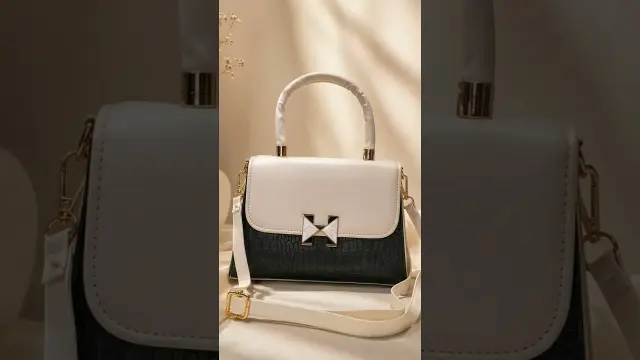
 Classy Outfit Featuring a Black Velvet Top and Wide Leg Pants
#Velvet Top
1 ideas
Classy Outfit Featuring a Black Velvet Top and Wide Leg Pants
Get new #Velvet Top ideas by email
Every Thursday: the week's best ideas, with the newest from #Velvet Top.
Related tags
Velvet Tops: A Guide to Fabric, Style and Care
Velvet is one of those fabrics that carries a whole mood with it. Soft to the touch, deep in colour and gently reflective, it has been associated with celebration and formality for centuries, yet it works just as well on an ordinary day. A velvet top is often the simplest way to bring that richness into a wardrobe, because it needs very little around it to look considered.
What velvet actually is
Velvet is not a fibre but a structure. It is woven with a short, dense pile on one side, which is what gives it that characteristic depth and the way it seems to shift colour as the light moves across it. Historically it was made from silk and reserved for those who could afford it; today it is commonly woven from cotton, viscose, polyester or blends, which makes it far more practical and accessible. The pile is also the reason velvet needs a little extra attention: it catches light and pressure differently depending on which way it is brushed.
The main kinds of velvet top
Read more
The most familiar is the fitted, sleeveless or short-sleeved velvet top with a modest neckline, which pairs naturally with tailored trousers or a midi skirt. A velvet blouse, softer and looser with buttons or a tie neck, reads more romantic and works well under a jacket. Velvet tops also appear as knitwear, where a stretch velvet gives a close, comfortable fit, and as wraps, tunics and long-sleeved versions for cooler months. Crushed velvet has an irregular, shimmering surface and a more relaxed feel; devoré, where parts of the pile are burned away to leave a pattern, is lighter and more delicate.
Colours and how to wear it
Deep tones tend to flatter velvet best: black, navy, burgundy, forest green, plum and rich brown all show the pile to advantage, while pale shades can look chalky unless the fabric is high quality. Because velvet is visually heavy, it usually works best as the focal point of an outfit. Keep the rest simple and matte, in a similar depth of colour or a clean neutral, and let the texture do the talking. A velvet top tucked into wide leg trousers, worn with plain leather shoes and minimal jewellery, is a combination that has never really gone out of fashion.
What beginners should know
Fit matters more than usual with velvet, since the pile highlights every fold and pull. Look for a top that sits smoothly across the shoulders and doesn't strain across the chest, and check the fabric in daylight rather than under shop lighting. Stretch velvets are forgiving and comfortable; woven velvets hold their shape but have less give.
Practical care
Velvet is easier to look after than its reputation suggests. Wash it inside out on a gentle cycle or by hand, avoid wringing, and never iron it directly, as heat flattens the pile permanently. Instead, steam it from the inside or hang it in a steamy bathroom. Store velvet tops hung or folded loosely rather than pressed under heavy items, and brush the pile gently in one direction if it looks flattened. Treated with a little care, a velvet top lasts for years and only looks better for it.
#Velvet Top: frequently asked questions
How do I start wearing a velvet top if I've never owned one before?
Begin with a simple, fitted sleeveless or short-sleeved style in a deep, neutral tone, since that shape and colour are the easiest to build outfits around. Wear it once with pieces you already own, such as tailored trousers or a plain midi skirt, so you can judge the fit and fabric without buying anything else. If it feels right, add a looser blouse or a wrap version later.
What should I look for when choosing a velvet top?
Fit matters more with velvet than with most fabrics, because the pile catches light on every fold and pull, so choose something that sits smoothly over the shoulders and doesn't strain across the chest. Check the colour and surface in daylight rather than shop lighting, since velvet shifts depending on the angle and the light. Stretch velvet is more forgiving and comfortable, while woven velvet holds its shape with less give.
Which type of velvet top suits which kind of outfit?
A fitted sleeveless or short-sleeved top with a modest neckline is the most versatile and works with tailored trousers or a midi skirt. A softer blouse with buttons or a tie neck reads more romantic and layers neatly under a jacket, while crushed velvet gives a relaxed, shimmering look and devoré is lighter and more delicate. Wrap, tunic and long-sleeved styles are the practical choice for cooler weather.
How do I care for a velvet top so the pile doesn't flatten?
Wash it inside out on a gentle cycle or by hand, and avoid wringing it out. Never iron velvet directly, because heat crushes the pile permanently — steam it from the inside or hang it in a steamy bathroom instead. Store it hung or folded loosely rather than under heavy items, and brush the pile gently in one direction if it starts to look flat.
What colours work best, and how do I keep the rest of the outfit from competing?
Deep tones such as black, navy, burgundy, forest green, plum and rich brown show the pile to best advantage, while pale shades can look chalky unless the fabric is good quality. Because velvet is visually heavy, it usually works best as the focal point: keep everything else simple and matte, in a similar depth of colour or a clean neutral. Plain leather shoes and minimal jewellery let the texture do the talking.
What are the common mistakes people make with a velvet top?
The usual ones are buying a size that pulls across the chest or shoulders, judging the fabric under shop lighting, and treating it like an ordinary cotton top. Ironing it, wringing it out, or crushing it at the bottom of a drawer will flatten the pile and dull the surface for good. Pairing it with other shiny or heavily patterned pieces is another easy slip, since velvet already carries plenty of visual weight on its own.
Videos come from YouTube and posts from Instagram; titles and summaries are our own. All rights belong to their creators.