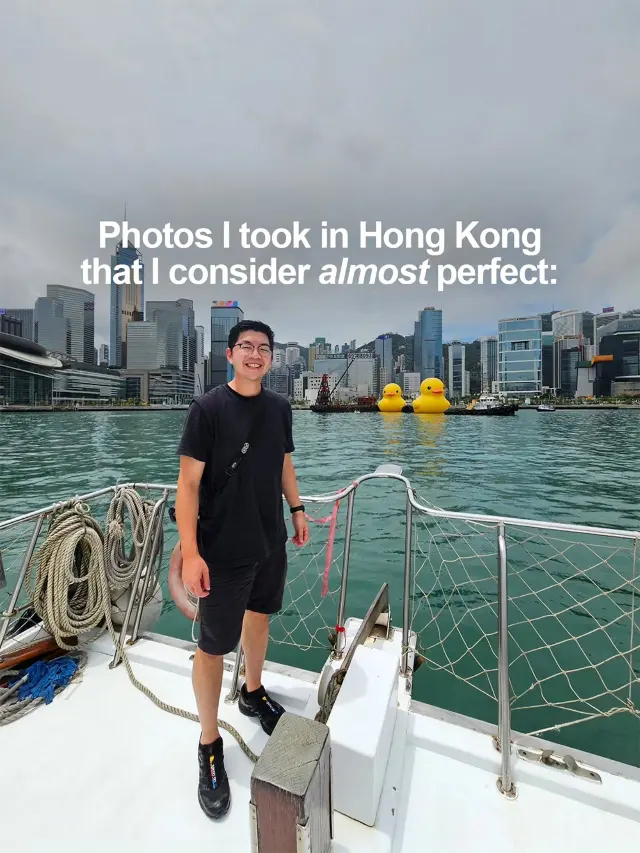
 Hong Kong Photo Spots: Estates, Architecture and Harbour Views
#Victoria Harbour
1 ideas
Hong Kong Photo Spots: Estates, Architecture and Harbour Views
Get new #Victoria Harbour ideas by email
Every Thursday: the week's best ideas, with the newest from #Victoria Harbour.
Related tags
Victoria Harbour: A Guide to Hong Kong's Iconic Waterway
Victoria Harbour is the stretch of water that separates Hong Kong Island from Kowloon, and it is the reason the city grew where it did. A natural deep-water harbour with a sheltered anchorage, it gave Hong Kong the conditions for a trading port, and the settlement that formed around it eventually became one of the world's densest urban landscapes. The harbour takes its name from Queen Victoria, but for most people today it is simply the water at the centre of the city — the thing that makes Hong Kong's skyline legible.
Why it matters
The harbour is not a backdrop. It is the working heart of the place: ferries crisscross it constantly, and the Star Ferry route between Central and Tsim Sha Tsui has been running for well over a century and remains both public transport and a small ritual. Around its edges sit the towers of Central, the museums and promenades of Kowloon, and the Avenue of Stars, which looks back across the water at the island.
What to see and do
Read more
- Take the Star Ferry. It is short, cheap and gives the best low, close view of the harbour from the water.
- Walk the Tsim Sha Tsui waterfront in the evening, when the island's buildings light up and the promenade fills with people.
- Ride the Peak Tram or take a bus up to Victoria Peak for the classic overlooking view of the harbour and the skyline together.
- Look for the smaller, older traces: ferry piers, the clock tower in Tsim Sha Tsui, and the markets a few streets inland from the water.
- Consider a harbour cruise, from a simple sightseeing boat to the older junk-style vessels that sail at dusk.
Land reclamation and a changing shoreline
Much of the land you walk on near the harbour is reclaimed. Hong Kong has expanded its coastline repeatedly over the decades, so the waterfront of today is not the waterfront of a hundred years ago, and the harbour is narrower than it once was. This is worth remembering when you look at old photographs: the shapes shift, even if the mountains above the city do not.
Practical tips
The harbour looks different at every hour, and the light at dusk — when the offices are still lit and the sky is not yet dark — is often the most rewarding. Weather matters more than any schedule: summer is hot and humid with frequent rain, and typhoon season can bring sudden closures, so check conditions before committing to a boat trip or a long walk. Bring water, wear comfortable shoes, and give yourself more time than you think you need on the promenades, because the view keeps pulling you back.
Above all, treat the harbour as a place to linger rather than a box to tick. Sit on a pier, watch the ferries, and let the crossing traffic do the work.
#Victoria Harbour: frequently asked questions
What is the best way to experience Victoria Harbour for the first time?
Start on the water rather than beside it. The historic cross-harbour ferry between the island and Kowloon is short, inexpensive and puts you low and close to the water, which is the view the skyline was built to be seen from. Follow it with a slow walk along the Kowloon promenade so you get both the crossing and the long look back at the towers.
Do I need to book anything in advance to visit the harbour?
Most of the harbour needs no planning at all — the piers, promenades and waterfront walks are open and free to wander. Only a harbour cruise or a ride up to the peak above the city benefits from being arranged ahead, and even then the main thing to check is the weather rather than availability. Bring water and comfortable shoes and leave the rest loose.
Should I stay on the island side or the Kowloon side?
They give you opposite views of each other, so the honest answer is that you want time on both. Kowloon's waterfront is where you walk and look across at the illuminated towers, while the island side puts you among the offices and piers with the hills behind you. If you can only pick one base, choose the side whose evening view you most want to wake up to.
When is the harbour at its most photogenic?
The stretch of light just before the sky goes fully dark is the rewarding one, when the offices are still lit and there is colour left above the buildings. The harbour changes character hour by hour, so it is worth returning at a different time of day rather than trying to capture everything in one visit. Summer haze and sudden rain can flatten the view, so keep an eye on conditions.
What do people usually get wrong when visiting Victoria Harbour?
The common mistake is treating it as a single sight to tick off and hurry past. The promenades reward lingering — sit on a pier, watch the ferries cross, and let the traffic do the work. The other frequent slip is assuming the shoreline you are standing on is the original one; much of the land is reclaimed, which is why old photographs of the waterfront no longer match what you see.
How can I enjoy the harbour without the heaviest crowds?
Go early in the day or late in the evening, when the promenades thin out and the ferries feel like ordinary transport again. Wander a few streets inland from the water for the older piers, markets and smaller traces that most visitors never reach. The classic overlooks are busiest at sunset, so save those for a weekday or a quieter hour.
Videos come from YouTube and posts from Instagram; titles and summaries are our own. All rights belong to their creators.