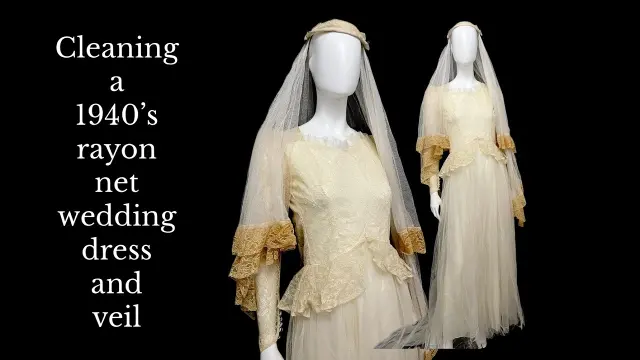
 Cleaning and restoring a 1940s wedding dress to white again
#Vintage Clothing
1 ideas
Cleaning and restoring a 1940s wedding dress to white again
Get new #Vintage Clothing ideas by email
Every Thursday: the week's best ideas, with the newest from #Vintage Clothing.
Related tags
Vintage Clothing: A Beginner's Guide to Wearing the Past
Vintage clothing is, simply put, clothing made in an earlier era and worn again today. There is no universal rule about how old a garment must be, but most people treat pieces from roughly twenty years back or more as vintage, while "antique" usually refers to much older dress, and "retro" describes something newly made in an old style. Confusing the three is common; the distinction matters because it tells you what you are actually buying.
The habit of wearing old clothes is not new. Handing garments down through families and altering them to fit has been ordinary practice for centuries, and secondhand markets have long existed in most cities. What changed is that vintage became a conscious choice: a way to dress with character, to avoid the sameness of fast fashion, and to keep good clothing in use rather than in landfill. The modern vintage shop, and the online reseller, grew out of that shift.
Vintage spans every decade of the twentieth century and beyond, and each has its fingerprints. The 1920s brought dropped waists and beaded evening wear; the 1940s gave tailored suits and utility-cut dresses; the 1950s are known for full skirts and nipped waists; the 1960s for shifts and bold pattern; the 1970s for denim, suede and long lines. Learning to recognise these shapes, along with fabric, stitching and label style, is the core skill of dating a piece.
If you are starting out, begin with something you will genuinely wear often: a jacket, a coat, a knit, a pair of jeans. Check condition before anything else. Look at underarms, collars and cuffs for wear, hold seams up to the light for thinness, and test zips and buttons. Small repairs are usually worth it; extensive fading, dry rot in old silk, or heavy moth damage rarely is.
Read more
Fit deserves patience. Vintage sizing does not match modern sizing, and a garment may have been altered before you found it, so measure a piece you already own and compare flat measurements rather than trusting the number on the label. Remember that fabrics behave differently too: older wool is often denser, older cotton less stretchy.
Care keeps clothes alive. Wash less than you think necessary, use cool water and gentle detergent, dry flat or on a padded hanger, and store away from direct sun. Moths dislike clean, aired clothing and sealed storage. For delicate or unfamiliar fibres, ask a professional cleaner before experimenting.
Finally, buy what you love rather than what is scarce or fashionable. Vintage rewards a good eye and a little knowledge far more than a large budget.
#Vintage Clothing: frequently asked questions
How do I start building a vintage wardrobe?
Start with something you will genuinely wear often — a jacket, a coat, a knit or a pair of jeans — rather than a dramatic piece you may never reach for. Choosing practical items first lets you learn what suits your body and your existing clothes while keeping good garments in real use.
What should I check before buying a vintage piece?
Look at condition before anything else: examine underarms, collars and cuffs for wear, hold the seams up to the light for thinness, and test every zip and button. Small repairs are usually worth taking on, but heavy fading, failing silk or widespread moth damage rarely are.
How can I tell whether something is vintage, antique or retro?
Vintage describes clothing made in an earlier era and worn again, antique refers to much older dress, and retro means something newly made in an old style. The distinction matters because it tells you what you are actually buying — a genuine old garment or a modern imitation — which shapes both its value and how you care for it.
How do I get the fit right when vintage sizing differs from modern sizing?
Ignore the number on the label and instead measure a garment you already own that fits you well, then compare flat measurements against the piece you are considering. Keep in mind that the item may have been altered before it found you, and that older fabrics such as dense wool or stiff cotton behave quite differently from modern ones.
How should I care for vintage clothing so it lasts?
Wash far less often than you think necessary, use cool water with a gentle detergent, and dry flat or on a padded hanger away from direct sun. Store pieces clean and aired in sealed containers to deter moths, and ask a professional cleaner about delicate or unfamiliar fibres before experimenting on them yourself.
What are the most common mistakes people make with vintage?
The usual ones are buying for scarcity or fashion rather than genuine love, and rushing the fit instead of being patient with it. Learning to recognise fabric, stitching and label style, and choosing pieces you will wear again and again, will serve you better than a large budget.
Videos come from YouTube and posts from Instagram; titles and summaries are our own. All rights belong to their creators.