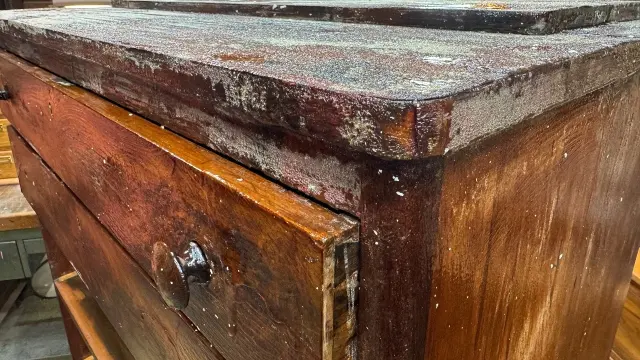
 Detailed Restoration Process of an 1830s Antique Dresser
#Vintage Furniture
5 ideas
Detailed Restoration Process of an 1830s Antique Dresser
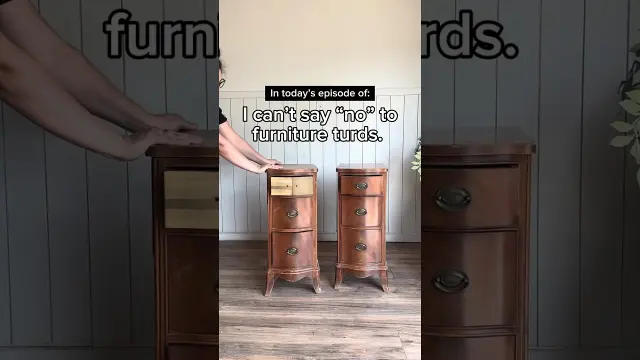 Vintage Nightstand Makeover and Furniture Flipping Tips
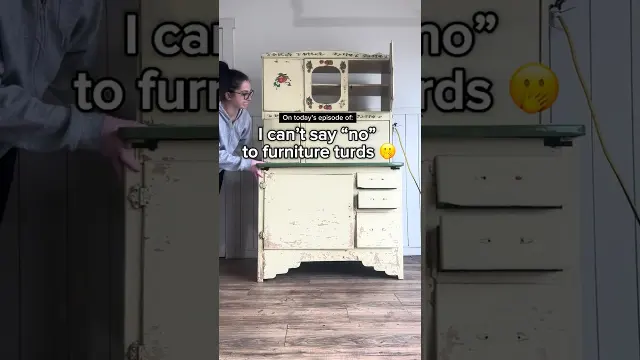 Vintage Hoosier Cabinet Restoration With Butcher Block Top
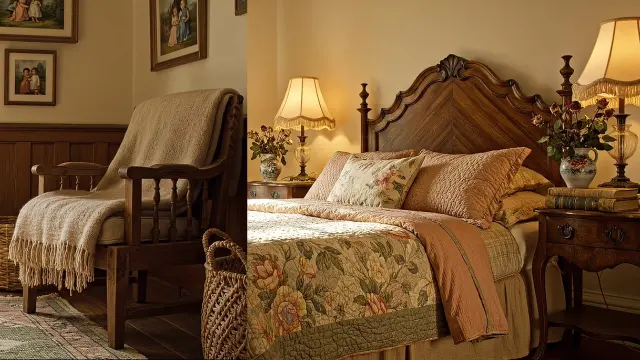 Why Cozy Old Fashioned Homes and Vintage Interiors Are Back
 Goodwill Goldmine for Vintage Home Decor and Dishes
Get new #Vintage Furniture ideas by email
Every Thursday: the week's best ideas, with the newest from #Vintage Furniture.
Related tags
Vintage Furniture Guide
What vintage furniture means
Vintage furniture is furniture from a past era that still feels useful, attractive, and distinctive today. It usually refers to pieces that are old enough to have character and history, but not so old that they belong to an antique category. What makes a piece vintage is not only its age, but also its style, materials, and the way it reflects the design of its time.
People love vintage furniture because it adds warmth, variety, and a sense of story to a room. A single chair, cabinet, or table can bring in details that are hard to find in newer pieces, such as carved wood, curved lines, solid construction, or a patina that comes from years of use.
Common styles and kinds
Read more
Vintage furniture comes in many forms, from simple everyday pieces to more decorative designs. You may find:
- Wooden dining tables, sideboards, and dressers
- Upholstered armchairs, sofas, and ottomans
- Metal school or industrial chairs and storage pieces
- Mid-century pieces with clean lines and tapered legs
- Decorative cottage, farmhouse, or traditional furniture with painted or detailed finishes
Different styles suit different homes, but the appeal is often the same: character, craftsmanship, and a look that feels collected rather than mass-produced.
What to look for
If you are new to vintage furniture, start by looking closely at condition and structure. A piece does not need to be perfect, but it should be sturdy enough for the way you plan to use it. Check for:
- Wobbly legs or loose joints
- Cracks, deep stains, or heavy wear
- Signs of wood damage, especially in hidden areas
- Missing parts, such as handles, feet, or drawers that do not slide well
- Upholstery that may need cleaning or replacement
Also think about scale. Older furniture can be smaller or larger than modern pieces, so measure carefully before bringing it home. A beautiful item is most useful when it fits your space comfortably.
How to choose and use it well
Vintage furniture works best when you treat it as both functional and decorative. You do not need to fill a room with only older pieces. In fact, mixing vintage furniture with simpler modern items often creates a balanced look.
A few practical tips:
- Choose one or two standout pieces instead of many competing ones
- Mix wood tones and finishes with care, so the room still feels calm
- Use vintage furniture where it can be enjoyed often, such as a desk, chair, or side table
- Keep the surrounding decor simple if the piece has a strong shape or pattern
Caring for vintage furniture
Older furniture usually needs gentler care than newer mass-produced pieces. Dust it regularly, avoid harsh cleaners, and protect wood from excess moisture and direct sun. If a piece has a finish or upholstery that seems fragile, test any cleaning method on a small hidden area first.
With a little attention, vintage furniture can last beautifully for many more years. It brings history into everyday life and gives your home a look that feels thoughtful, personal, and lived-in.
#Vintage Furniture: frequently asked questions
How do I start decorating with vintage furniture if I’m a beginner?
Start with one piece that can anchor the room, like a chair, table, or cabinet. Choose something sturdy and easy to live with, then keep the rest of the decor simpler so the vintage item stands out without overwhelming the space.
What should I check before buying vintage furniture?
Look closely at the structure first, including the legs, joints, drawers, and hidden areas for damage or missing parts. Also think about size and whether the piece fits your room, because older furniture can feel different from modern pieces in scale.
Which types of vintage furniture are easiest to use in a modern home?
Pieces with clean lines, solid construction, or simple shapes often blend well with modern interiors. Tables, sideboards, armchairs, and small storage pieces are especially easy to mix into everyday rooms because they are both useful and decorative.
How do I care for vintage furniture without damaging it?
Dust it regularly and use gentle cleaning methods instead of harsh products. Protect wood from too much moisture and strong sunlight, and test any cleaner on a hidden spot if the finish or fabric seems delicate.
What is a good way to style vintage furniture for a special occasion or cozy room?
Use vintage furniture as a focal point and build the rest of the room around it with calm, simple pieces. Warm wood tones, soft textiles, and a few collected accents can create a welcoming look that feels personal and lived-in.
Videos come from YouTube and posts from Instagram; titles and summaries are our own. All rights belong to their creators.