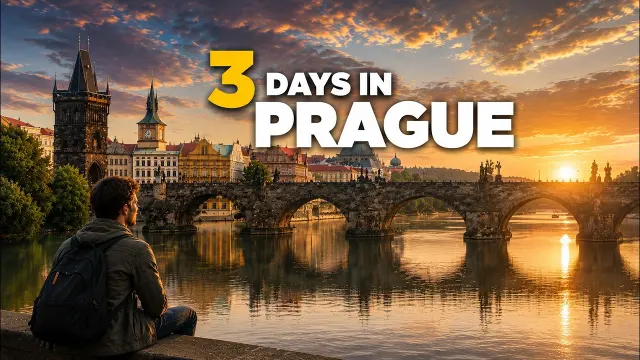
 Three-Day Prague Itinerary Covering Landmarks and Hidden Spots
#Walking Tours
1 ideas
Three-Day Prague Itinerary Covering Landmarks and Hidden Spots
Get new #Walking Tours ideas by email
Every Thursday: the week's best ideas, with the newest from #Walking Tours.
Related tags
Walking Tours: A Beginner's Guide to Seeing a Place on Foot
A walking tour is a guided stroll through a neighbourhood, old town or landscape, where a person who knows the area leads a small group on foot and explains what they are seeing. It is one of the oldest forms of travel, and still one of the most direct: no windows between you and the street, no schedule set by a bus, just a route and someone willing to talk about it.
Where the idea comes from
Guiding visitors on foot is as old as cities themselves, but the organised tour took shape alongside mass tourism in the nineteenth century, when growing towns began offering structured routes to newcomers. The modern habit of the small-group city walk grew from there, and today the format is used everywhere from historic centres to nature reserves, food markets and graveyards.
The main kinds
Read more
- Orientation walks: a broad loop of the central sights, useful on a first day to get your bearings.
- Themed walks: architecture, literature, music, local history, food or photography, each following one thread through a place.
- Free or tip-based tours: offered at no upfront cost, with guides paid by what walkers choose to give at the end.
- Private and small-group walks: tailored routes, often at a gentler pace or around a particular interest.
- Self-guided walks: a printed or digital route you follow alone, with or without audio commentary.
What to expect
Most city walks last between one and three hours and cover a distance that is comfortable rather than athletic, with frequent pauses. Groups vary from a handful of people to a few dozen. A good guide balances facts with stories, answers questions, and points out things you would otherwise walk past. Some tours end with recommendations for food, museums or further walks.
Practical advice for beginners
Wear shoes you have already broken in, since cobblestones are unforgiving. Bring water and check the weather, as most tours run rain or shine. Arrive a few minutes early so the group can leave on time. Ask beforehand about pace, hills, stairs and step-free access if these matter to you, and mention any hearing or mobility needs when you book. Keep your bag zipped in crowded areas and stay with the group in narrow streets.
Tipping is customary on free tours and welcome, though not obligatory, on paid ones; ask the guide or the booking service what is expected where you are. Carry a little cash for this.
Listen more than you photograph. The details a guide shares, the reason a doorway is shaped a certain way or why a street bends, are easy to miss when you are looking at a screen. Ask questions, and if something interests you, say so; many guides will happily go further into a subject.
Finally, treat the walk as a conversation rather than a lecture. The best tours leave you with a mental map of a place and a handful of small stories you will still remember long after you have forgotten the route.
#Walking Tours: frequently asked questions
How do I choose the right kind of walking tour for a first visit?
Start with an orientation walk if you have just arrived: a loop of the central sights gives you a mental map before you branch out. Once you know the layout, pick a themed walk that matches what you came for, whether that is architecture, food or local history, or go self-guided if you prefer to set your own pace.
What should I bring and wear on a walking tour?
Wear shoes you have already broken in, because old streets and cobblestones punish anything new. Carry water, a little cash for tipping, and a layer for changing weather, since most walks run rain or shine.
Are free walking tours really free?
They are free to book, but the guide is paid by what the group chooses to give at the end, so tipping is the point of the model rather than an extra. Bring cash and give what the walk was worth to you.
How do I get the most out of the guide's commentary?
Listen more than you photograph, because the small details that make a place legible are easy to miss through a screen. Ask questions and say so when something interests you; good guides enjoy going further into a subject.
What are common mistakes first-time walkers make?
Booking without asking about pace, hills, stairs or step-free access, then discovering the route does not suit you. Others include arriving late so the group is held up, and staying on the edge of the group in crowded or narrow streets instead of keeping close.
Is a walking tour worth it if I already have a guidebook or itinerary?
A guidebook tells you what a place is; a guide tells you why it looks that way, and can adjust the route to what the group actually wants to see. Even on a tightly planned trip, a short guided walk on the first day often makes everything afterwards easier to navigate.
Videos come from YouTube and posts from Instagram; titles and summaries are our own. All rights belong to their creators.