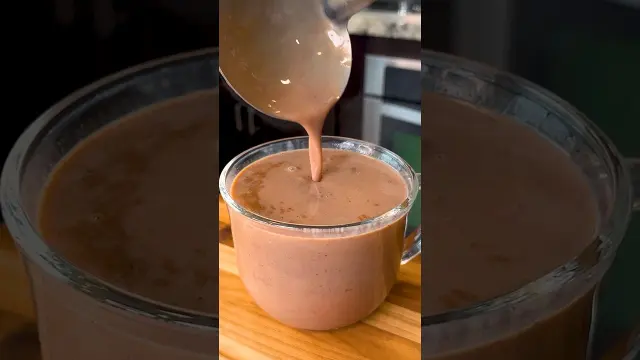
 Traditional Mexican atole de cafe con chocolate recipe
#Warm Drinks
1 ideas
Traditional Mexican atole de cafe con chocolate recipe
Get new #Warm Drinks ideas by email
Every Thursday: the week's best ideas, with the newest from #Warm Drinks.
Related tags
Warm Drinks: A Guide to Comfort in a Cup
A warm drink is one of the oldest small pleasures there is. Long before anyone wrote a recipe down, people were heating water and steeping things in it — leaves, roots, bark, crushed seeds, dried fruit — and drinking the result. The reasons were practical as much as pleasurable: boiling made water safer, and heat made a cup soothing on a cold morning or at the end of a long day. Nearly every culture arrived at its own version of this, which is why the world's warm drinks look so different and feel so similar.
The main families
Most warm drinks fall into a few broad groups. There are infusions, where hot water draws flavour out of plant material: tea from the camellia leaf, herbal blends from mint, chamomile, ginger or lemon balm, and spiced brews built on cinnamon, clove or cardamom. There are drinks made with ground beans and seeds, coffee being the best known, where roasting and grinding shape the taste. There are milk-based drinks — hot chocolate, spiced milk, the many sweetened milk-and-grain drinks found across Latin America and Asia. And there are heated alcohols, mulled wine and spiced cider among them, usually served in small quantities at gatherings.
What makes a cup good
Read more
Technique matters less than you might think, but a few habits help.
- Use fresh water. Water makes up most of the drink, and a cup that tastes of the kettle will taste of the kettle.
- Match the temperature to the ingredient. Delicate green and white teas and herbal leaves are usually better with water that has cooled slightly; robust black teas, coffee and spices take the heat.
- Give it time. Steeping is extraction, and the flavour arrives in stages. Taste as you go rather than trusting a fixed clock.
- Warm the cup. A preheated mug keeps the drink at a pleasant temperature instead of dropping it in a minute.
- Sweeten and spice at the end. Honey, sugar, milk and spice are easy to add and impossible to remove.
Spices, milk and the comfort factor
The spices that show up again and again — cinnamon, clove, star anise, ginger, nutmeg, black pepper — are what make a warm drink feel warming rather than merely hot. Toast them lightly or simmer them gently to release their aroma, and remember that they keep giving: a pot of spiced milk or cider often tastes better after a few minutes of quiet heat than it did at the start.
Milk changes a drink's texture, softening bitterness and carrying sweetness. Whole milk gives the roundest result; plant milks work too, though some separate when heated hard, so keep the heat low and stir.
Above all, a warm drink is a ritual. The kettle, the mug you always reach for, the few minutes of standing still while it steeps. That pause is part of what you are making.
#Warm Drinks: frequently asked questions
How do I get started making warm drinks at home?
Start with what you already have: a kettle, a mug you like, and fresh water. Pick one simple thing to steep — a tea leaf, a herbal blend, or a few crushed spices — and taste it as it brews instead of following a clock. Once you know how strong you like it, adding milk, honey or extra spice becomes easy.
What do I actually need to make a good cup?
Fresh water matters most, since it makes up nearly the whole drink. After that, a preheated mug, something to steep in, and a small supply of whole spices you can crush or toast just before using. You do not need special equipment beyond that.
Which kind of warm drink should I choose?
It depends on the moment more than on rules. Leaf and herbal infusions are light and quick, ground-bean drinks are bolder and more stimulating, and milk-based cups are rounder and more filling. For a gathering, a gently simmered spiced cider or mulled wine suits a crowd.
How should I store tea, spices and other ingredients so they keep their flavour?
Keep them sealed, away from light and heat, and buy whole spices where you can — they hold their aroma far longer than ground ones. Crush or grate them just before use, and smell them occasionally; a spice that has gone dull will not revive in the pot.
What are the most common mistakes?
The usual ones are water that tastes of the kettle, water far too hot for a delicate leaf, and leaving the drink to steep unattended until it turns bitter or stewy. Adding sweetener or spice too early is another, since those are easy to put in and impossible to take out. Taste as you go and adjust at the end.
What warm drink works well for a party or a cold evening with friends?
A pot of spiced milk, mulled wine or spiced cider is forgiving: keep it over low heat, let the spices keep giving, and ladle as people arrive. Warm the cups first so the drink holds its temperature, and offer the sweetening and spice on the side so each person can adjust their own.
Videos come from YouTube and posts from Instagram; titles and summaries are our own. All rights belong to their creators.