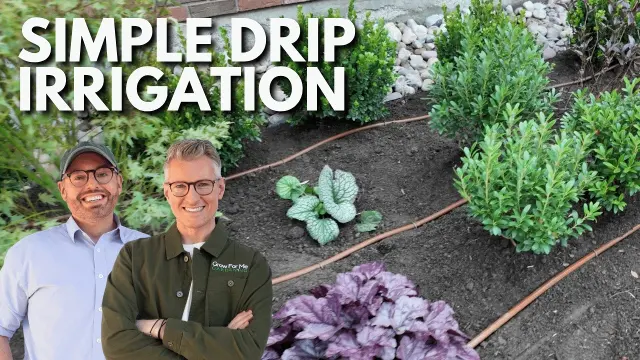
 Beginner Guide to Installing a DIY Drip Irrigation System
#Watering System
1 ideas
Beginner Guide to Installing a DIY Drip Irrigation System
Get new #Watering System ideas by email
Every Thursday: the week's best ideas, with the newest from #Watering System.
Related tags
Watering Systems for Healthy Gardens
What a watering system is
A watering system is any planned way of delivering water to plants. It can be as simple as a watering can or hose, or as organized as a set of pipes, tubes, sprinklers, or drip lines. The goal is the same: give plants the right amount of water, in the right place, without wasting it.
Watering systems are used in home gardens, containers, lawns, greenhouses, and larger planted areas. A good system helps you water more evenly, saves time, and can make plant care easier, especially when you have many pots or beds to look after.
Main types
Read more
The most familiar type is hand watering. This gives you full control and works well for small spaces, delicate plants, and mixed containers. It also helps you notice problems early, such as dry soil, wilted leaves, or pests.
Hose and sprinkler systems are common for lawns and larger open areas. They can cover wide spaces quickly, but they are less precise. Some water may land on paths, leaves, or places where it is not needed.
Drip irrigation sends water slowly to the root area through tubes or emitters. This is useful for garden beds, hedges, pots, and vegetable plots because it reduces waste and keeps the soil more evenly moist. Soaker hoses work in a similar way by letting water seep along their length into the soil.
Automatic systems use timers or controllers to water at set times. They can be very helpful when you travel or have a large garden, but they still need checking. Plants, weather, and soil conditions change, so automation should support your care, not replace it completely.
What to consider
The best watering system depends on your space, your plants, and how much time you want to spend. A small balcony may only need a watering can and a simple tray system for pots. A mixed border may do well with a combination of hand watering and drip lines. A lawn usually needs a different setup from a flower bed or herb garden.
Think about these points:
- How many plants you need to water
- Whether they are in pots, beds, or lawn areas
- How quickly the soil dries out
- Whether the space gets sun, shade, or wind
- How much control you want over each plant
Good watering habits
Whatever system you use, it helps to water deeply and less often rather than giving small amounts very frequently. This encourages roots to grow more strongly in the soil. Try to water the soil, not just the leaves, unless a plant specifically prefers otherwise. Early morning is often a practical time because less water is lost to evaporation, and leaves have time to dry during the day.
Check the soil before watering. The surface may look dry while the soil below still holds moisture. A finger test is often enough for home gardening: if the soil feels dry a short distance below the surface, it may be time to water.
For beginners
If you are new to watering systems, start simple. Learn how quickly your soil dries, then choose a method that matches your routine. A basic hose, can, or small drip setup is often enough. Keep an eye on how plants respond, because different species need different amounts of water.
It also helps to group plants with similar needs together. This makes watering easier and reduces the risk of overwatering one plant while trying to satisfy another. With a little observation, you can build a system that is practical, gentle, and well suited to your garden.
#Watering System: frequently asked questions
How do I get started with a watering system if I've never used one?
Begin by paying attention to how fast your soil dries out in the spots you actually plant, since that tells you how much help you need. Then pick the simplest method that fits your routine — a can or hose for a few pots, a small drip line if you have several beds. Watch how the plants respond for a while before adding anything more elaborate.
What do I actually need to set one up?
For most small gardens, very little: something to carry or deliver water, and a way to reach each plant without dragging a hose over everything. If you want to cover more ground, tubing with emitters or a soaker hose laid along the beds does the job. A timer is optional and only worth adding once you know how much water your plants normally take.
Which kind of watering system suits which space?
Containers, balconies and delicate or mixed plantings usually do best with hand watering, because you can adjust for each plant. Beds, hedges and vegetable plots benefit from drip lines or soaker hoses that deliver water slowly to the root zone. Lawns and large open areas are the case where sprinklers make sense, accepting that they are less precise.
What are the most common mistakes people make when watering?
The usual one is giving a little water often instead of a thorough soak less frequently, which keeps roots shallow and the soil unevenly moist. Another is watering the leaves rather than the soil, and trusting a surface that looks dry when the soil underneath is still damp. Relying completely on an automatic setup without checking it is a third — plants and weather change, so the schedule needs revisiting.
How do I keep a watering system working well over time?
Check the delivery points regularly, since emitters and tube ends clog and a blocked line quietly stops watering one section. After spells of wind, heat or heavy rain, look at the plants rather than the timer and adjust as needed. Cleaning or repositioning parts as the season shifts keeps the system useful instead of merely running.
Any ideas for making watering easier when I have a lot of different plants?
Group plants that want similar amounts of water together, so one pass suits a whole cluster instead of overwatering some to reach others. Trays under pots and a short drip run along a border both cut down the running back and forth. Keeping the thirstiest plants nearest the water source also saves effort.
Videos come from YouTube and posts from Instagram; titles and summaries are our own. All rights belong to their creators.