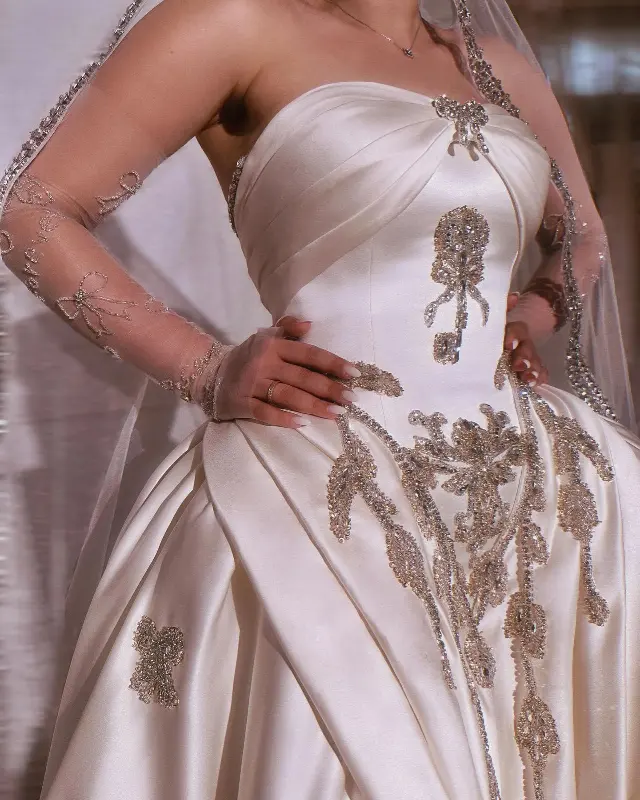
 Fairytale Nehal Khalifa Wedding Dress
#Wedding Gowns
2 ideas
Fairytale Nehal Khalifa Wedding Dress
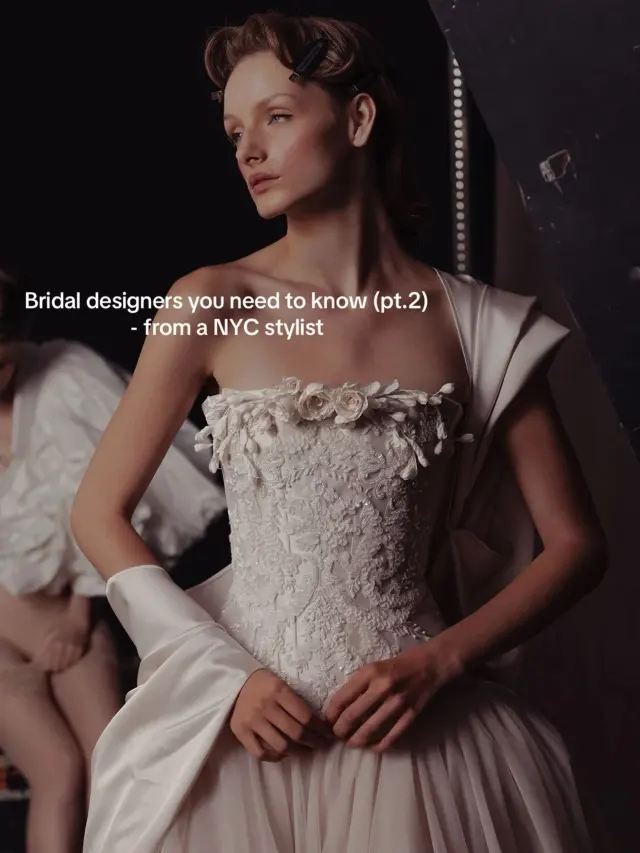 Curated Bridal Designers for Your Moodboard
Get new #Wedding Gowns ideas by email
Every Thursday: the week's best ideas, with the newest from #Wedding Gowns.
Related tags
Wedding Gowns: Styles, Fabrics and Fit
What a wedding gown is
A wedding gown is the dress worn for a wedding ceremony or celebration, and it often carries more symbolism than an everyday outfit. For many people, it is tied to tradition, personal style, and the feeling they want to create on the day. Wedding gowns come in many forms, from structured and formal to soft and minimal, so there is no single correct choice.
Common styles and silhouettes
The shape of a gown changes how it looks and how it feels to wear.
Read more
- A-line gowns are fitted at the top and gently widen from the waist, which makes them a versatile choice for many body shapes.
- Ball gowns have a fuller skirt and create a more dramatic, formal look.
- Mermaid and trumpet styles follow the body closely before flaring out lower down, emphasizing curves.
- Sheath gowns fall more straight and narrow, often giving a lighter, simpler silhouette.
- Empire waist gowns sit higher on the torso and can feel soft and flowing.
You may also see gowns with sleeves, straps, open backs, high necks, or off-the-shoulder shapes. These details can change the mood of the dress without changing the overall silhouette.
Fabrics, details and finish
The fabric has a big effect on how a gown drapes and moves. Stiffer fabrics can hold shape well, while softer fabrics often create more flow. Lace is often used for texture and detail, satin for a smoother and more polished look, and tulle for lightness and volume. Beading, embroidery, and appliqué can add decoration, but they also affect weight and comfort.
When choosing details, think about balance. A heavily decorated gown can feel formal and ornate, while a plain gown may rely more on cut and fabric for impact. Both can be equally beautiful.
What to consider before you choose
A wedding gown should suit the setting, the season, and the way you want to move through the day. If you will be walking, dancing, or spending long hours in the dress, comfort matters as much as appearance.
A few practical things to keep in mind:
- Try on different silhouettes, even ones you did not expect to like.
- Notice how the dress feels when you sit, walk, and lift your arms.
- Think about undergarments, shoes, and alterations early.
- Choose a gown that feels like you, not just one that looks impressive on a hanger.
For a timeless result
Timeless bridal style often comes from clarity rather than complexity. Clean lines, good fit, and thoughtful fabric choices usually age well in photographs and memory alike. If you love embellishment, use it in a way that feels balanced. If you prefer simplicity, let the shape and quality of the gown speak for themselves.
Above all, the best wedding gown is one that makes you feel comfortable, confident, and at ease in your own style.
Videos come from YouTube and posts from Instagram; titles and summaries are our own. All rights belong to their creators.