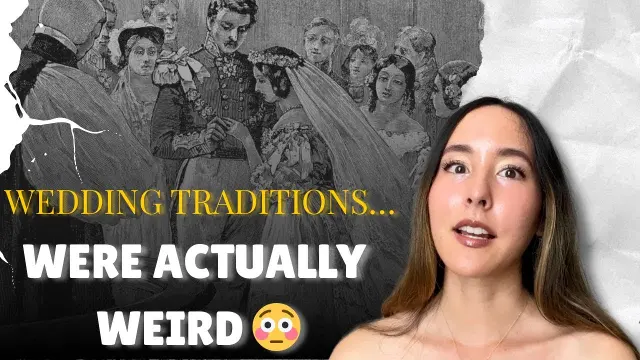
 The Surprising History and Origins Behind Common Anglo-American Weddings
#Wedding History
1 ideas
The Surprising History and Origins Behind Common Anglo-American Weddings
Get new #Wedding History ideas by email
Every Thursday: the week's best ideas, with the newest from #Wedding History.
Related tags
Wedding History and Traditions Through Time
Weddings have long been a way for two people, and often two families, to mark a marriage with ceremony, witness, and celebration. While the details vary widely across cultures, the basic idea is old: a public moment that recognises a new social and legal bond. Over time, weddings have reflected religion, family structure, social status, and local custom, so wedding history is really a history of changing ideas about partnership and community.
Where wedding traditions come from
Many familiar wedding customs began as practical or symbolic acts. Rings, for example, have often represented continuity because of their circular shape. A wedding procession can reflect the importance of publicly moving from one household or status to another. Sharing food and drink at a wedding feast has long signified hospitality, joy, and the joining of families.
Some traditions come from religious ceremonies, while others come from folk practices passed down within regions or communities. In many places, weddings have blended official rites with local customs, so the same event may include legal, spiritual, and cultural meanings at once.
Read more
Common elements across wedding history
Although weddings differ greatly, several features appear again and again:
- A formal agreement or promise between partners
- Witnesses who recognise the marriage
- Ritual gestures such as exchanging rings, vows, or gifts
- A meal or celebration after the ceremony
- Clothing that signals special status for the day
These elements help explain why weddings feel so meaningful. They are not only personal events, but also shared ceremonies that place a private commitment in a public setting.
How wedding styles have changed
Wedding history shows that there is no single “traditional” wedding. Different eras and societies have favoured different styles. Some ceremonies have been simple and intimate, while others have been elaborate and highly formal. In some cultures, weddings centre on religious ritual; in others, the legal contract or the family celebration is most important.
Dress and decoration have also changed over time. What people wear to marry often reflects available fabrics, local customs, and ideas about formality. Likewise, the size of the guest list, the role of family, and the shape of the celebration have all shifted as social life has changed.
What beginners should know
If you are curious about wedding history, it helps to look at weddings as both ritual and relationship. Ask what each custom is meant to express. Is it about unity, blessing, family approval, remembrance, or celebration? Once you start looking this way, familiar details become easier to understand.
A few practical tips can help when researching or planning with history in mind:
- Look at the traditions of a specific culture or community, not “weddings” in general
- Separate legal requirements from ceremonial customs
- Remember that old customs often changed over time, so there may be more than one “authentic” version
- Choose the elements that feel meaningful rather than copying everything from the past
Wedding history is not just about what couples did long ago. It is also about how people have used ceremony to express love, belonging, and continuity across generations.
Videos come from YouTube and posts from Instagram; titles and summaries are our own. All rights belong to their creators.