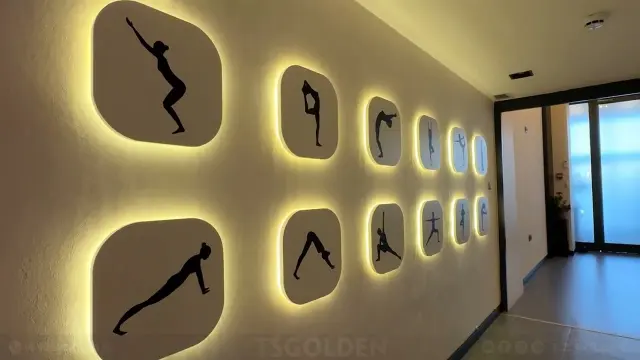
 Inside a Modern Pilates Studio Interior in Başakşehir
#Wellness Space
1 ideas
Inside a Modern Pilates Studio Interior in Başakşehir
Get new #Wellness Space ideas by email
Every Thursday: the week's best ideas, with the newest from #Wellness Space.
Related tags
Wellness Space: Designing Rooms That Help You Rest
A wellness space is a room, or a corner of a room, set aside for the things that keep you well: stretching, breathing, quiet sitting, a warm bath, a slow morning. It is less about a particular style than about intention. The same square metres that hold a sofa and a television can be arranged to hold something quieter, and the difference is mostly made by light, materials and what you choose to leave out.
The idea borrows from two traditions that rarely meet. One is the spa and the bathhouse, where water, warmth and dim light have been used for centuries to mark a separation from ordinary time. The other is the practice room — the studio, dojo or spare bedroom where yoga, pilates or meditation happens on a schedule rather than on a whim. A home wellness space usually mixes the two: somewhere to move, somewhere to be still, and often somewhere to wash and warm up afterwards.
Light and air
Daylight does most of the work. A space that receives morning light feels different from one that never does, and if you have the choice, put your mat or chair where the sun reaches it. Where daylight is scarce, layered artificial light helps: a soft general light plus a warmer, lower lamp for evening. Avoid a single bright ceiling fixture as the only source. Fresh air matters as much as light, so open a window for a few minutes before and after you use the room, and keep the surfaces easy to dust.
Read more
Materials and colour
Choose finishes that feel good against skin, since this is a room you will mostly use barefoot and close to the floor. Wood, cork, cotton, linen, wool, stone and clay all age gracefully and are forgiving underfoot. Colours tend to work best when there are few of them: a quiet neutral base with one deeper tone for contrast. Texture carries more interest than pattern here, and fewer objects on view makes the room easier to settle into.
Layout and storage
Leave a clear floor. The single most useful thing a wellness space can offer is empty, unobstructed ground, so keep furniture to the edges and choose pieces you can move with one hand. Store props — mats, blocks, blankets, weights — out of sight in a basket, a bench or a shallow cupboard, so the room reads as open when you are not using it. A small stool or chair is worth keeping nearby for seated stretches and for putting shoes on.
Sound and scent
Hard surfaces echo, which is stimulating rather than restful. Rugs, curtains, cushions and bookshelves soften a room considerably. If you want scent, keep it faint and natural, and prefer ventilation over masking a stuffy room. Avoid anything strongly perfumed in a space where you will be breathing deeply.
Getting started
Begin with what you already have: clear a corner, wash the floor, open the window and put down a mat. Add one thing you enjoy looking at, and remove one thing that reminds you of work. Use the space at the same time each day, even briefly — a room becomes restorative through repetition, not through decoration.
#Wellness Space: frequently asked questions
How do I start a wellness space at home?
Start with what you already have rather than buying a setup: clear a corner, wash the floor, open a window and lay down a mat. Then let the space grow slowly, adding something you like looking at and taking away something that reminds you of work. Using it at roughly the same time each day matters more than decorating it, because a room becomes restful through habit.
Do I need a whole room, or is a corner enough?
A corner is enough, and many people find it easier to keep up. What a wellness space really needs is a patch of empty, unobstructed floor, which is why furniture should sit at the edges and be light enough to shift aside with one hand. A small stool nearby is useful for seated stretches and for pulling shoes on.
How should I light a wellness space that gets little daylight?
Daylight does most of the work, so if you can, place your mat or chair where the sun actually reaches it in the morning. Where light is scarce, layer artificial sources instead of relying on a bright ceiling fixture alone, pairing a soft general glow with a warmer, lower lamp for the evening. Air the room briefly before and after you use it, and keep surfaces easy to dust.
Which materials and colours work best in a wellness space?
Because you will mostly be barefoot and close to the floor, choose finishes that feel good against skin, such as wood, cork, cotton, linen, wool, stone or clay. Stick to a quiet neutral base with a deeper tone for contrast, and let texture carry the interest rather than pattern. Fewer objects on view generally makes the room easier to settle into.
How do I keep a wellness space feeling calm and cared for?
Soft furnishings do most of the work: rugs, curtains, cushions and bookshelves absorb the echo that hard surfaces create. Keep scent faint and natural, and ventilate rather than masking a stuffy room, especially since you will be breathing deeply there. Props and equipment are easiest to live with when they are tucked into a basket, bench or shallow cupboard so the room reads as open between uses.
What mistakes should I avoid when setting one up?
The most common slip is filling the room with furniture and objects, which leaves no clear ground to move or sit on. Another is treating it as a decorating project rather than a practice, so the space gets finished and then never used. Keep it simple, use it briefly but regularly, and let the room stay a little emptier than feels natural at first.
Videos come from YouTube and posts from Instagram; titles and summaries are our own. All rights belong to their creators.