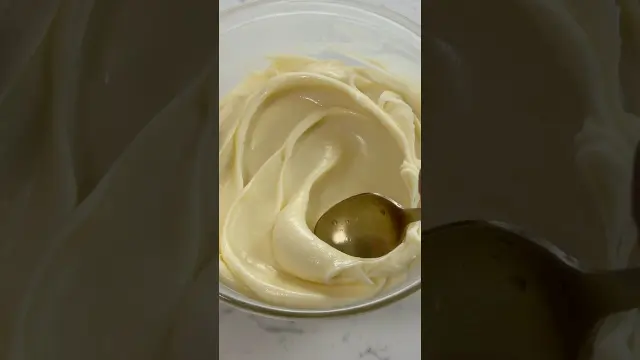
 Silky Smooth White Chocolate Ganache Frosting
#White Chocolate
3 ideas
Silky Smooth White Chocolate Ganache Frosting
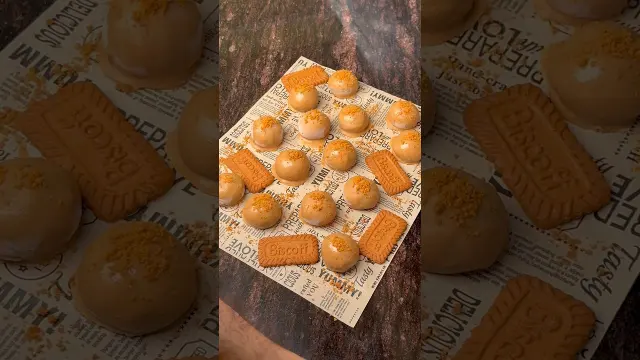 Biscoff Chocolate Truffles with Crisp Shell and Fudgy Center
 Decadent Lotus Biscoff White Chocolate Truffles
Get new #White Chocolate ideas by email
Every Thursday: the week's best ideas, with the newest from #White Chocolate.
Related tags
White Chocolate Guide
What white chocolate is
White chocolate is a sweet confection made from cocoa butter, sugar, and milk solids, with vanilla often added for flavor. Unlike dark or milk chocolate, it does not contain cocoa solids, which are the parts that give chocolate its brown color and stronger cocoa taste. That is why white chocolate has a pale ivory color and a milder, creamier flavor.
It is used in baking, dessert making, and candy making because it melts smoothly and pairs well with ingredients like berries, citrus, nuts, biscuits, and caramel. Its gentle flavor also makes it a useful base for ganache, frostings, truffles, mousses, and dipped treats.
Where it comes from and how it is used
Read more
White chocolate developed from the same cocoa bean tradition as other chocolate products, but it uses only the fat portion of the bean, known as cocoa butter. This gives it a rich texture without the deep cocoa flavor. In the kitchen, it is valued for its sweetness and its ability to add a creamy finish to desserts.
You can use white chocolate in many ways:
- melted into sauces, ganache, and fillings
- folded into cookie or brownie batter
- poured over cakes as a glaze
- mixed with cream for frosting or mousse
- used as coating for truffles, fruit, or biscuits
Because it is sweeter than darker chocolate, it is often balanced with tart or salty ingredients. That contrast helps keep desserts from tasting too heavy.
Common styles and forms
White chocolate comes in several forms, and each works a little differently:
- bars or blocks for chopping and melting
- chips or buttons for easy measuring
- baking pieces for mixing into doughs and batters
- couverture-style chocolate for smoother melting and coating
For baking, look for a product that melts evenly and tastes creamy rather than overly waxy. Quality varies, so it helps to choose one that lists cocoa butter among the first ingredients.
Tips for working with white chocolate
White chocolate is more delicate than darker chocolate, so gentle handling matters. It can scorch or seize if overheated. Melt it slowly over low heat or in short bursts, stirring often. If using a bowl over simmering water, make sure no steam or water gets into the chocolate.
A few practical tips:
- chop it finely so it melts evenly
- keep utensils and bowls completely dry
- add warm cream gradually when making ganache
- pair it with sharper flavors like raspberry, lemon, passion fruit, or yogurt
- add a pinch of salt if you want a fuller taste
If you are making frosting or filling, let melted white chocolate cool slightly before mixing it with other ingredients. This helps prevent curdling or grainy texture.
For beginners
If you are new to white chocolate, start with simple recipes. Try melting it for drizzling, folding it into cookie dough, or making a basic ganache. These are good ways to learn how it behaves before moving on to more delicate work like molded candies or layered desserts.
White chocolate rewards patience. Work slowly, keep temperatures moderate, and taste as you go. With a light hand, it can add softness, sweetness, and a polished finish to many kinds of desserts.
Videos come from YouTube and posts from Instagram; titles and summaries are our own. All rights belong to their creators.