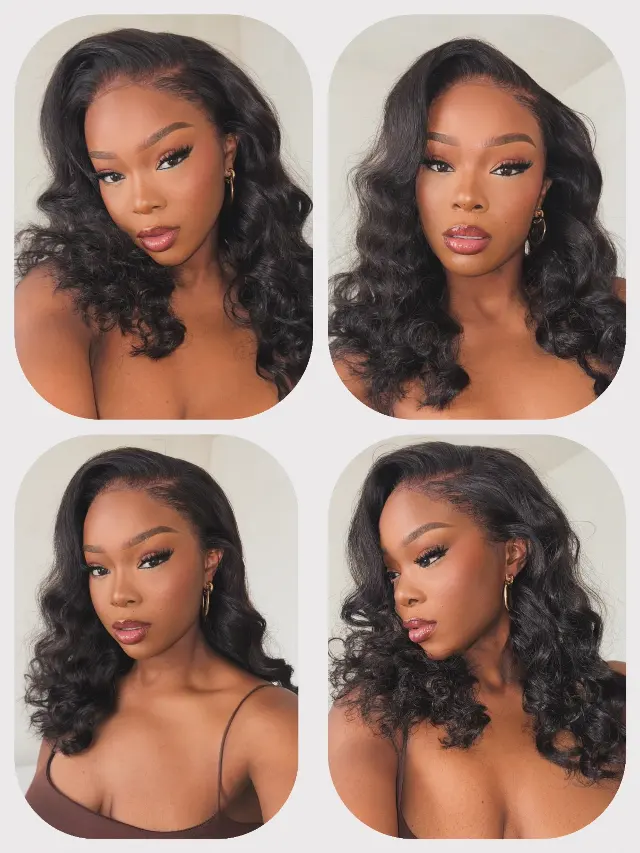
 One wig styled seven ways, from glam waves to sleek buns
#Wig Styling
1 ideas
One wig styled seven ways, from glam waves to sleek buns
Get new #Wig Styling ideas by email
Every Thursday: the week's best ideas, with the newest from #Wig Styling.
Related tags
Wig Styling: A Beginner's Guide to Wigs
A wig is a complete head of hair — human, synthetic or a blend — worn over your own hair or a cap. People wear them for many reasons: to experiment with length and colour without commitment, to protect natural hair, to cover thinning, or simply because getting ready in the morning is easier when the hair is already done. Wigs are old things; versions appear in ancient Egypt, in seventeenth- and eighteenth-century European fashion, and in theatrical traditions everywhere. What has changed is access: better fibres, better cap construction and a wide range of price points.
The two materials
Human hair wigs move and feel most like natural hair and can be coloured and heat-styled, but they need more care and cost more. Synthetic wigs hold a style set at the factory — curls stay curls — and are usually cheaper, but most cannot take high heat. Heat-friendly synthetic sits between the two: it tolerates low-heat tools, though you should always test on a hidden strand first. Whichever you choose, the fibre tells you what it can survive; read it before you reach for straighteners.
Cap construction, in plain terms
Read more
A basic cap is a closed webbing base with hair sewn on. A lace front adds sheer lace along the hairline so you can part the hair further forward and the edge looks more natural; it needs careful trimming and a little adhesive or tape. Monofilament caps have a fine mesh top, which lets hair part in several directions. U-part and half wigs leave the front of your own hair showing, which makes blending easier for beginners. A full lace cap is the most versatile and the most delicate.
Getting the fit right
Measure the circumference of your head before buying, and check the cap size rather than guessing. Most caps have adjustable straps at the back — tighten them until the wig sits firmly but not painfully. If the cap feels loose, small clips sewn inside or a wig grip band will stop it sliding. A wig should not need constant tugging; if it does, the size is wrong.
Everyday styling
Treat a wig like hair, but more gently. Detangle from the ends upward with a wide-tooth comb. Wash infrequently, in cool water with a mild shampoo, and let it air dry on a stand rather than rubbing it with a towel. Store it on a wig head or in a satin bag to keep its shape. For waves, use large rollers or a low setting on your tool, always with heat protection. Buns, braids and half-up styles can be built with sectioning clips and a few pins, and they spread the tension so nothing pulls.
A few practical notes
Blend the hairline by taking a little of your own hair forward, or by softening the lace edge with a tinted powder that matches your scalp. Avoid sleeping in a styled wig. Keep heat tools moving and use the lowest setting that works. Wash your own scalp and hair regularly underneath — a wig should never mean neglecting what is below it.
#Wig Styling: frequently asked questions
How do I start styling a wig if I've never done one before?
Begin with the fibre, because it sets the limits: synthetic hair usually holds its factory style and resists heat, while human hair behaves much like your own and can be reshaped. Practise on a wig stand rather than on your head, working in small sections and detangling from the ends upward. A half wig or U-part, which leaves your own front hair showing, is a forgiving first choice because the blend hides small mistakes.
What do I actually need to keep on hand for wig styling?
A wide-tooth comb, sectioning clips, pins, a wig stand or head for drying and storage, and a low-heat tool with heat protection spray will cover most everyday looks. If the cap shifts, a wig grip band or clips sewn inside solve it without constant tugging. A tinted powder matched to your scalp is the quiet workhorse for softening a lace edge.
Human hair or synthetic — which should I choose?
Human hair feels and moves most naturally and can be coloured and heat-styled, but it asks for more care and patience. Synthetic keeps the curl pattern it was made with and is simple to live with, though most versions cannot take high heat. Heat-friendly synthetic sits between them, tolerating low settings, but test any tool on a hidden strand before committing.
How should I wash and store a wig so it lasts?
Wash it rarely, in cool water with a mild shampoo, and let it air dry on a stand instead of rubbing it with a towel. Store it on a wig head or in a satin bag so the shape survives, and never sleep in a styled wig. Your own scalp and hair still need regular washing underneath — the wig should not mean neglecting what is below it.
What mistakes do people make most often when styling wigs?
Reaching for high heat on a fibre that cannot take it, and holding a tool in one spot too long, are the quickest ways to ruin a style. Another is fighting a cap that does not fit — constant tugging means the size is wrong, not that the styling is. Building buns and braids with sectioning clips spreads the tension so nothing pulls.
How can I style one wig differently for an occasion versus everyday?
The same wig carries from a sleek pulled-back bun to soft glam waves simply by changing the set — large rollers or a low-heat tool for movement, smoothing for a cleaner line. Half-up styles and braids, built with clips and a few pins, give an occasion look without restyling the whole piece. Keep the heat low and the tools moving, and the wig will take the change again next time.
Videos come from YouTube and posts from Instagram; titles and summaries are our own. All rights belong to their creators.