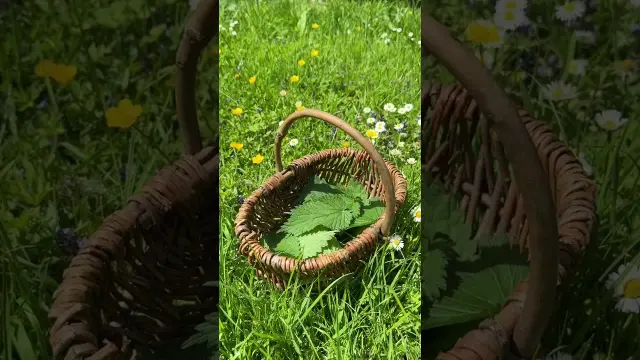
 Foraging and Cooking Crispy Stinging Nettle Leaves
#Wild Foods
1 ideas
Foraging and Cooking Crispy Stinging Nettle Leaves
Get new #Wild Foods ideas by email
Every Thursday: the week's best ideas, with the newest from #Wild Foods.
Related tags
A Beginner's Guide to Wild Foods and Foraging
Wild foods are the edible parts of plants, fungi and seaweeds that grow without being cultivated — picked from hedgerows, woodlands, meadows, coastlines and even city pavements. The idea is simple: instead of buying everything, you learn to recognise what the landscape already offers. In practice it asks for patience, sharp eyes and a good deal of humility, because the same ground that holds a delicious green can hold a dangerous one.
An old habit, still useful
Gathering from the wild is older than agriculture. Most cultures carry some memory of it: bitter spring greens in Europe, mushroom picking in Slavic and Nordic countries, seaweed harvesting along Atlantic and East Asian coasts, berry picking in northern forests. What survives today as a hobby or a family ritual was once ordinary survival knowledge, passed down by hand and by story rather than written in books.
The main kinds
Read more
- Leafy greens: nettles, dandelion, sorrel, chickweed, wild garlic, watercress.
- Berries and fruit: blackberries, elderberries, rosehips, sloes, crab apples, wild plums.
- Mushrooms: from ceps and chanterelles to puffballs — the group that demands the most care.
- Nuts and seeds: hazelnuts, beech mast, acorns (which need processing before eating).
- Roots and shoots: burdock, wild carrot, hop shoots, young bamboo.
- Seaweed: kelp, dulse, sea lettuce, samphire from the salt marsh.
- Aromatic herbs: wild thyme, marjoram, juniper, yarrow.
Learning to identify
Identification is the whole skill, and it is not learned quickly. Work with a few species at a time, using a good regional field guide and, ideally, an experienced forager. Learn the whole plant, not just the leaf — stem, flower, root, smell, texture — and learn the poisonous lookalikes that share its habitat. Mushrooms in particular should never be eaten on the strength of a photograph or an app.
Beginners should follow one firm rule: if there is any doubt at all, leave it. There is no dish worth a bad night, and no shame in going home with an empty basket.
Harvesting with care
Take only what you need and only where a plant is abundant. Leave the roots of perennials, take a leaf or a flower from each plant rather than stripping one, and leave the first and last of any patch. Avoid busy roadsides, sprayed ground, and places where land access is restricted or where picking is not permitted. Wash everything well before it reaches the kitchen.
In the kitchen
Wild flavours tend to be stronger than cultivated ones, so start sparingly. Nettles are best blanched and used like spinach; bitter greens soften in butter or oil; berries suit jams and cordials; seaweed is usually dried and used as a seasoning. Many wild foods preserve beautifully by drying, freezing or fermenting, which lets you carry a taste of one part of the year into another.
Getting started
Pick one plant you can already recognise with certainty, prepare it simply, and go from there. Walk the same path through the year and watch how it changes. The pleasure of wild food lies less in the harvest than in learning to see what was always there.
#Wild Foods: frequently asked questions
How do I start foraging wild foods if I've never done it before?
Begin with a single species you can identify with total certainty, such as nettles or blackberries, and prepare it in a simple way so you learn its taste. Walk the same route through the seasons and watch how that plant changes, rather than trying to learn everything at once. Over time your eye sharpens and you can add one new species at a time.
What do I actually need to take with me?
A regional field guide, a basket or cloth bag that lets picked leaves breathe, and something to cut with are the basics. Gloves help with prickly or stinging plants, and a notebook is worth carrying so you can record where and when you found something. Good footwear and a charged phone for directions matter more than fancy equipment.
Which kinds of wild food are easiest to learn first?
Leafy greens and berries tend to be the friendliest starting point, since nettle, wild garlic, blackberry and elderberry are distinctive and widely recognised. Mushrooms are the group that demands the most care and are best left until you have real experience or someone to learn from. Seaweed and aromatic herbs sit somewhere in between and reward careful observation.
How should I handle and prepare what I pick?
Wash everything thoroughly once you are home, and eat or preserve it while it is still fresh. Wild flavours are usually stronger than cultivated ones, so use them sparingly at first and taste as you go. Many leaves benefit from blanching, berries suit jams and cordials, and seaweed is often dried and used as a seasoning.
What are the most common mistakes beginners make?
The biggest one is eating something on the strength of a photograph or an app instead of a proper field guide and, ideally, an experienced forager. Another is stripping a patch bare rather than taking a leaf or flower from each plant and leaving the roots and the first and last of the patch. Picking beside busy roads or on sprayed or restricted ground is also easy to overlook.
Can I forage in towns and cities?
You can, and wild plants turn up in surprising places, but urban ground carries more risk from traffic fumes, spraying and unclear land access. Favour quiet corners away from roads and always check that picking is actually permitted where you are. If the ground looks dubious, it is better to walk on and find somewhere cleaner.
Videos come from YouTube and posts from Instagram; titles and summaries are our own. All rights belong to their creators.